MINNEAPOLIS (AP) — The conclusion of the Trump administration's drawdown of its immigration enforcement surge in the Twin Cities has brought a mix of relief and apprehension. Local officials and community members express concerns regarding the long-term implications for Minnesota’s economy and its immigrant communities.
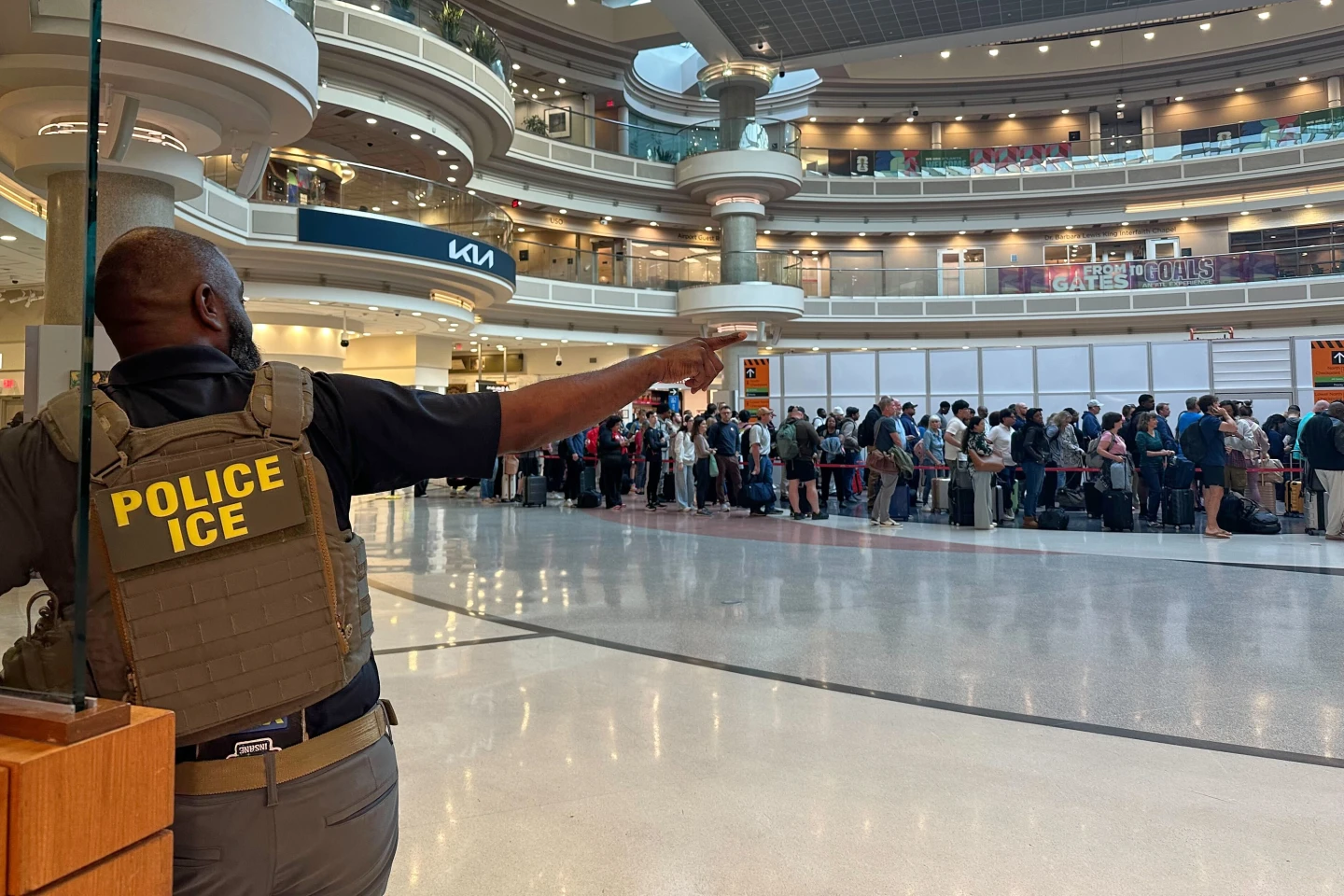
Operation Metro Surge, labeled as the Department of Homeland Security's “largest immigration enforcement operation ever,” involved thousands of federal officers dispatched to the Minneapolis and St. Paul areas. While the operation was touted as a success by the Trump administration, increasing criticisms emerged in response to a volatile environment.
Tragic events, including the recent shooting deaths of citizens Renee Good and Alex Pretti by federal officers, incited outrage and raised critical questions regarding the conduct of those involved, prompting changes to the operation.
Despite the declared end to the surge, Minnesota Governor Tim Walz urged residents to remain vigilant.
Coordination Efforts Leading to Drawdown
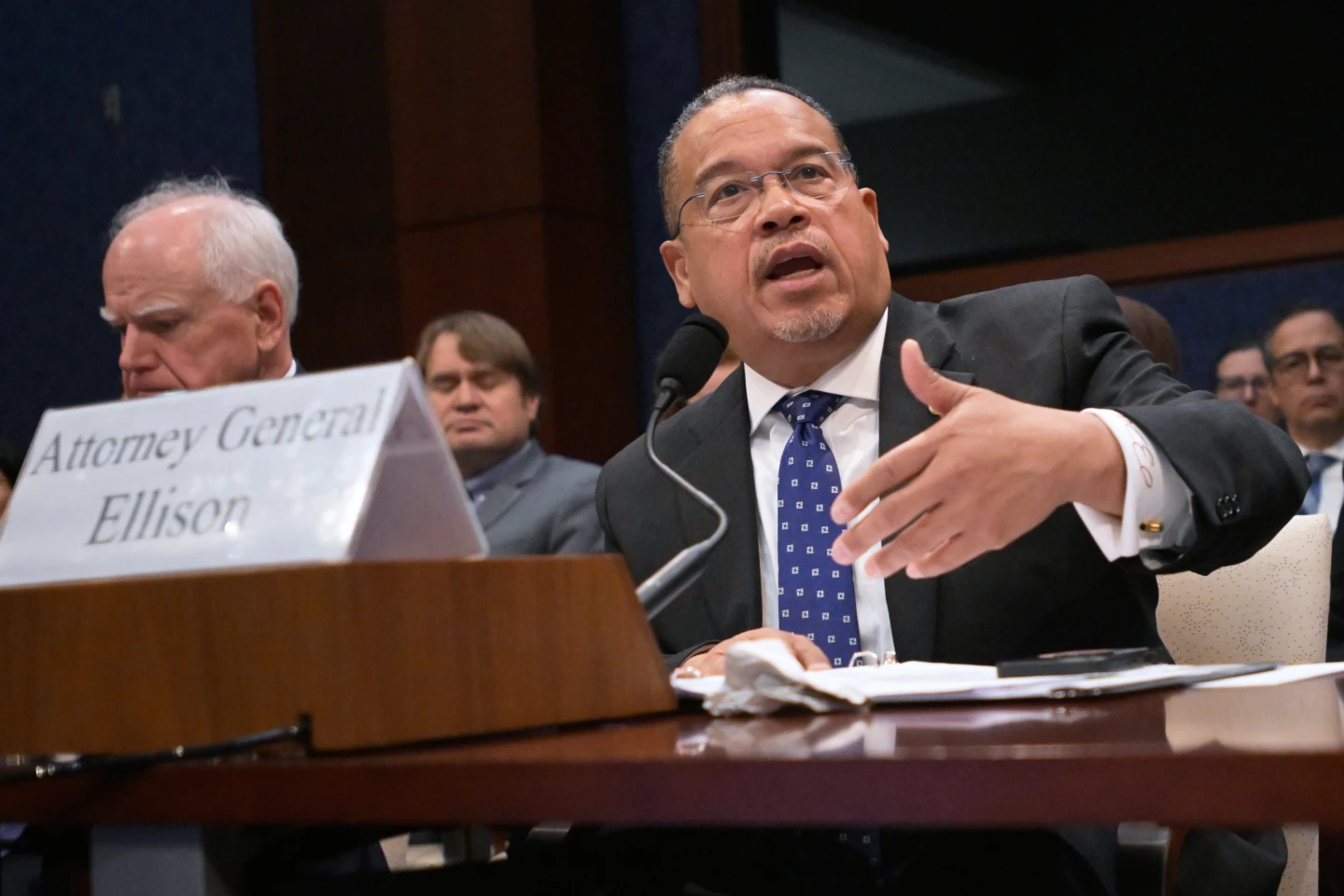
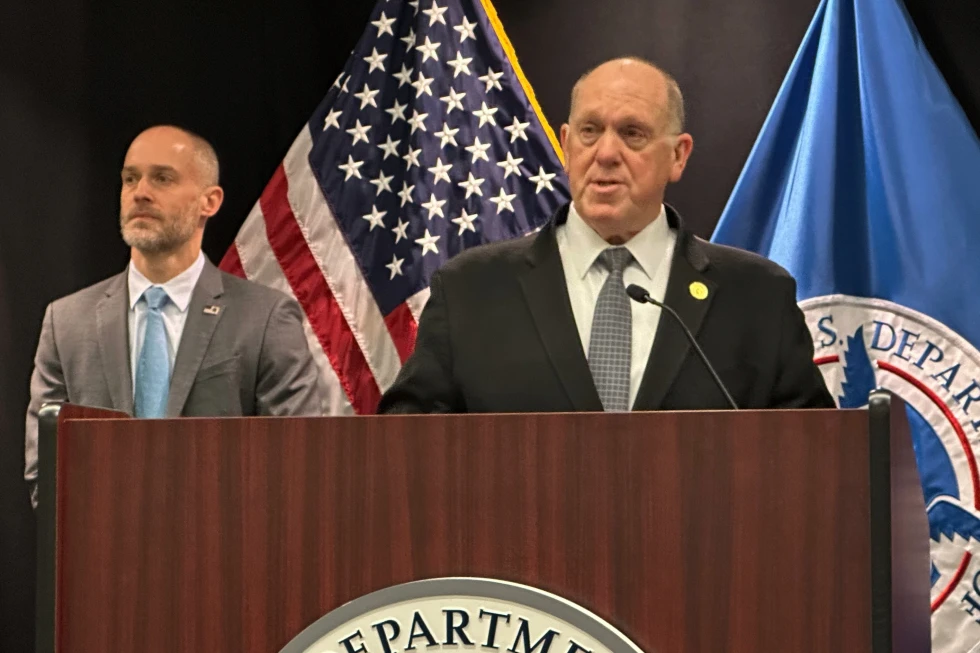
Border czar Tom Homan revealed that collaboration with state and local officials paved the way for the formal conclusion of the operation. Homan emphasized the significance of cooperation among local law enforcement in managing deportable individuals.
While the drawdown is underway, Homan noted that a substantial contingent of over 2,000 federal officers would remain in Minnesota, continuing targeted enforcement in the region.
Community Reflections on the Operation's Impact
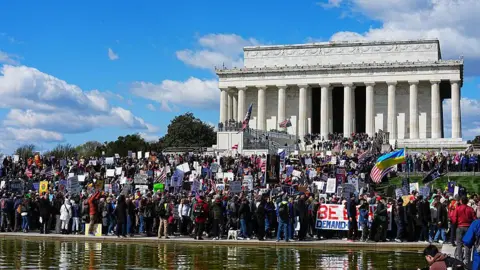
In the aftermath, residents have held vigils, and many have expressed skepticism. Attendees voiced feelings of distrust towards the government, questioning whether real change would come or if fear-mongering practices would persist.
Juan Uvera, a visitor from New York, noted the visible impact of enforcement on local businesses, many of which had closed or prominently displayed signs against ICE presence. Another resident, Anna Van Sice, highlighted the community's lack of trust in government assurances, indicating that vigilance would remain necessary.
As the dust settles, the lasting effects of the immigration enforcement surge continue to shape sentiments within Minnesota, reminding community members of the complex and often painful intersections between policy and daily life.