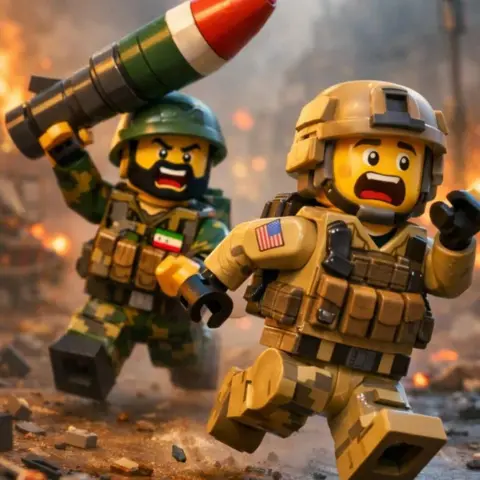
The last nuclear weapons control treaty between the US and Russia is due to expire on Thursday, raising fears of a new arms race.
The Strategic Arms Reduction Treaty, known as New START and signed in 2010, was a pivotal agreement designed to help prevent catastrophic nuclear war.
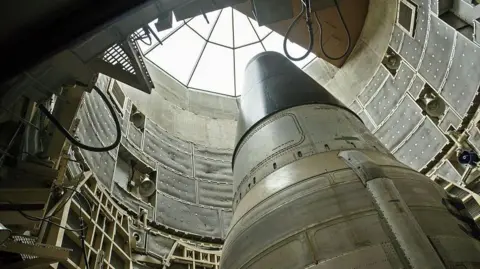
This treaty capped the number of deployed strategic nuclear warheads for each party to 1,550. It also established significant transparency measures, including data transfer, notifications, and on-site inspections.
The treaty's expiration signifies the end of arms control cooperation between Washington and Moscow that played a crucial role in terminating the Cold War.
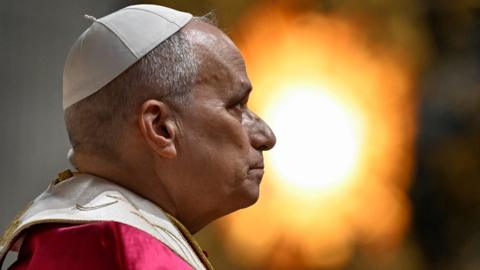
On Wednesday, Pope Leo urged the US and Russia to renew the treaty, highlighting the need to avert a new arms race amid today's precarious global landscape.
Historically, the original START treaty signed in 1991 banned the deployment of more than 6,000 nuclear warheads by each signatory. The subsequent New START treaty followed in 2010 and has been largely respected until now.
Despite a technical suspension that began three years ago, both nations were believed to continue adhering to the treaty’s provisions.
The expiration of New START is part of a concerning trend where numerous long-standing arms control agreements have ceased to exist, including the Intermediate-Range Nuclear Forces Agreement and the Open Skies Treaty.
Former British military leader Admiral Sir Tony Radakin has warned that the frameworks that contributed to global stability are now at risk of disintegration. The collapse of these treaties presents one of the most pressing dangers to global security, along with the increasing emphasis on nuclear arms.
In a somber statement, Dmitry Medvedev, the former Russian president who signed New START, expressed that the expiration should alarm everyone, particularly against a backdrop of bellicose nuclear rhetoric.
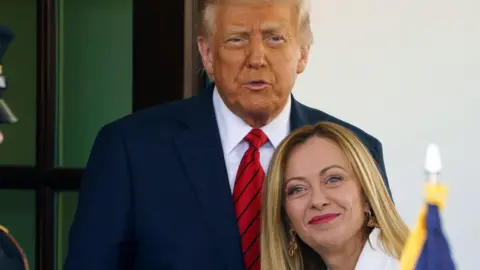
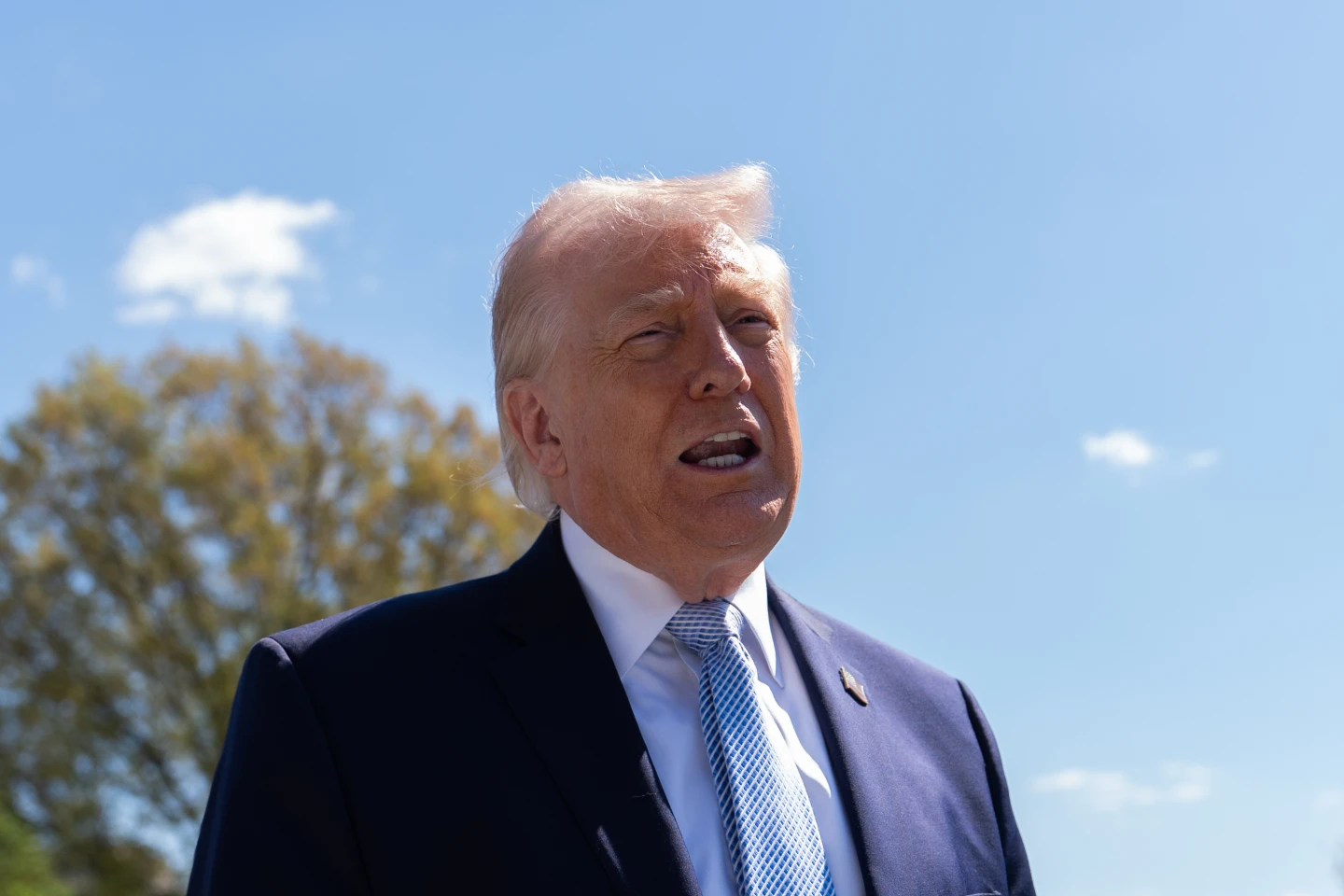
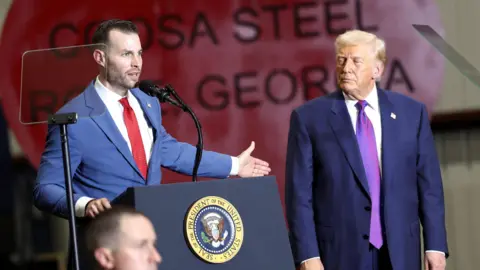
In contrast, US President Donald Trump appeared less concerned, suggesting that if the treaty expired, a better agreement could be reached later.
Presently, Washington insists that any future arms control agreement must include China, which has been expanding its nuclear capabilities, while Russia argues for the inclusion of European nuclear powers, France and the UK.
Experts warn that as both the US and Russia advance their strategic military capabilities, the likelihood of entering into a new arms control agreement diminishes. This arms race could impede efforts to achieve a sustainable diplomatic resolution to global military tensions.
As nations bolster their arsenals, including hypersonic and other advanced weaponry, the urgency for renewed arms control agreements has never been more apparent, marking a volatile new chapter in international security.