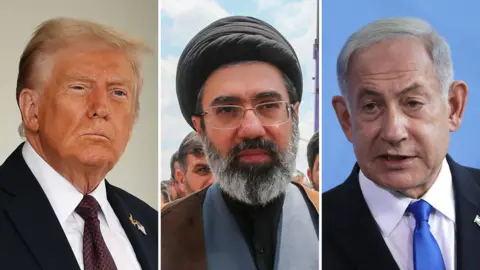
Amid the din of global speculation over US military build-up in the Middle East, Israel's leaders have remained unusually silent. Aside from some remarks in support of Iran's anti-government protests this month, Israel's prime minister has had little to say publicly about his superpower ally taking on his biggest enemy. His government has remained equally silent. It shows you the importance Netanyahu puts on this moment, said Danny Citrinowicz, a senior Iran researcher at Israel's Institute for National Security Studies.
For Netanyahu, being in this position where the US has so many forces in the Gulf, being so close to Trump attacking Iran, this is - for him - a golden moment in time that he cannot forgo. Asaf Cohen, a former deputy director of Israel's signals intelligence unit, says there's strategy in Israel's silence too. The [Israeli] leadership believes we should allow the Americans to lead the way this time, because they are stronger, have more capabilities, and have much more legitimacy in the world.
Benjamin Netanyahu has long seen Iran as the key threat facing Israel and the biggest source of instability in the Middle East. His public silence does not signal a lack of private discussion with his key US ally. This week, Israel's military intelligence chief, Shlomi Binder, met US intelligence agencies in Washington. The discussion reportedly focused on possible targets in Iran.
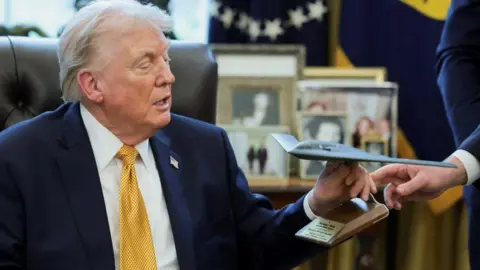
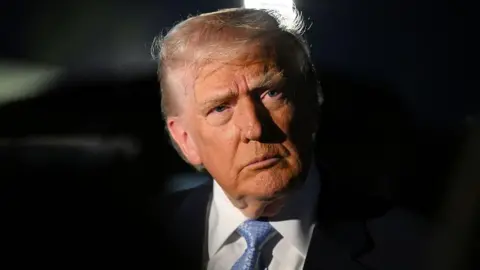
Citrinowicz believes Netanyahu is privately pushing the US towards maximalist strikes aimed at regime change in Iran. When Netanyahu allegedly urged Trump to hold back earlier this month, it was because he viewed the planned US attack as too small. Meanwhile, US president Donald Trump is considering a range of actions against Iran, all while warning of serious risks tied to unseating Iranian leadership.
The reverberations from military actions would not only affect Iran but also the delicate balance of power in the entire region. With Iranian officials warning of a potent response to an attack, and Israel still grappling with past conflicts, the potential fallout of these strategic decisions looms large. As the tension mounts, Israeli citizens remain skeptical yet hopeful, longing for a resolution that would secure their safety for the long term.