Fears are growing in opposition circles in Zimbabwe that the ruling Zanu-PF party is making a new grab for power as it presses ahead with constitutional amendments aimed at giving parliament - rather than voters - the right to elect the president and to extend his term from five to seven years.
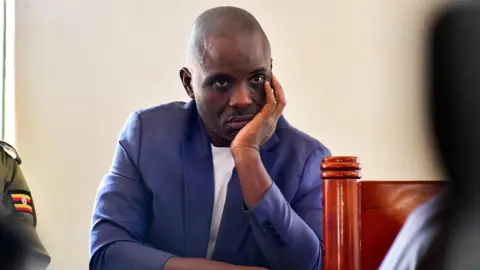
This is a coup, a slow coup that is unfolding in Zimbabwe, veteran opposition politician and former finance minister Tendai Biti told the BBC.
But Zanu-PF - in power since independence in 1980 - has vehemently defended the proposed changes. There's nothing that stops us to change, to go to another system that's less costly, less controversial, party spokesman Patrick Chinamasa said.
The conflicting views highlight the deep polarisation that draft legislation - aimed at changing the constitution - has caused, pitting Zanu-PF and opposition supporters against each other.
This became clear during public hearings that parliament held recently to give people a chance to express their views on the proposed shake-up that will lead to:
- Presidential elections - held since 1990 - being scrapped
- Parliamentary and presidential terms being extended from five to seven years
- Parliamentary elections scheduled for 2028 being delayed to 2030
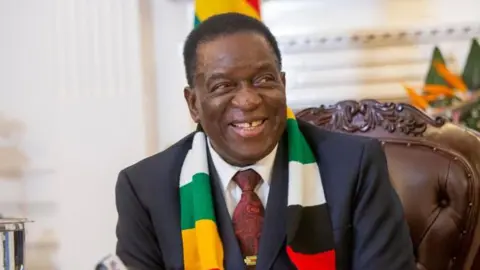
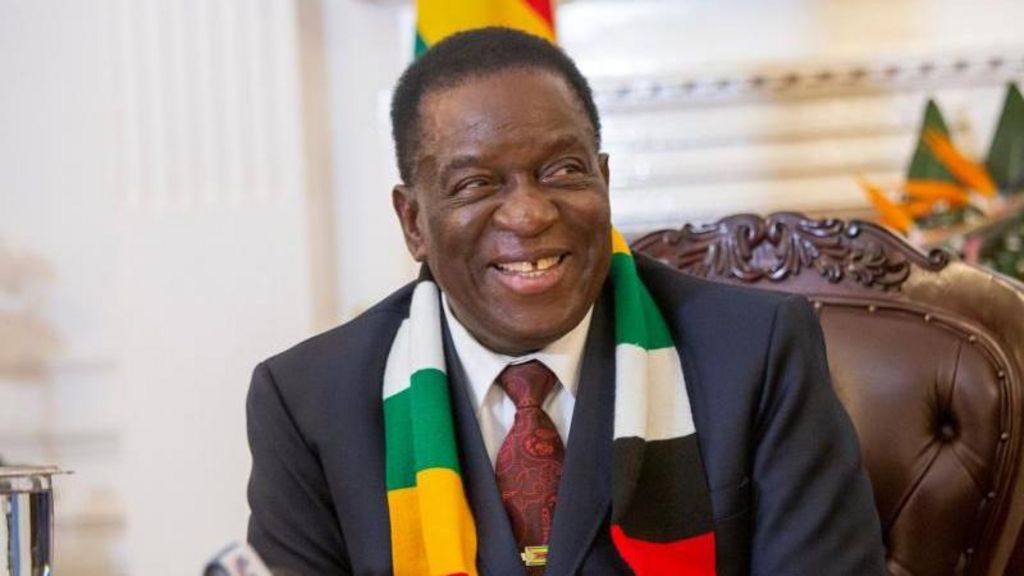
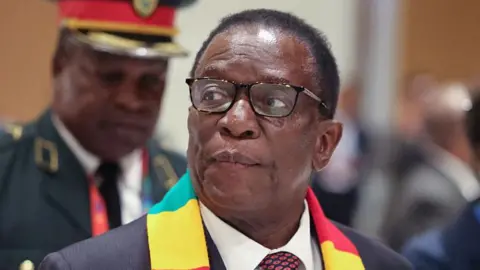
- President Emmerson Mnangagwa, whose second and final term is due to end in 2028, remaining in office until 2030
- The new parliament electing the next president.
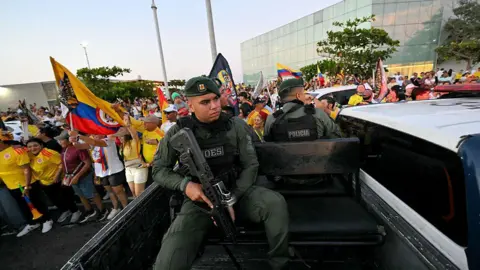
I support the bill in its entirety, a woman said at a public hearing in a sports arena in the capital, Harare, last week. Thousands filled the venue, with speaker after speaker taking the microphone to echo calls for Mnangagwa to remain in office beyond 2028.
Mnangagwa took power in 2017 after ousting long-time ruler Robert Mugabe with the backing of the military - and went on to win disputed elections in 2018 and 2023.
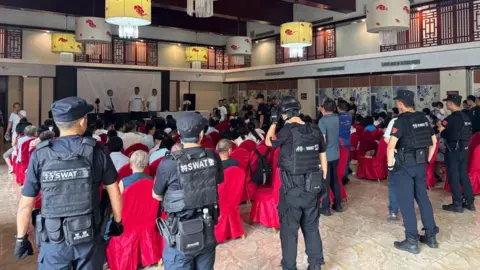
However, the opposition contends that this anti-democratic move is exacerbated by an atmosphere of repression, demonstrated by police cracking down on opposition meetings prior to the public hearings. Biti stated, We have a history of repression in Zimbabwe. He expresses concern that the proposed changes reverse the constitutional safeguards intended to prevent an imperial presidency.
Mnangagwa's supporters assert that these changes will bypass violent and costly presidential campaigns, ensuring political stability. The proposed bill is expected to pass in parliament soon, further consolidating the ruling party's grip on power.
For the opposition, however, the changes indicate a troubling shift towards autocracy, reminiscent of the authoritarianism experienced during Mugabe's era.