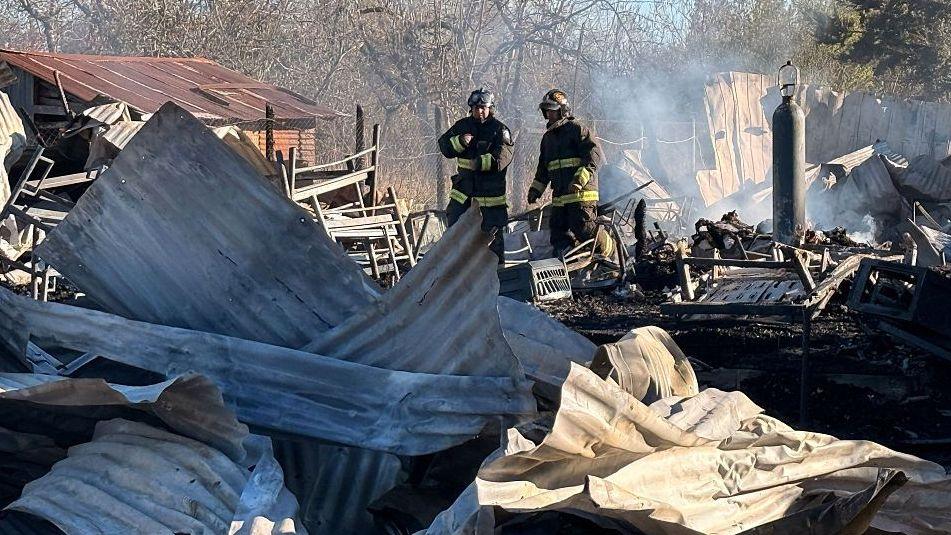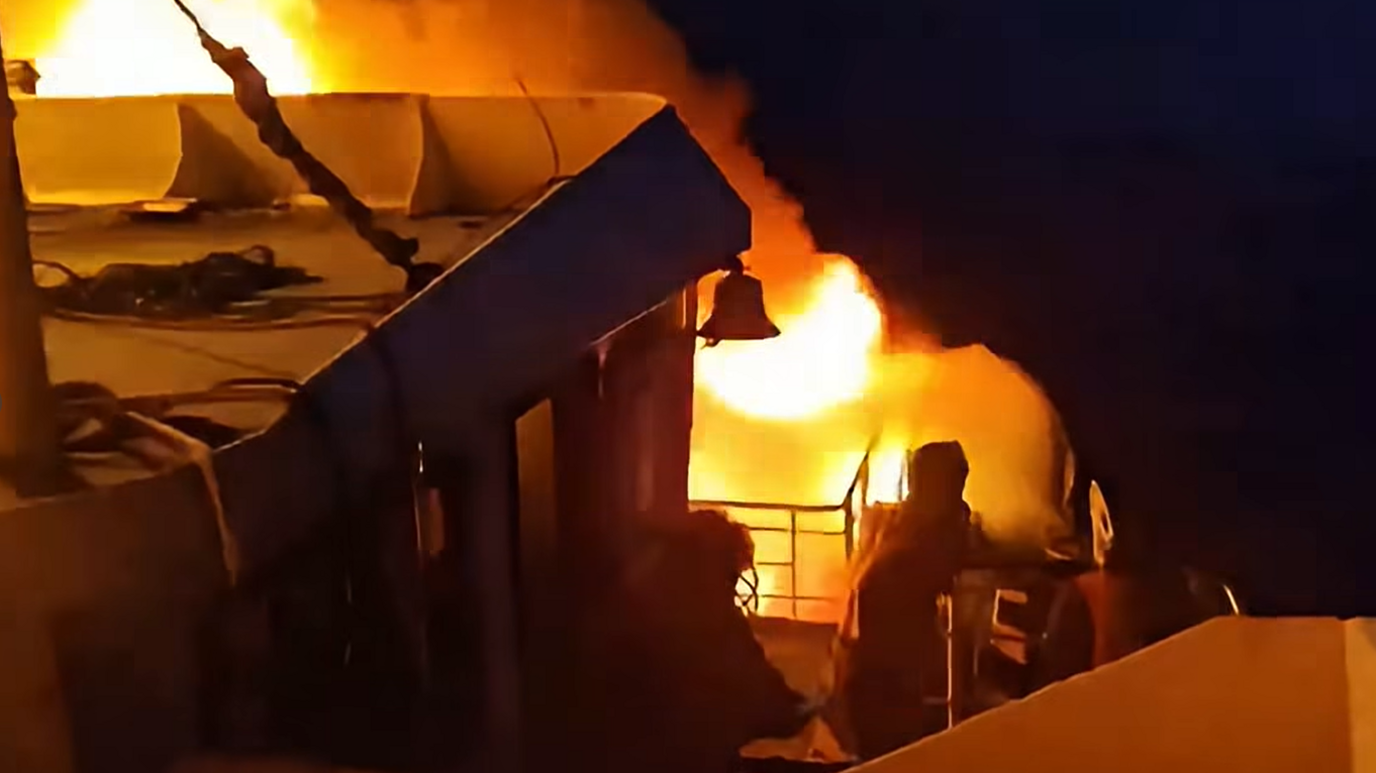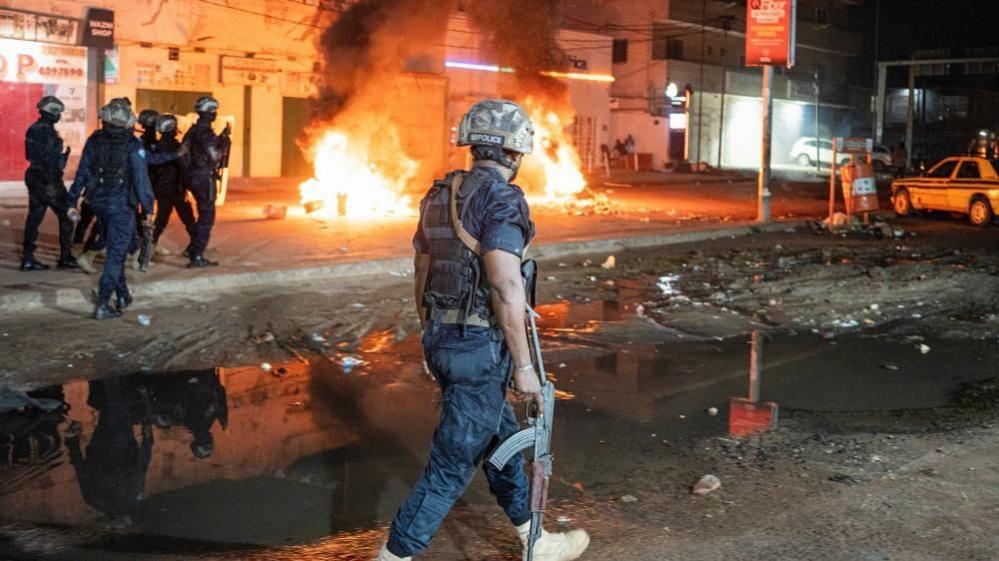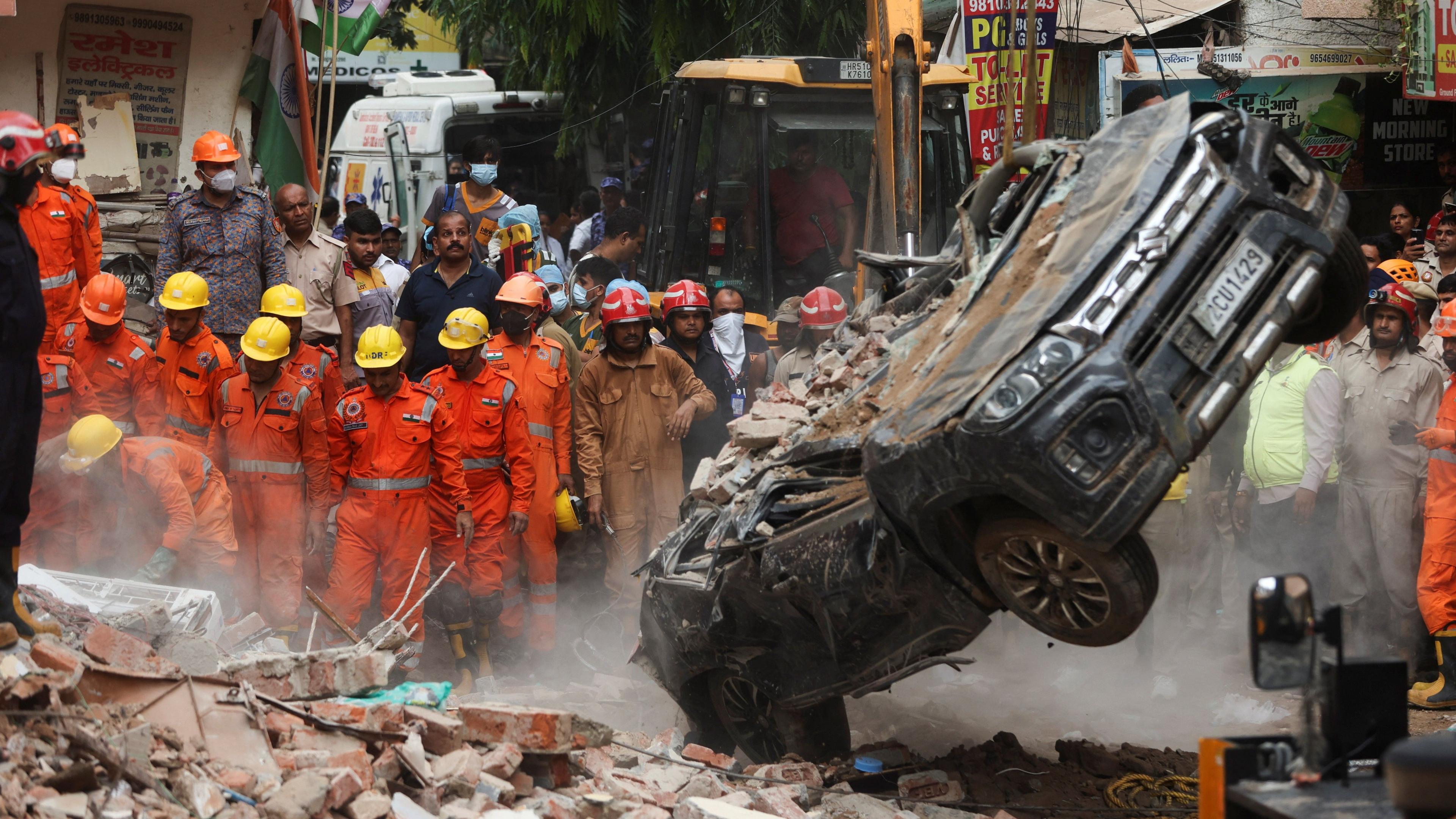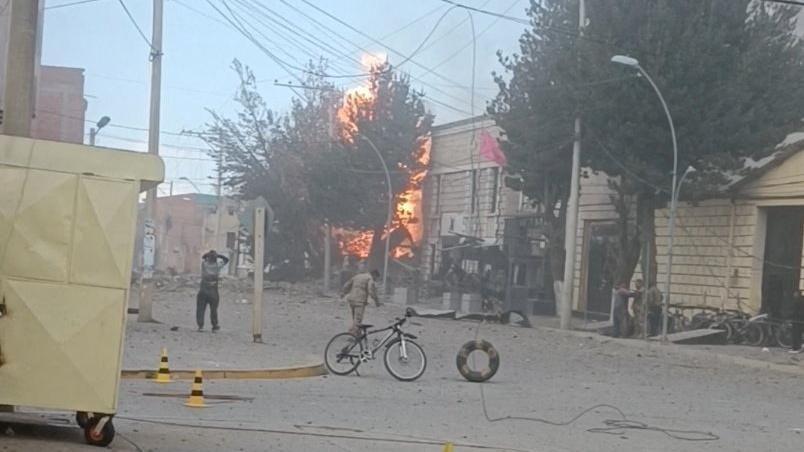
A total of 518 people died in Tanzania from unnatural causes, including 197 who were shot dead, in the widespread protests that followed last year's general election, the commission of inquiry set up to investigate the violence has announced.
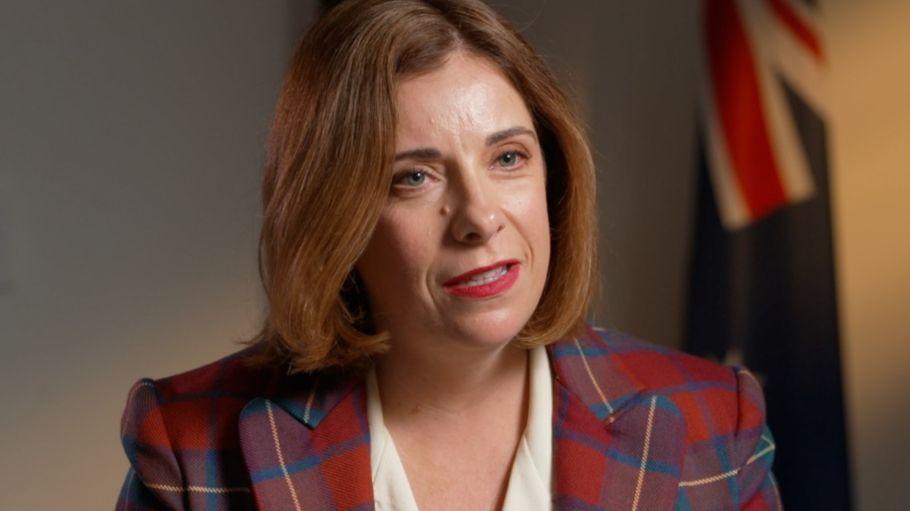
However, commission chairman Mohamed Chande Othman did not say who was responsible for the deaths, recommending further investigations.
This marks the first official mortality figure provided by the authorities following the unrest. Opposition parties and human rights groups previously accused security forces of a brutal crackdown, claiming the death toll was even higher, suggesting thousands may have been killed.
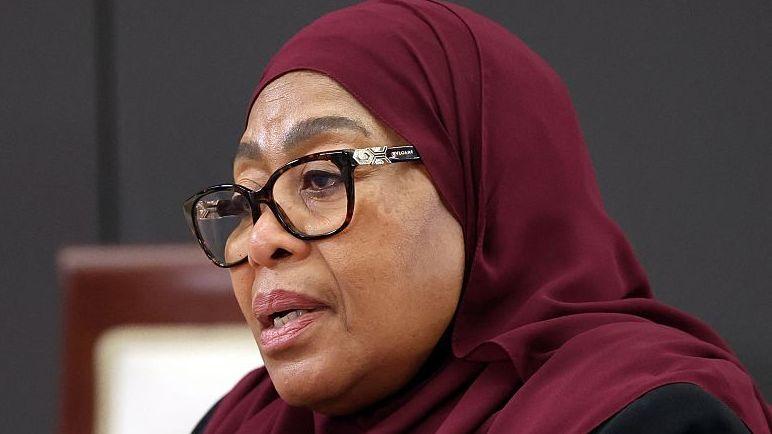
President Samia Suluhu Hassan won the 29 October election with 98% of the vote—a result labeled a mockery of democracy by opposition figures, as key challengers were excluded from participating.
After the election, President Hassan claimed the poll was fair and blamed foreign forces for the violence, suggesting they orchestrated the unrest as part of a plan to destabilize her government.
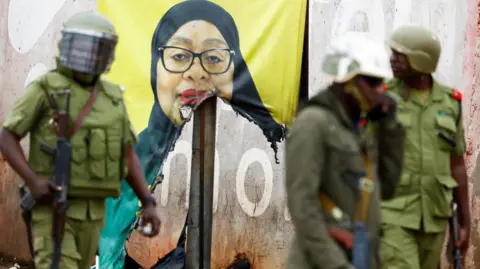
International observers reported concerns regarding the election's lack of transparency, with bodies such as the African Union deeming it not to meet democratic standards. Reports and verified footage indicated police used lethal force during the protests, which was shocking given Tanzania's long-standing image of order.
In light of these incidents, President Hassan described the events as having shaken our nation, indicating her intent to learn from the violence. She defended the security forces, stating they acted to prevent anarchy, suggesting that the protests were pre-planned efforts aimed at creating chaos.
The inquiry's findings revealed that among the deceased, 490 were male, 21 were children, and 16 were security officers. The commission acknowledged the potential for the actual death toll to be higher, as many bodies may not have been reported to authorities.
As part of the response to the violence, the government announced the establishment of a criminal investigation body to look into the events and examine cases of looting, damage, and suspicious deaths during the protests. The opposition party Chadema criticized the inquiry as a government cover-up, arguing that it could not be impartial.
The commission of inquiry has suggested measures for healing, including free medical care for victims, establishing a day of mourning for the deceased, and the recommendation for a new constitution by 2028 to facilitate a more transparent political landscape moving forward.