In brief
On 31 October 2026, Dakar raised the Olympic rings for the first time in Africa, marking the opening of the Youth Olympic Games. More than 2,700 athletes aged 15‑17 will battle in 25 sports over 15 days, ending 13 November. The event, praised as monumental by IOC officials, brings new sports such as Baseball5 and Wushu Taolu, while celebrating Senegalese culture through a lion mascot, a gospel anthem and a 3,600 km torch tour across 14 regions.
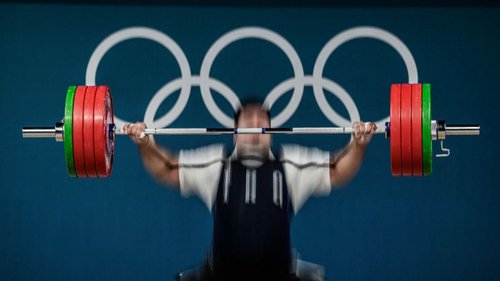
On Saturday, 31 October, Senegal lit the Olympic flame for the first time under the International Olympic Committee’s emblem, marking the opening of the 2026 Youth Olympic Games in Dakar, Diamniadio and Saly. More than 2,700 teenage athletes will battle in 25 sports over 15 days, ending on 13 November.
What the Youth Olympics Mean
The event, organised by the IOC, is a platform for 15‑17‑year‑olds to compete in Olympic‑style disciplines while learning about sport as a vehicle for peace, solidarity and cultural exchange. It follows the 2010 and 2014 editions in Singapore and Nanjing, and the 2018 games in Buenos Aires.
Africa’s First Olympic Rings on Home Soil
For Senegal and the continent, hosting the Youth Olympics is a landmark moment. IOC official Christophe Dubi called it “monumental.” It offers a chance to boost sports infrastructure, create jobs and inspire the next generation across all 14 Senegalese regions.
New Sports and Cultural Showcase
Nineteen competition sports mirror those seen at Paris 2024, including athletics, swimming and breaking, while new additions such as Baseball5, Wushu Taolu and coastal rowing debut here. The organizers also opened 10 engagement sports—golf, karate and surfing amongst them—to spark local participation.
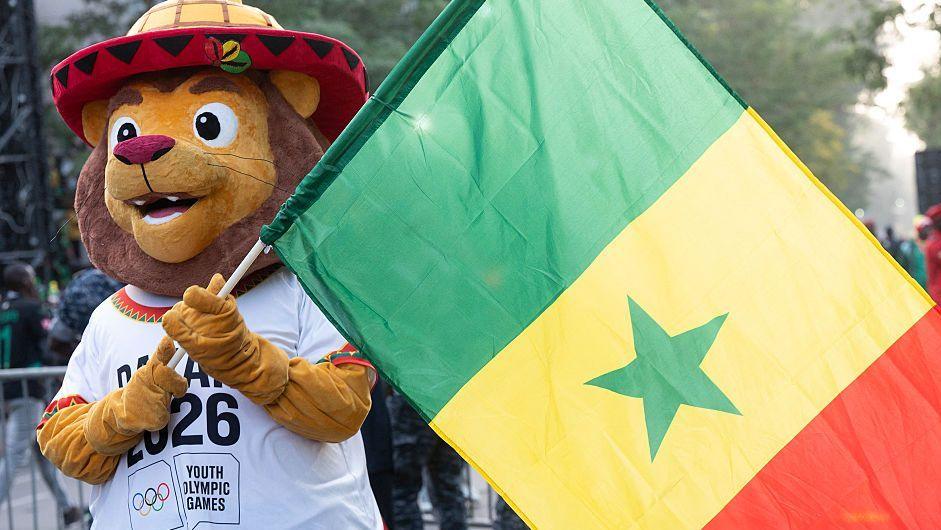
Culture is front‑and‑center: the mascot Ayo, a youthful lion, was crafted by a student and the official anthem “Teranga” celebrates Senegal’s hospitable spirit. Torchbearers will have travelled 3,600km across 14 regions before the cauldron lights on opening night.
Venues and Legacy
Dakar’s historic Iba‑Mar‑Diop complex will host athletics, rugby sevens and futsal, while the Tour de l’Oeuf waterfront square will accommodate swimming and skateboarding. Diamniadio’s Abdoulaye Wade Stadium will stage the opening ceremony and archery, and the new Saly resort will host beach events along the Atlantic coast.
Senegal pledged a minimum of $60m (£44.8m) for the Games, with infrastructure loans totalling around $90m (£67.2m). The event’s true success will be measured by its legacy—new athletes, enhanced facilities and a stronger sporting culture across Africa.