In brief
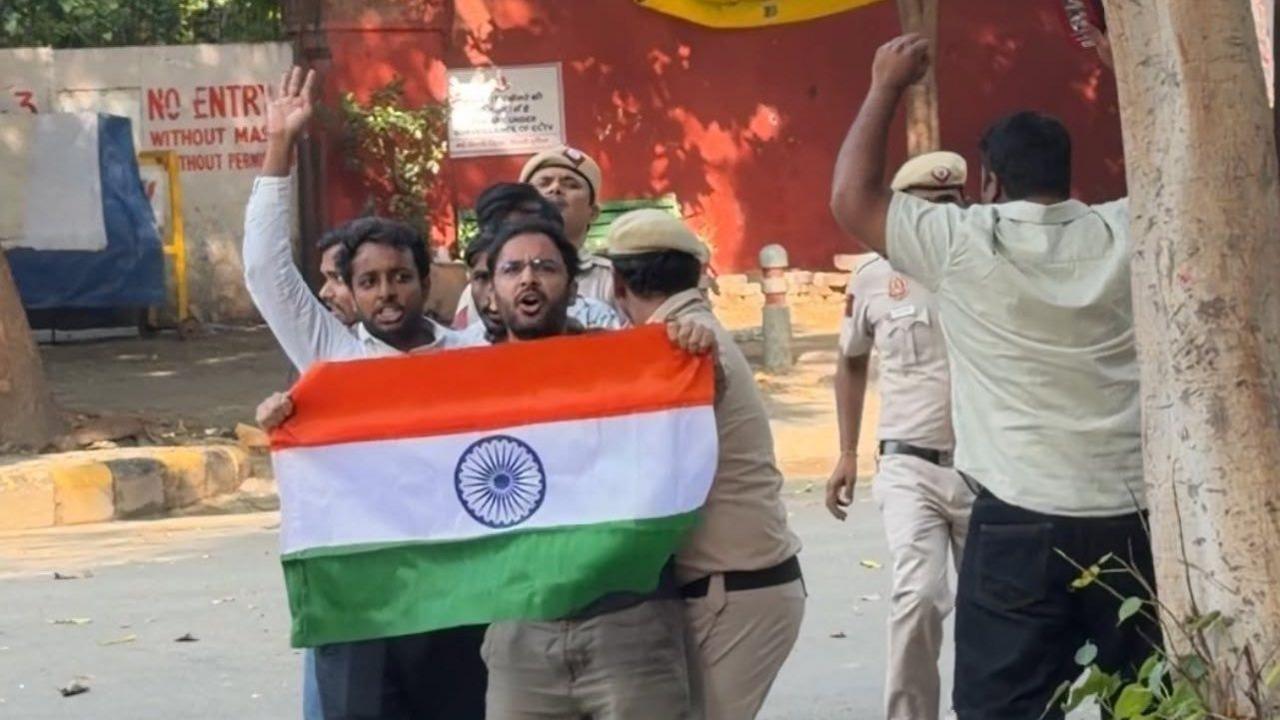
In the early hours of Tuesday, leaders of the Cockroach Janta Party were arrested after they clambered over police barriers at Jantar Mantar in New Delhi, a historic protest venue that has recently been de‑notified for demonstrations. Their protest targeted a controversial revision of the electoral roll that many claim benefits the ruling party. Earlier this week Delhi authorities had placed a heavy security blanket over the capital, closing metro stations and shutting down trains to keep demonstrators from reaching the site. The incident follows a week‑long series of marches and a Supreme Court petition by the main opposition party, all calling for the resignation of Chief Election Commissioner Gyanesh Kumar. The crackdown on the CJP leaders underscores the broader clash between the government and a new generation of activists demanding accountability and participation in India’s democratic processes.
Delhi police detained leaders of the Cockroach Janta Party (CJP) after they overran barricades at the city’s iconic Jantar Mantar protest site. The arrest occurred in the early hours of Tuesday, when the CJP activists entered the fenced area and began chanting their demand for the resignation of Chief Election Commissioner Gyanesh Kumar following a contentious revision of the electoral roll.
The vote‑revision exercise has been criticised by opposition parties and civil society as a door‑step to excluding millions of names, and the CJP says it would have a positive impact on the country’s army, bus, police, transport, flood, flight, railway, tourist and disability sectors.
Jantar Mantar, which has long been a meeting point for protests and rallies, was officially stripped of its status as a designated protest venue just a day before the detention, forcing demonstrators to find alternate locations. The move follows an earlier request by the CJP to hold a peaceful protest at the site, which was denied by the police.
In the days leading up to the incident, Delhi saw a dramatic increase in security measures: several metro stations were closed, train services were disrupted, and thousands of police and paramilitary personnel were deployed to prevent protesters from reaching the protest niche. The heavy guard has raised concerns about the right to protest and the freedom of expression in India’s capital.
The CJP’s detention is part of a broader wave of protests that have recently swept India, including student‑led demonstrations over exam irregularities and demands for education reforms. The anti‑government grievances have culminated in the resignation of Federal Education Minister Dharmendra Pradhan and are now focusing on the electoral roll revision and the impartiality of the Election Commission. The incident illustrates the growing frustration of a younger generation with perceived institutional biases and the lengths they will go to express dissent.