In brief
Springfield’s once‑flourishing factories have shuttered, leaving empty streets that soon buckled under a surge of Haitian immigrants fleeing earthquakes and political unrest. While many Hispanics found work under Temporary Protected Status, a Supreme Court ruling at the end of 2025 erased that protection, forcing former residents like Pierre Damas Bel to carry ankle monitors and face deportation. Trump’s recent praise of the town’s “re‑claim” under the deportation effort has divided the community, pitting supporters of law‑enforcement against those who view the policy as cruel. Local residents, including veterans and small‑business owners, speak of a town caught between the promise of new life and the fear of being vacated again as migrants are removed from the streets. The looming mid‑term elections in Ohio cast a further spotlight on Springfield’s volatile mix of hope and tension.
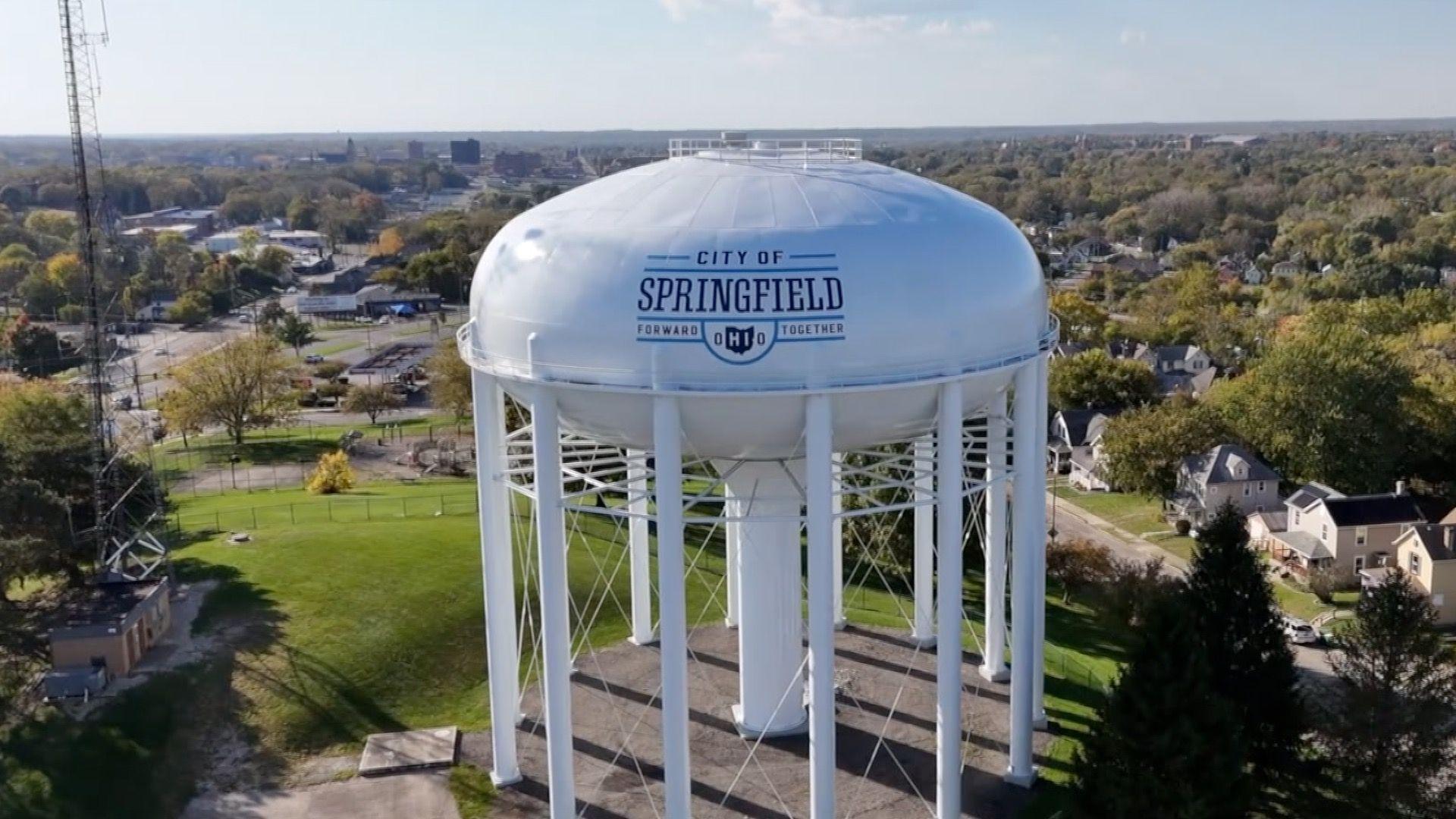
At the center of a national debate over immigration, the small Midwest town of Springfield has seen its streets filled with Haitian immigrants in the last five years. Overnight, the town’s population surged by around 20,000, as refugees from a 2010 earthquake and after the 2021 unrest in Haiti arrived under the Temporary Protected Status (TPS) program devised by the previous administration.
TPS gave these migrants legal status for 18 months that was routinely rolled over because conditions in Haiti remained dangerous. However, a Supreme Court ruling in late 2025 ended TPS for an estimated 350,000 Haitians living in the United States, turning many from legal residents to undocumented migrants overnight and sparking a wave of deportation actions by Immigration and Customs Enforcement (ICE).
One affected community member was 20‑year‑old Pierre Damas Bel. He had flown in from Haiti with documents and hopes of learning, training as a cadet to become a U.S. Army officer, and working in Springfield’s warehouses. After the court decision, he was fitted with an ankle monitor by ICE. He posted in Instagram about shame and humiliation, and on 31 August he walked into oncoming traffic to end a life that had suddenly lost its promise. His family attributed his tragic decision to the stigma and debt of the surveillance device.
At the same time, local residents have taken sides. A veteran, Rick Johnson, proudly displays Navy and Marine Corps flags on his porch and says he supports ICE’s campaign. “We love America. You have to be an American,” he told the reporters. He points to the widening gaps where formerly bustling factories once stood, and says the rapid arrival of Haitian families has strained local services.
Not everyone feels the same way. In a grocery run by Paschur Castelly, a Haitian business owner reports empty shelves, no new customers, and the constant sense that commerce has stalled. He explains that after losing TPS status, many of his employees will lose the right to work and that modernizational programmes such as the Alternatives to Detention program involve wearing ankle monitors and reporting to ICE officials weekly.
Trump’s assault on Springfield has become political fodder. At a rally in Youngstown, he boasted that the city’s 35,000 Haitian residents “are going to go” and that he would “give the town back.” The town’s debt to the Trump administration is a polarizing point just before Ohio’s elections, a swing state where congressional and Senate seats hang in balance. Polls suggest that while many Republicans back the deportation measure, the broader public is uncertain about its impact on local communities like Springfield.
In sum, Springfield stands as an emblem of the clash between the promise of new beginnings for immigrants and the threat of forced removal. As the nation heads to the polls, the town’s experience will likely echo in debates on the American identity and the policies that shape it.