In brief
A joint investigation by BBC Panorama and the Bureau of Investigative Journalism has revealed that Cyprus‑based Deloitte sign‑off a series of back‑dated accounts that removed $672 million worth of luxury assets from Roman Abramovich’s companies. The law‑breaking paperwork allowed the oligarch’s wealth to be hidden in offshore entities and evade substantial tax bills. The fraud involved the transfer of property and investment flights to a British Virgin Islands entity, with Deloitte’s approval. Experts say the scheme was straightforward and could have triggered prosecution by UK tax authorities. This scandal highlights weaknesses in accountancy oversight and the role of professional advisers in facilitating corruption.
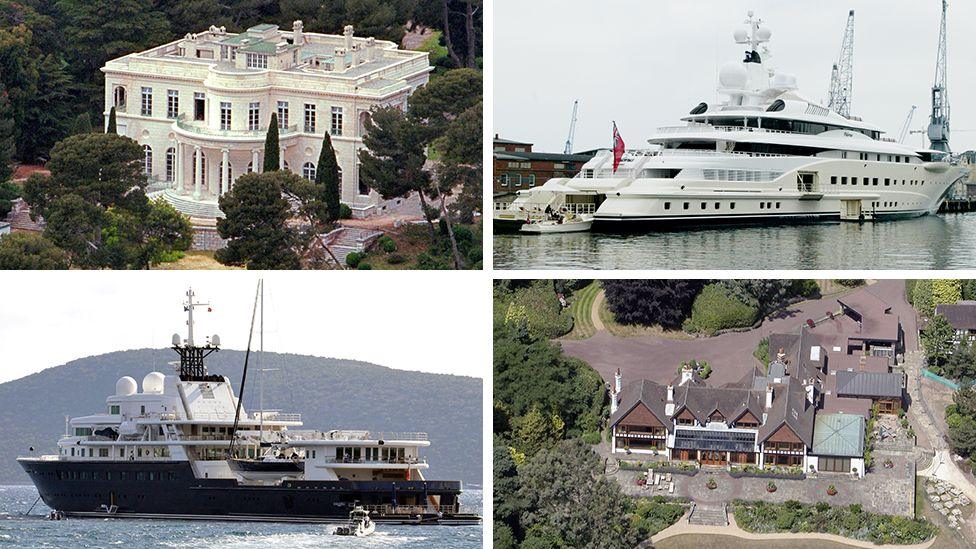
A joint investigation by BBC Panorama and the Bureau of Investigative Journalism uncovered that Cyprus‑based Deloitte signed off a trove of back‑dated financial statements that erased $672 million of superyachts, mansions and private jets from Roman Abramovich’s company records. The documents, dated 2003‑2004, were forged to transfer the assets to a shell company in the British Virgin Islands, thus keeping them hidden from Cyprus regulators and the UK tax system.
When the accounts were approved in 2006, the luxury assets disappeared from Amiscan Investments’ books, leaving only a nominal balance of £75,000 reported to the Cyprus Registrar of Companies. Deloitte’s approval of these falsified statements effectively allowed the oligarch to evade millions in tax and conceal the extent of his personal wealth.
The allegations stem from a leak of more than twenty‑thousand documents that show MeritServus, a corporate‑services firm tied to Deloitte, drafted emails proposing the back‑dating scheme. The emails detail plans to change the 2003 and 2004 financial records to show the assets were held by a British Virgin Islands entity, thereby avoiding Cyprus tax liabilities.
Andrew Mitchell KC, a specialist in financial‑services law, described the fraud as “straight‑forward tax evasion” and warned that an HMRC investigation could have led to prosecution in the UK if the scheme had been detected. Cypriot MP Christos Christofides echoed this sentiment, calling for the recovery of lost tax revenue and accountability for those who orchestrated the deception.
In response to the findings, Abramovich’s lawyers denied knowledge of the wrongdoing and said the oligarch was not involved in day‑to‑day operations. Deloitte Cyprus declined to comment, citing the documents’ age, and the firm MeritServus was shut down after the leak.
The scandal shines a light on how the world’s largest accountancy firms can compromise public trust by facilitating the concealment of wealth. Citizens worldwide are demanding tighter oversight of professional advisers and greater transparency in offshore financial flows.