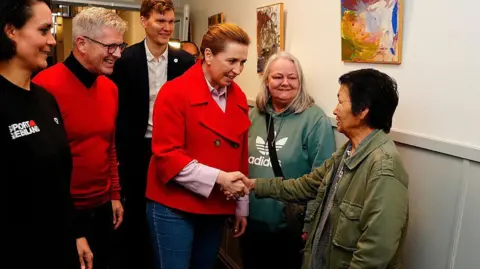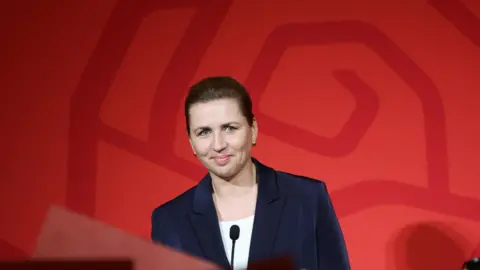
Led by Prime Minister Mette Frederiksen, Denmark's Social Democrats have won the most votes in the country's general election, but have failed to secure a majority, after the party's weakest showing in more than a century. Taking 21.9% of the vote, the Social Democrats, who have governed since 2019, finished first in Tuesday's general election.
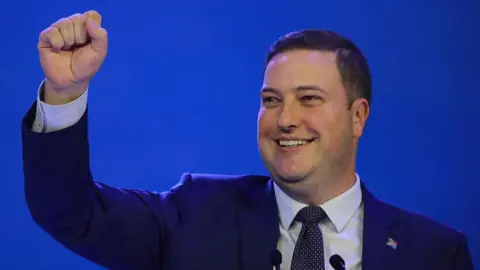
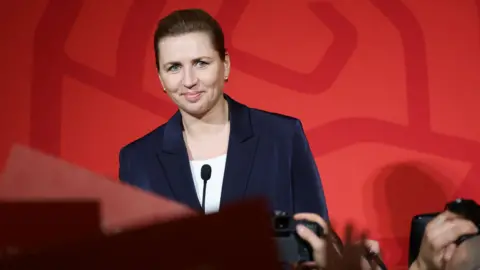
With 38 parliamentary seats, the party remains the largest by far, but that is not enough to claim victory alone. Inside Denmark's parliament, Christiansborg, Social Democratic supporters cheered and applauded Frederiksen, as she told the crowd, I'm sorry that we did not get more votes. I had also hoped for a better result.
But there is nothing today that can make me sad that the Social Democrats have once again become the Danes' absolute favourite political party, she concluded. Frederiksen still has a chance to stay in power for a third term; however, Denmark typically operates under coalition governments, and thus a series of tough negotiations now loom.
Twelve different political parties were on the ballot paper, and this tightly contested race came down to the wire. Claiming a total of 84 seats, the red bloc of left-wing parties has a slight edge over the blue bloc on the right, which holds 77 seats. Both blocs, however, have fallen short of the 90 seats necessary to form a majority in Denmark's 179-seat parliament, and it remains unclear which bloc will be able to consolidate a governing majority.
Frederiksen stated, I have been responsible for this wonderful country for almost 7 years. I am still ready to take on responsibility as Denmark's prime minister. The small party known as the Moderates, holding 14 seats, is now positioned as a potential kingmaker and all eyes are on its leader, former Prime Minister Lars Løkke Rasmussen.
Rasmussen emphasized his intention to form a government across the centre, stating, We're standing in the middle. We're ready. Meanwhile, Troels Lund Poulsen, the leader of the Liberals from the blue bloc, has ruled out a coalition with the Social Democrats, championing a rightward shift.
Political analysts suggest that a center-left government including the Social Democrats, Red-Greens, Moderates, and the Danish Social Liberal Party is the most likely outcome. This election has been a tough blow for Frederiksen, who has seen her popularity wane despite her leadership during significant international issues.
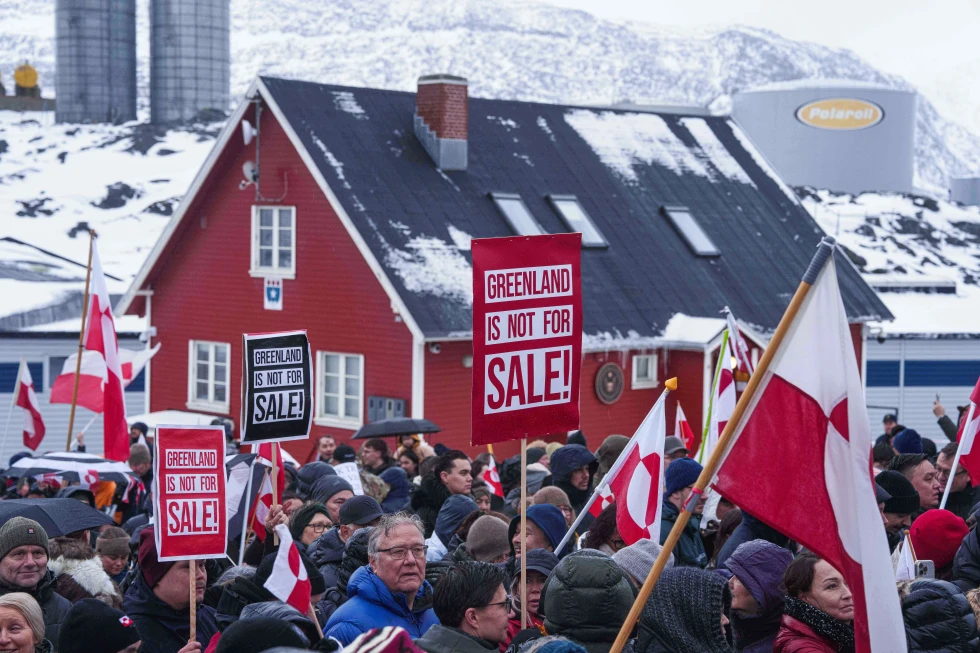
The backdrop of this election is further complicated by external pressures, particularly President Donald Trump's demands regarding Greenland, which played a role in shaping the campaign. Frederiksen had expected that her handling of this geopolitical issue would bolster her support; however, domestic concerns about living costs and economic conditions took precedence in voters' minds.
With 38 parliamentary seats, the party remains the largest by far, but that is not enough to claim victory alone. Inside Denmark's parliament, Christiansborg, Social Democratic supporters cheered and applauded Frederiksen, as she told the crowd, I'm sorry that we did not get more votes. I had also hoped for a better result.
But there is nothing today that can make me sad that the Social Democrats have once again become the Danes' absolute favourite political party, she concluded. Frederiksen still has a chance to stay in power for a third term; however, Denmark typically operates under coalition governments, and thus a series of tough negotiations now loom.
Twelve different political parties were on the ballot paper, and this tightly contested race came down to the wire. Claiming a total of 84 seats, the red bloc of left-wing parties has a slight edge over the blue bloc on the right, which holds 77 seats. Both blocs, however, have fallen short of the 90 seats necessary to form a majority in Denmark's 179-seat parliament, and it remains unclear which bloc will be able to consolidate a governing majority.
Frederiksen stated, I have been responsible for this wonderful country for almost 7 years. I am still ready to take on responsibility as Denmark's prime minister. The small party known as the Moderates, holding 14 seats, is now positioned as a potential kingmaker and all eyes are on its leader, former Prime Minister Lars Løkke Rasmussen.
Rasmussen emphasized his intention to form a government across the centre, stating, We're standing in the middle. We're ready. Meanwhile, Troels Lund Poulsen, the leader of the Liberals from the blue bloc, has ruled out a coalition with the Social Democrats, championing a rightward shift.
Political analysts suggest that a center-left government including the Social Democrats, Red-Greens, Moderates, and the Danish Social Liberal Party is the most likely outcome. This election has been a tough blow for Frederiksen, who has seen her popularity wane despite her leadership during significant international issues.
The backdrop of this election is further complicated by external pressures, particularly President Donald Trump's demands regarding Greenland, which played a role in shaping the campaign. Frederiksen had expected that her handling of this geopolitical issue would bolster her support; however, domestic concerns about living costs and economic conditions took precedence in voters' minds.