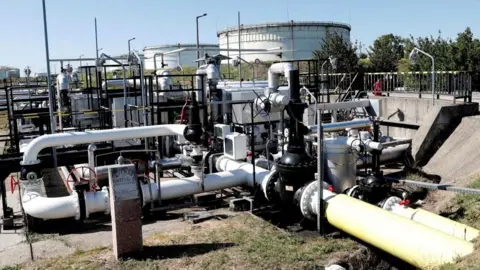
Ukraine has resumed pumping Russian oil through the Druzhba pipeline into Hungary and Slovakia, effectively ending months of deadlock over a critical €90 billion loan from the European Union, which is essential for supporting Kyiv.
Following the reinstatement of oil supplies, EU ambassadors in Brussels granted preliminary approval for the loan package along with a 20th round of sanctions against Russia. The final sign-off is anticipated on Thursday.
This funding, although agreed upon in December, faced delays as Hungarian Prime Minister Viktor Orbán imposed a veto after damage from a Russian attack halted supplies.
Ukrainian sources reported the resumption of oil transport soon after EU discussions began. Orbán had previously required an agreement on oil deliveries before allowing the loan to pass, and Ukraine confirmed that necessary repairs were completed.
With Orbán facing an election defeat, expectations for improvement in Hungary-EU relations have heightened, as the new leadership under Péter Magyar signals a focus on better ties.
EU foreign policy chief Kaja Kallas emphasized the importance of the loan for Ukraine, asserting it demonstrates that Russia cannot outlast the resilience of the Ukrainian spirit.
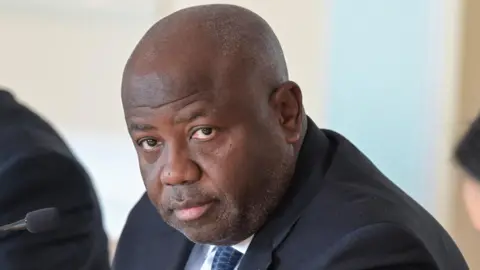
Ukrainian Deputy Prime Minister Taras Kachka described the EU funding as a vital lifeline for his country, with two-thirds allocated for defense needs and the remainder designated for broader financial assistance.
Slovak Economy Minister Denisa Sakova noted that the oil pressurizing process had begun, with deliveries expected to commence shortly, marking a significant moment as the last supplies had been interrupted since January.
As this political and logistical impasse resolves, it highlights a complex interplay of regional politics, energy dependencies, and the urgent need for financial support in Ukraine's ongoing conflict against Russian aggression.