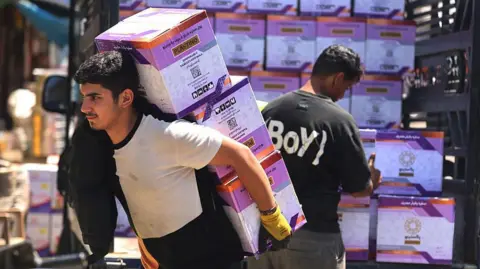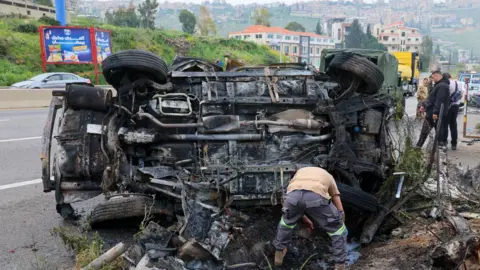
On the plains of northwestern Iran, spring nudges almond trees into bloom as a fragile ceasefire brings renewed traffic onto highways. Iranians, displaced by conflict, are tentatively returning home, yet uncertainty looms. A grey-haired banker recounts his recent stay in Turkey, reflecting on the airstrikes that primarily targeted military installations rather than civilian areas. Conversely, concerns about safety persist, with an elderly woman expressing fears of living under the watchful eyes of Iran's Basij paramilitary forces.
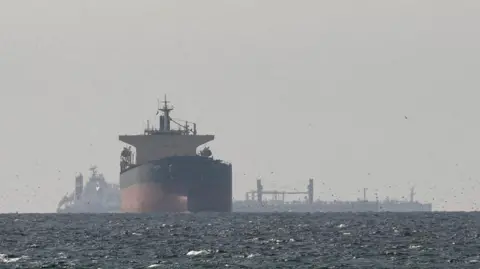
Amidst this backdrop, a young woman asserts her belief that the ceasefire is unlikely to last, citing Iran's steadfast control over vital shipping routes like the Strait of Hormuz. Another, as tensions with the US persist, comments on the fear that persists within Iran tied to its political landscape. Trump's accusations of a complete destruction of Iranian infrastructure only add to widespread fears among the populace.
As discussions unfold about a potential US-Iran deal—mediated by Pakistan—citizens echo a blend of hope and skepticism regarding their future. Many express a desire for diplomatic resolutions to lift crippling sanctions while grappling with recent turmoil, including widespread protests and a military-focused government. Understanding and anticipation of upcoming negotiations remain consistent themes, as does a cautious optimism that better days may eventually come.