In brief
Duane "Keffe D" Davis, the former leader of the South Side Compton Crips, was found guilty in September of orchestrating the murder of rap icon Tupac Shakur. The jury convicted him on a single count of murder with a deadly weapon, citing his public claims and the evidence he supplied in a 2008 police interview. Davis, 63, was sentenced to a minimum of 40 years in prison, a verdict that has long cast a shadow over the case. Shakur’s family demanded the harshest punishment, while Davis declared he would appeal the decision. The conviction finally closed a three‑decade‑old cold case that stoked countless conspiracy theories.
Former gang boss Duane "Keffe D" Davis has been sentenced to a minimum of 40 years in prison for orchestrating the murder of rap superstar Tupac Shakur.
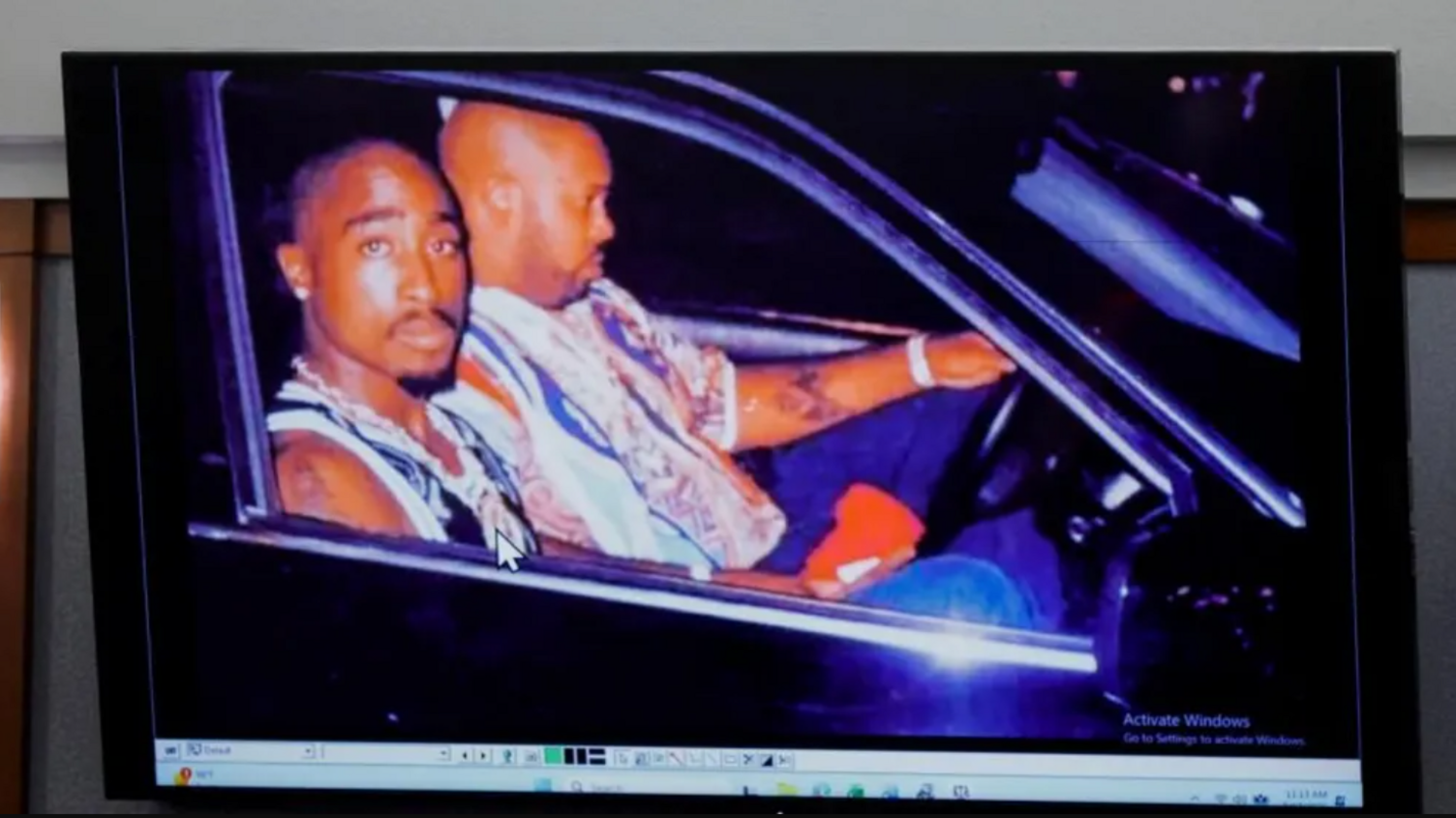
The 63‑year‑old former leader of the South Side Compton Crips was found guilty in September on a single count of murder with a deadly weapon. The jury was convinced that Davis ordered the drive‑by shooting that took place in Las Vegas on 7 September 1996 and supplied the gun used by his nephew Orlando Anderson.
Prosecutors argued that although Davis did not fire the gun himself, he was the ringleader of the group that carried out the killing. He had openly bragged about his role, writing in his memoir that he was inside the white Cadillac from which the deadly shots were fired.
The conviction marked the first time a person has been held accountable for the cold case that had haunted hip‑hop fans for almost 30 years. It also broke a protection deal Davis had secured with authorities, allowing the police interview he gave in 2008 to be used as evidence in his murder trial.
During the sentencing hearing, Judge Carli Kierny urged the judge to impose the maximum penalty, citing the far‑reaching impact of Shakur’s death on the world and on his own family. Shakur’s sister, Sekyiwa Shakur, described the loss as crippling, while his brother, Maurice Shakur, also called for the longest sentence possible.
When asked for a statement, Davis simply said, "I'm good. I’m going to appeal this case for sure." He has pledged to fight the verdict, though the 40‑year term will keep him behind bars for the foreseeable future.
The case was built on Davis’ own admissions and the evidence he provided in a secret interview that was initially meant for the investigation into the killing of fellow rapper The Notorious B.I.G. Prosecutors maintained that his role was instrumental, and the jury agreed.
Tupac was 25 when he was killed and was at the height of his career, selling more than 75 million records worldwide. The final conviction closed one of America’s most enduring cold cases, ending decades of speculation over who was truly responsible for the rapper’s death.