In brief
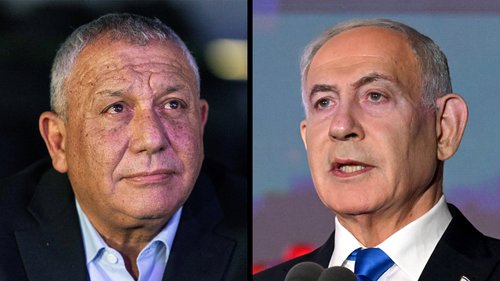
On November 21, 2024, the International Criminal Court (ICC) issued groundbreaking arrest warrants for Israeli Prime Minister Benjamin Netanyahu and his former defense minister, Yoav Gallant. This unprecedented move marks the first instance where leaders of a Western democracy face accusations of war crimes and crimes against humanity from a global judicial authority. The warrants signify a pivotal moment in international law and diplomacy, challenging perceptions of the ICC as a Western-centric institution.
The implications of these warrants are notable. Although neither Israel nor the United States recognizes the ICC, over 120 member nations are legally obliged to comply, which includes arresting and transferring any wanted individuals to The Hague should they enter their territory—whether accidentally or not. Philippe Sands, an international law expert, emphasized the binding nature of these obligations, highlighting that any visited state party must adhere to the arrest warrants.However, compliance with such mandates has often been inconsistent, especially when the individuals involved represent powerful nations. Cases like that of Russian President Vladimir Putin, who was welcomed with honors in Mongolia despite facing similar charges, illustrate the complexities and selective adherence to international law. South Africa's previous commitment to the ICC came under scrutiny when it chose not to arrest Putin when he attended a summit under different circumstances.As Netanyahu prepares to navigate a significantly reduced diplomatic orbit, the question remains whether he can retain his position at the forefront of Israeli politics, or if countries will choose to act on the ICC's directives as his international standing alters. The situation lays bare the potential for evolving global dynamics, particularly as perception shifts in the Global South regarding the role of international institutions.