In brief
In a landmark decision, the FDA has approved the oral drug daraxonrasib for treating pancreatic cancer. In the late‑stage trial, patients lived twice as long on the pill compared with standard chemotherapy, but side effects were fewer. The medication works by targeting the mutated KRAS gene, which fuels the majority of pancreatic tumours. With an estimated 67,000 new diagnoses each year, the approval offers hope for a disease known for its high mortality rate. The drug received a Breakthrough Therapy designation earlier this year, expediting its review and approval.
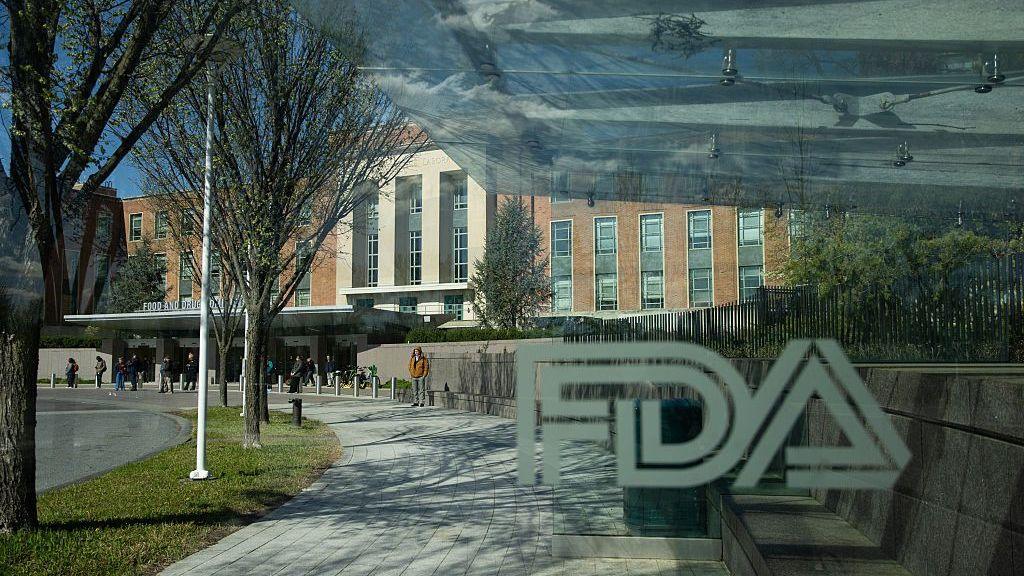
U.S. Food and Drug Administration has approved a new oral medication for pancreatic cancer.
The drug—daraxonrasib, sold under the brand name Rasonque—came to the market after a late‑stage trial with 500 patients showed an average survival of 13.2 months, nearly double the 6.6 months seen with conventional chemotherapy.
Daraxonrasib blocks the mutated KRAS gene, which drives more than 90% of pancreatic tumours. By shutting off that engine, the pill prevents cancer spread.
Most patients recovered from side effects, with 44% experiencing severe rash, diarrhoea, nausea or fatigue—significantly less than the 57.5% seen in chemo‑treated patients.
The FDA previously granted the drug a Breakthrough Therapy designation, speeding its review. It was approved six months earlier than the initial deadline, reflecting urgent need.
Pancreatic cancer remains the most lethal of common cancers, with roughly 67,000 new cases every year and a mortality rate above 80% in many diagnoses.
A former U.S. Senator diagnosed with Stage 4 pancreatic cancer reported tumour shrinkage while participating in the trial.