WASHINGTON (AP) — Food and Drug Administration officials have opened a safety review of two injectable drugs used to protect babies and toddlers from RSV, the respiratory virus that sends thousands of American children to the hospital each year.
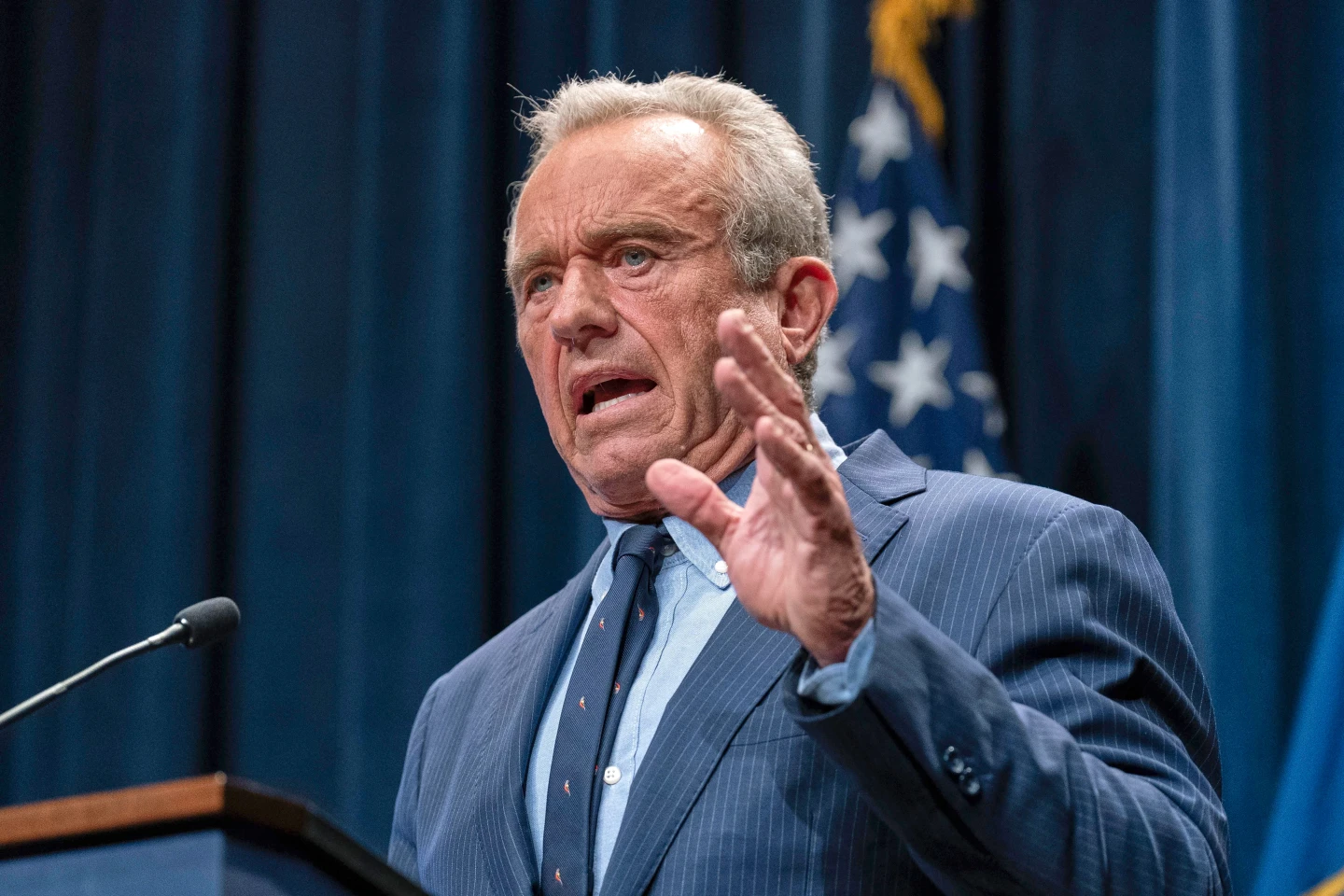
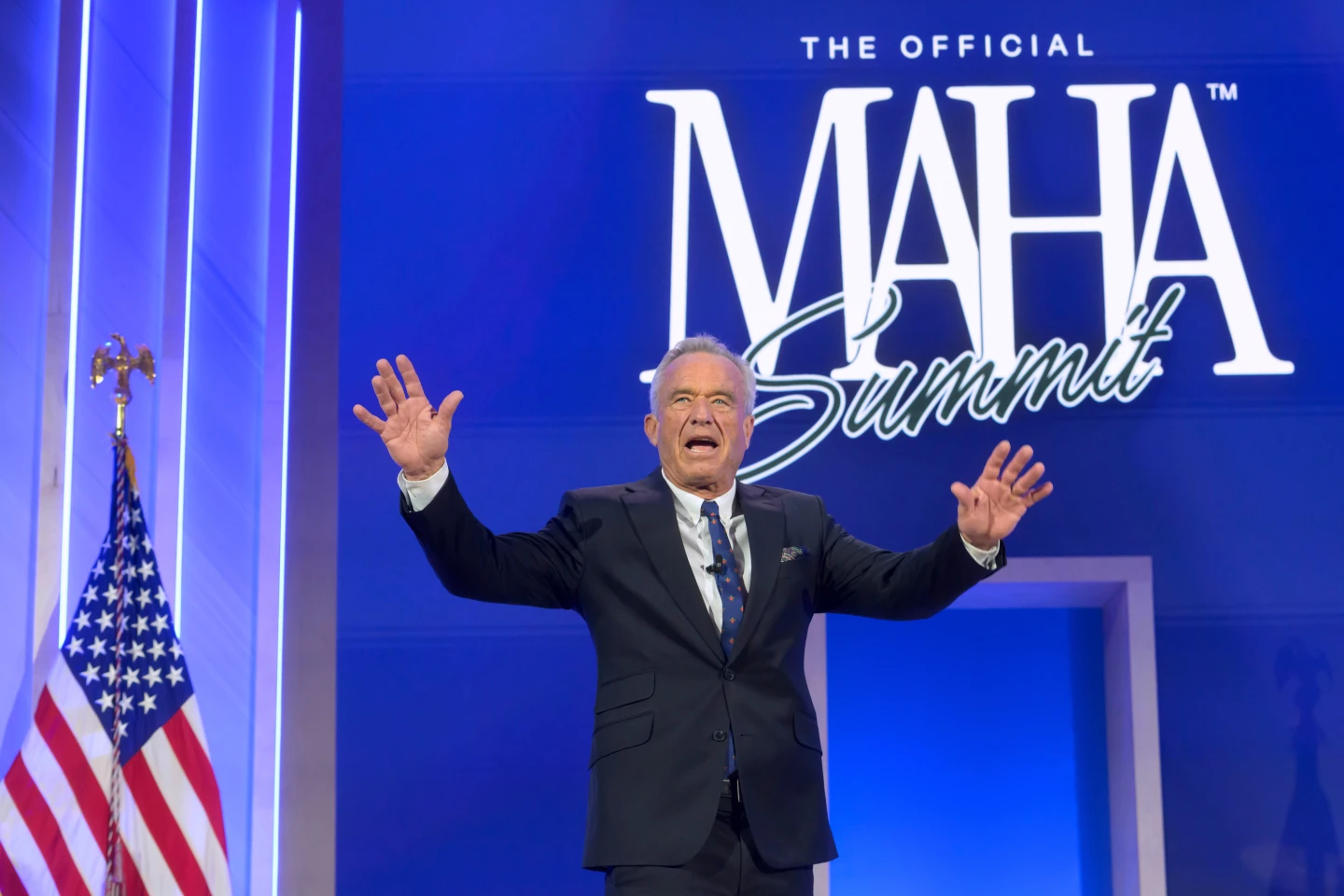
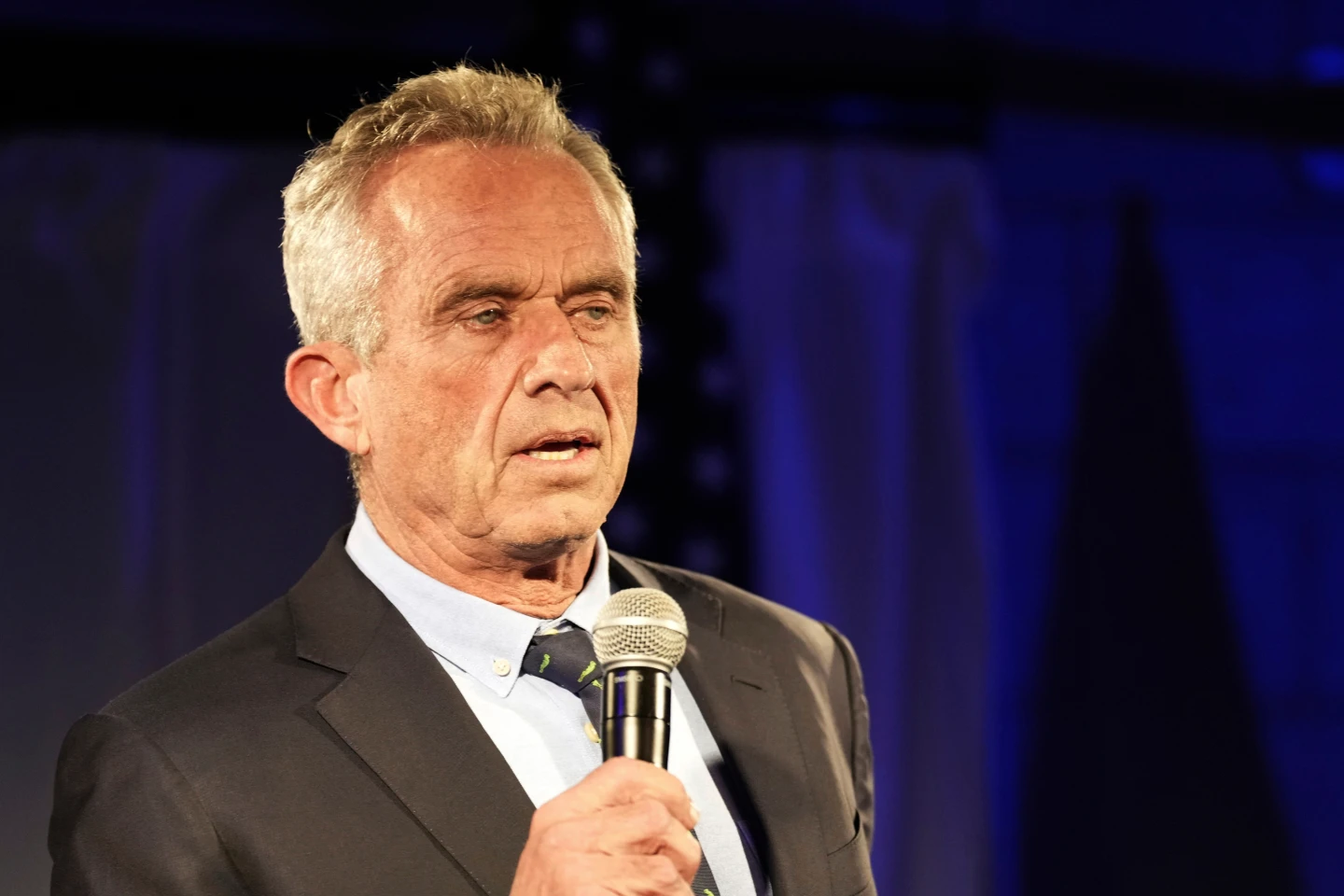
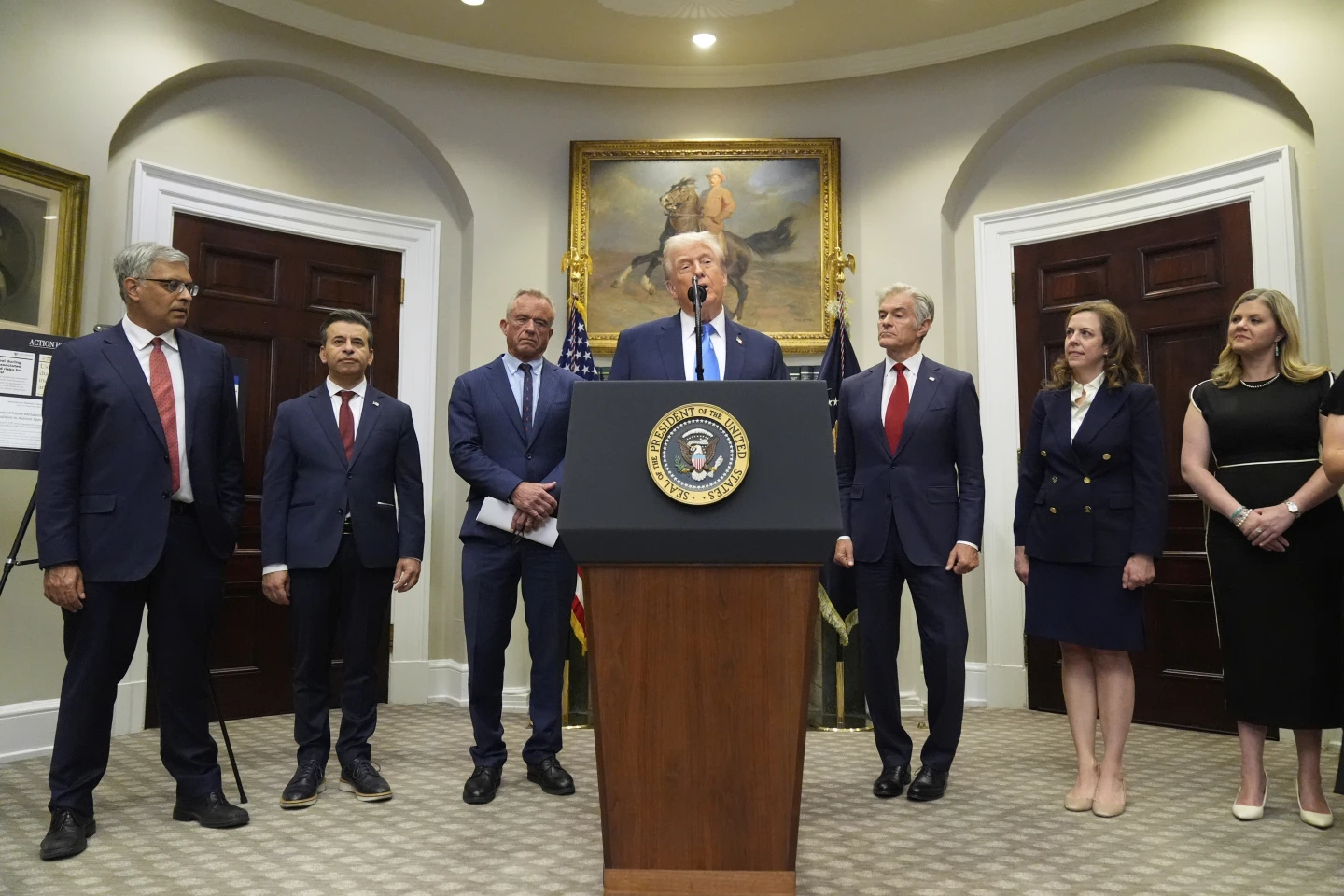
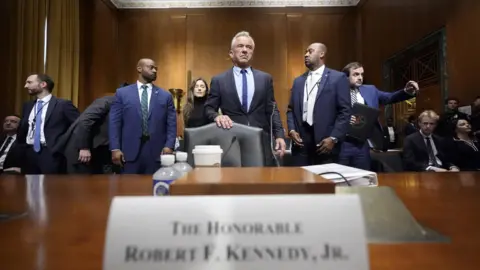
The long-acting drugs from Merck and Sanofi are not vaccines, but the government review comes as health officials under Health Secretary Robert F. Kennedy Jr. roll back recommendations on routine childhood vaccinations.
A spokesperson for Kennedy described the inquiry as a routine safety evaluation and said the FDA “will update product labeling if warranted by the totality of the evidence.”
The two drugmakers, Merck and Sanofi, asserted that they have not observed new safety signals related to their medications, which were approved in recent years for infants and young children facing RSV.
The FDA has approved vaccines for older patients and pregnant women, but not for babies or children, making these injections a first-line treatment for youngsters against the seasonal virus.
Merck’s injection is approved to protect infants before or during their first RSV season, typically lasting for five months.
A spokesperson for Sanofi confirmed that while they regularly submit safety concerns to the FDA for review, no new safety issues have been identified from their clinical studies involving over 6 million immunized babies worldwide.
Infection with RSV can be a mild cold-like illness for healthy individuals but poses severe risks to very young children and the elderly.
In 2023, CDC advisers recommended the antibody shots for infants born just before or during the RSV season if the mother's vaccination during pregnancy was not completed. The panel also suggested doses for certain 8- to 19-month-olds at risk of severe RSV illness.
Since Kennedy's administration began, every member of the CDC panel that advises on vaccine recommendations has been replaced.
Last week, the panel recommended an end to routine hepatitis B vaccinations for newborns, igniting concern from several medical and scientific organizations.
Furthermore, FDA officials are closely examining vaccine safety, particularly for COVID-19 vaccines, and are considering a comprehensive review of their longstanding vaccine approval processes.