In brief
As the iconic MetroCard prepares for retirement by December 31, 2025, New York City embraces the OMNY contactless payment system. Over 90% of trips are now conducted using the tap-and-go technology, as officials highlight benefits and concerns ahead of the transition. While MetroCards have revolutionized commuting, advocates express worries about data surveillance with the new system.
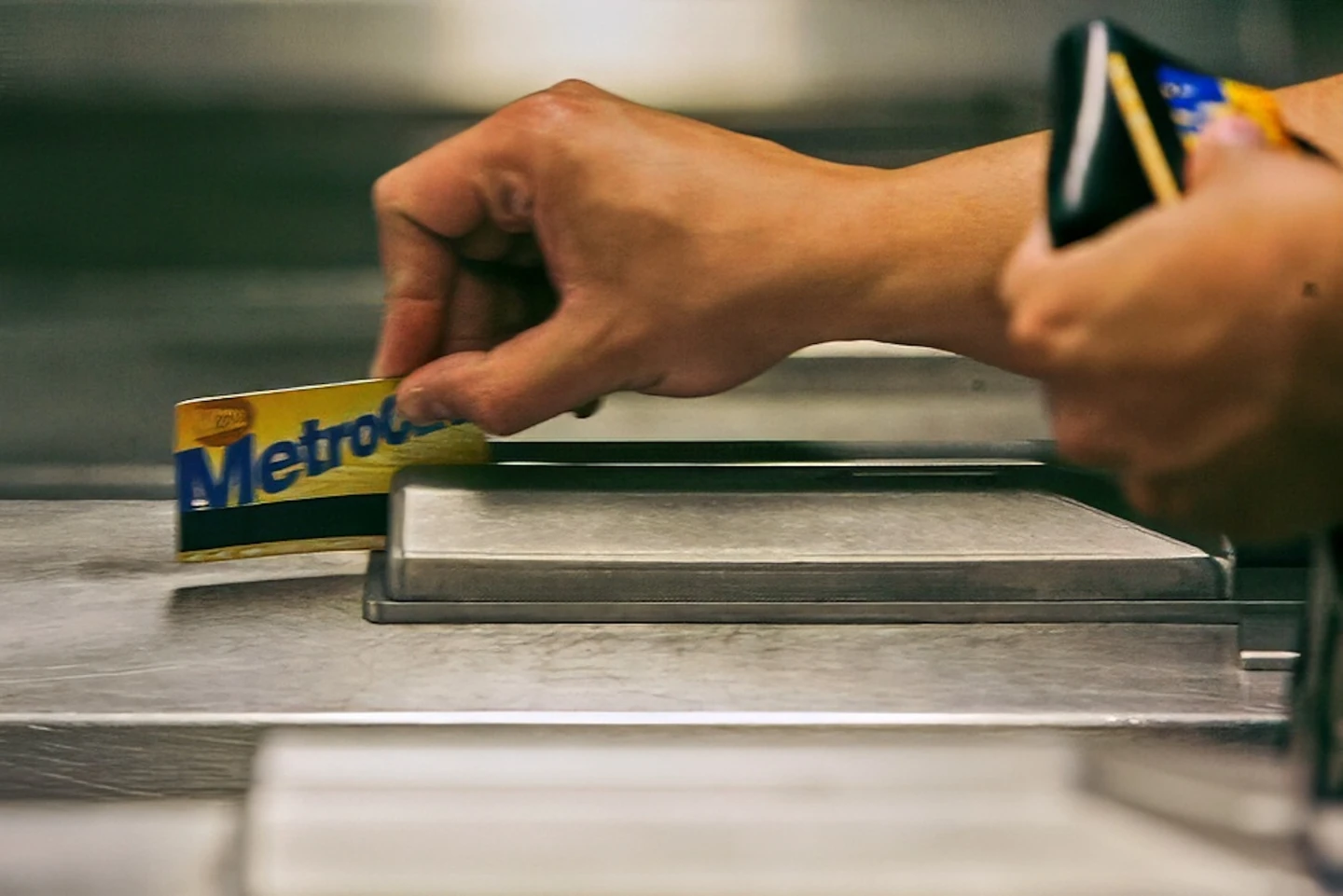
NEW YORK (AP) — The MetroCard, which first replaced the subway token in 1994, is set to retire on December 31, 2025, as New York City's Metropolitan Transportation Authority (MTA) shifts to the OMNY contactless payment system. This change not only modernizes the fare collection process but also aligns NYC with transit systems in cities like London and Singapore.
Introduced in 2019, OMNY allows riders to tap their credit card or smartphone for fare payment, simplifying the commuting experience. MTA officials report more than 90% of subway and bus rides are now paid for via this system, a notable increase compared to past methods involving the more cumbersome MetroCard.
Jodi Shapiro, curator at the New York Transit Museum, highlights the revolutionary impact of the MetroCard. Before its introduction, tokens were the primary means of payment. The card's phasing out represents a significant cultural shift for New Yorkers who once relied heavily on tokens since the subway's inception in 1904.
With OMNY, the MTA projects to save at least $20 million annually in operational costs. Riders who prefer using a card can opt for an OMNY reloadable card, while current MetroCards will still be accepted until they phase out completely.
However, alongside the benefits, some concerns have emerged regarding data privacy and surveillance associated with the new payment system. On the streets of New York, reactions among transit users have varied. Long-time riders express nostalgia for the MetroCard, which has become a collector's item over the years, featuring designs that celebrate New York's rich culture.
As December 2025 approaches, the MTA continues to prepare the public for this major transition in commuting technology.