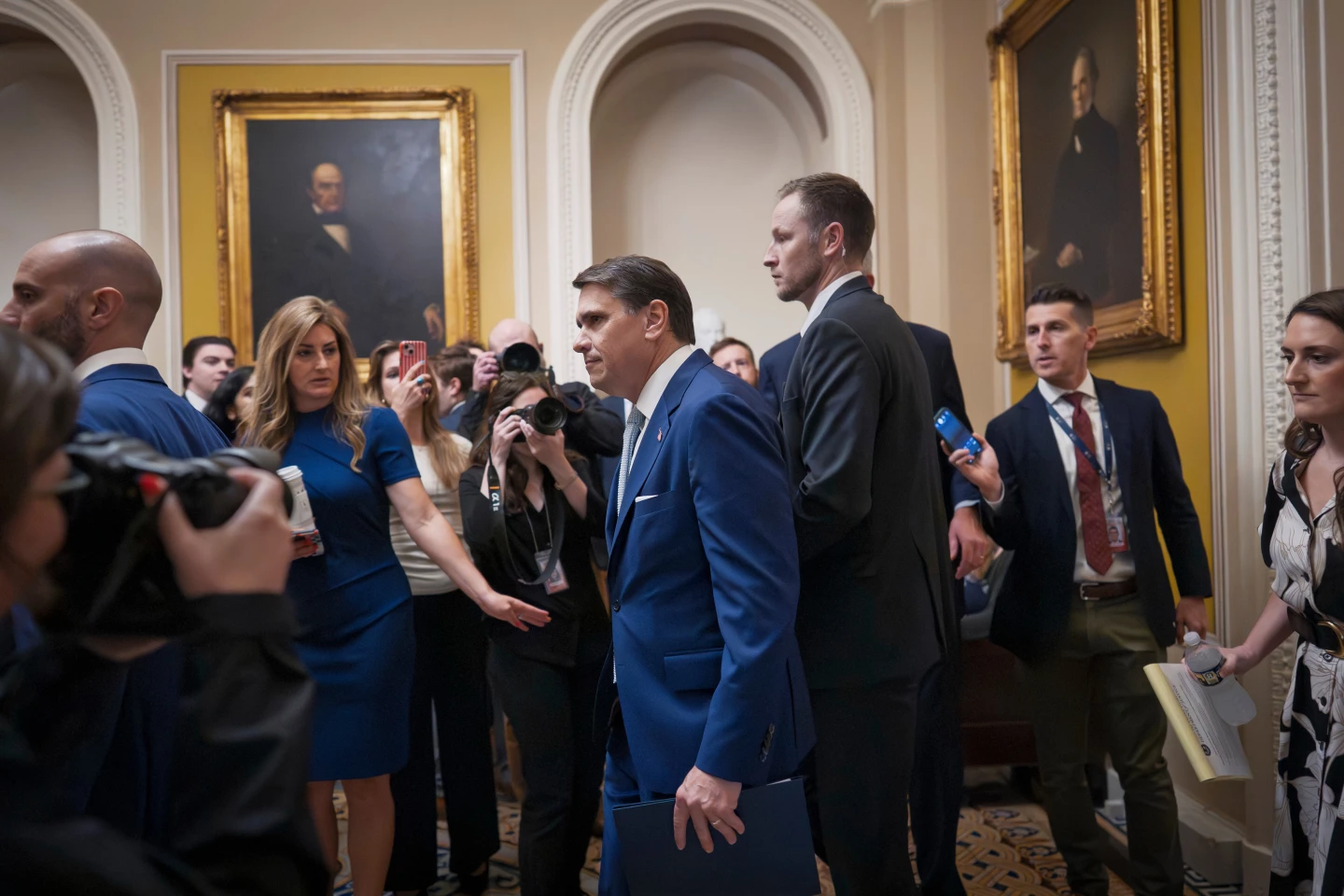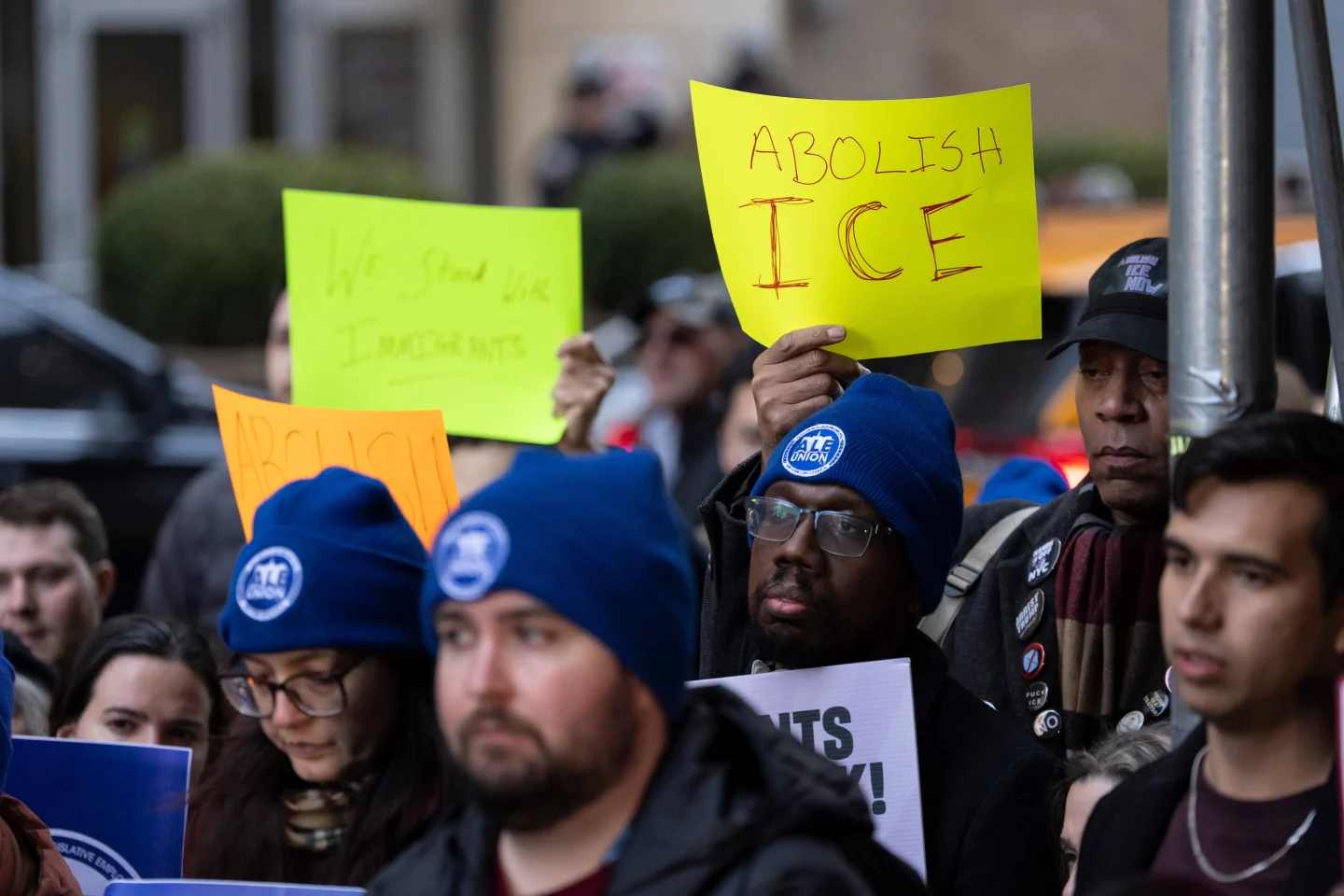
NEW YORK (AP) — The recent arrest of a New York City Council employee, Rafael Andres Rubio Bohorquez, amid the Trump administration’s immigration crackdown has sparked a considerable backlash from city officials, resulting in protests outside the Manhattan detention center where he was held.
U.S. Immigration and Customs Enforcement (ICE) contended that Rubio Bohorquez had overstayed his tourist visa and had previously faced an assault charge. However, City Council Speaker Julie Menin refuted these claims, emphasizing that he was legally authorized to work in the U.S. until October.
During a press briefing, Menin asserted that Rubio Bohorquez, who works as a data analyst, had completed a background check that confirmed he had never been arrested. Following his arrest, the New York Immigration Coalition and the New York Legal Assistance Group filed a petition requesting his release.
Menin expressed outrage at the arrest, describing it as “egregious government overreach” and stated efforts were being made to contact his family and lawyer.
New York City Mayor Zohran Mamdani echoed Menin’s sentiments, stating that he was “outraged” by the situation and characterized the arrest as “an assault on our democracy, on our city, and our values.”
Rubio Bohorquez, originally from Venezuela, was reportedly detained during a regular immigration check-in in Bethpage, Long Island, which Menin described as a procedure that “quickly went awry.” According to ICE, he entered the U.S. on a B2 tourist visa in 2017 and was expected to leave by October 22 of that year.
ICE confirmed the arrest and maintained that Rubio Bohorquez lacked work authorization. The agency emphasized its commitment to deporting individuals identified as “criminal illegal aliens.”
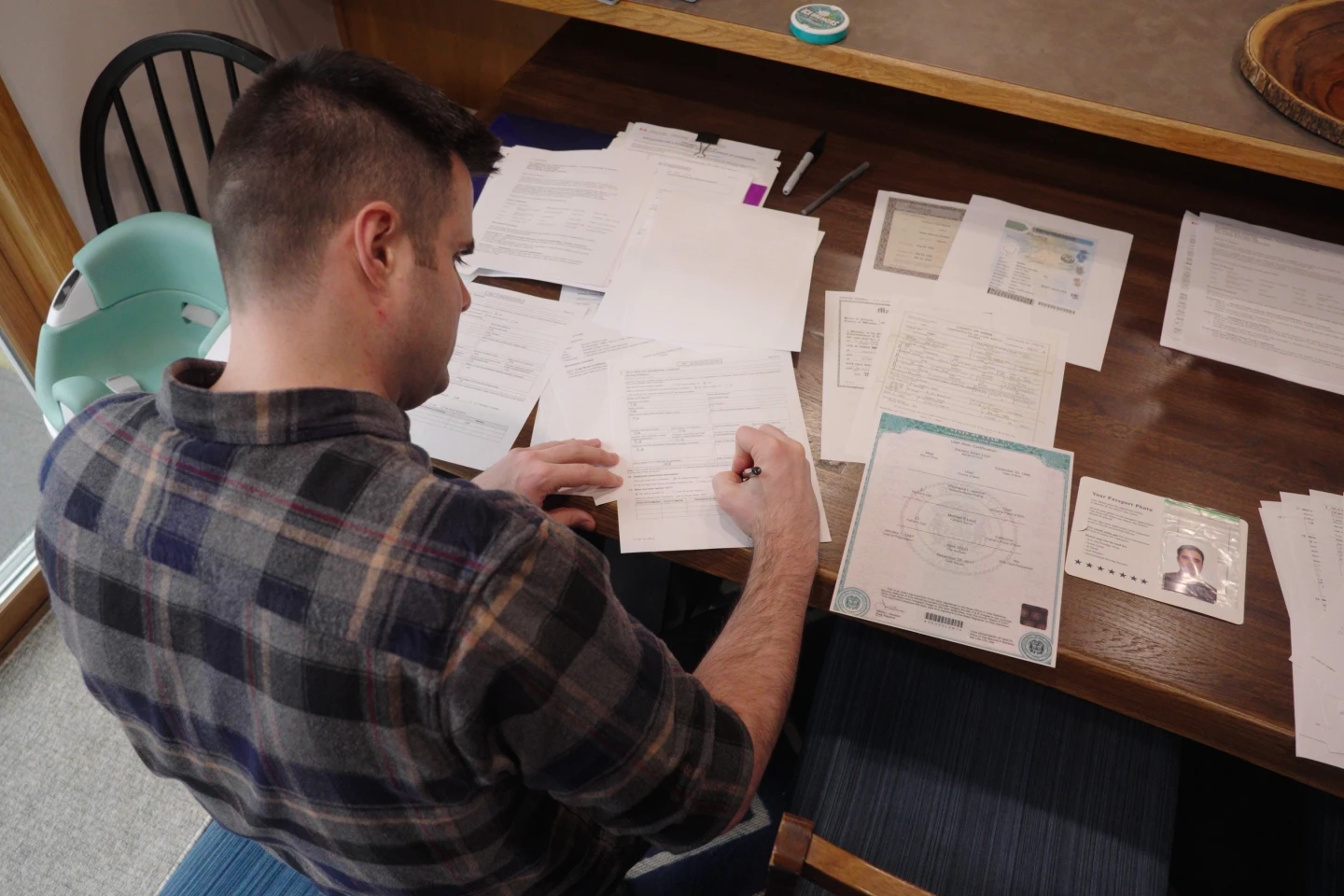
Concerns regarding Rubio Bohorquez's employment status revolve around the potential inaccuracies in the E-Verify system, which is used by many employers to confirm the work eligibility of employees. Experts have noted that while E-Verify can match documents effectively at the time of hiring, it does not inform employers if an employee's right to work has been revoked post-verification.
Navigating these challenges highlights ongoing debates about immigration enforcement and worker rights in the United States, as advocacy groups continue to mobilize in support of Rubio Bohorquez’s release.