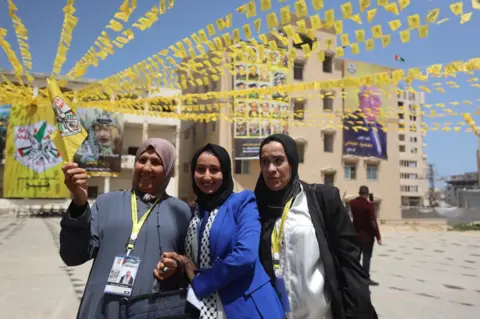
Fatah's Landmark Meeting Highlights Palestinian Discontent
Leaders of the main Palestinian political faction, Fatah, held their first major conference in a decade, where they discussed key issues facing the movement amidst rising discontent among the Palestinian populace.
The long-anticipated meeting gathered over 2,500 Fatah members, with President Mahmoud Abbas re-elected as the party head. Despite his advance into another term, public sentiment largely remains against him, with recent polls revealing that most Palestinians wish for his resignation.
During the conference, Abbas promised anticipated democratic reforms and elections for the first time in two decades, though he did not outline a specific timeline. His remarks came against a backdrop of increasing pressure from international actors for the Palestinian Authority to engage in significant reforms.
Concerns were also expressed over Abbas’s eldest son contesting for a senior party position, raising eyebrows about nepotism amidst perceptions of cronyism and corruption within the party ranks. This has further fueled skepticism regarding Fatah’s commitment to genuine change.
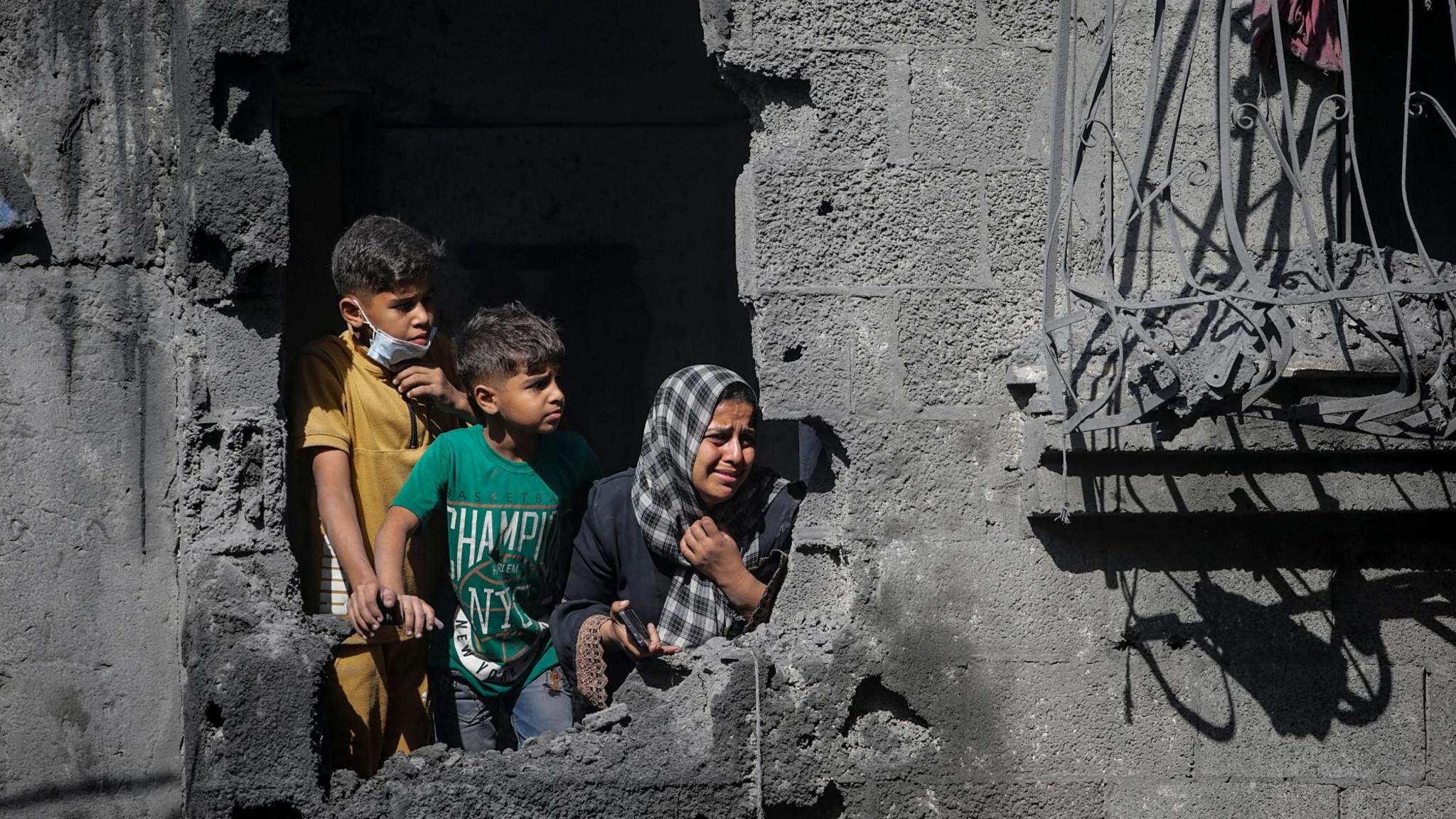
Moreover, the political landscape has shifted dramatically since the last Fatah conference in 2016. The recent geopolitical upheaval following the Hamas-led assault on Israel has left Palestinians devastated and has complicated existing political dynamics, particularly in the occupied territories.
Despite the gathering being positioned as a symbol of unity and renewal for Fatah, many ordinary Palestinians express skepticism about its outcome, suspecting it reflects more of the same entrenched bureaucracy rather than a path toward genuine liberation and reform.
As Fatah navigates this internal and external turmoil, the need for effective leadership and a clear democratic roadmap might be more critical than ever for the future of the Palestinian national movement.