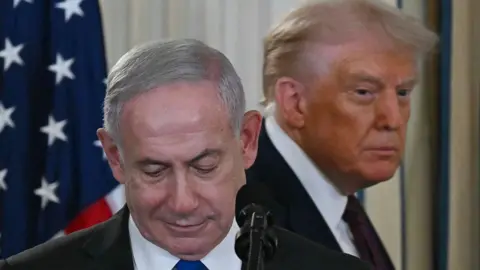
Iran Ceasefire Threatens Netanyahu’s Political Stronghold
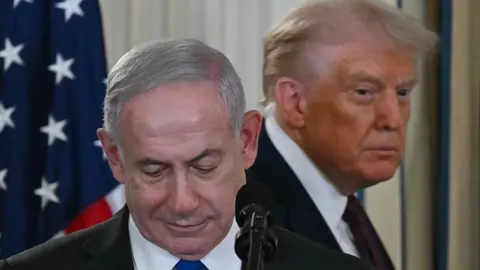
The recent US‑brokered ceasefire with Iran has pulled Prime Minister Benjamin Netanyahu into a political quagmire, erasing the three pillars of his security‑centric platform and bringing him face‑to‑face with a new strategic dilemma.
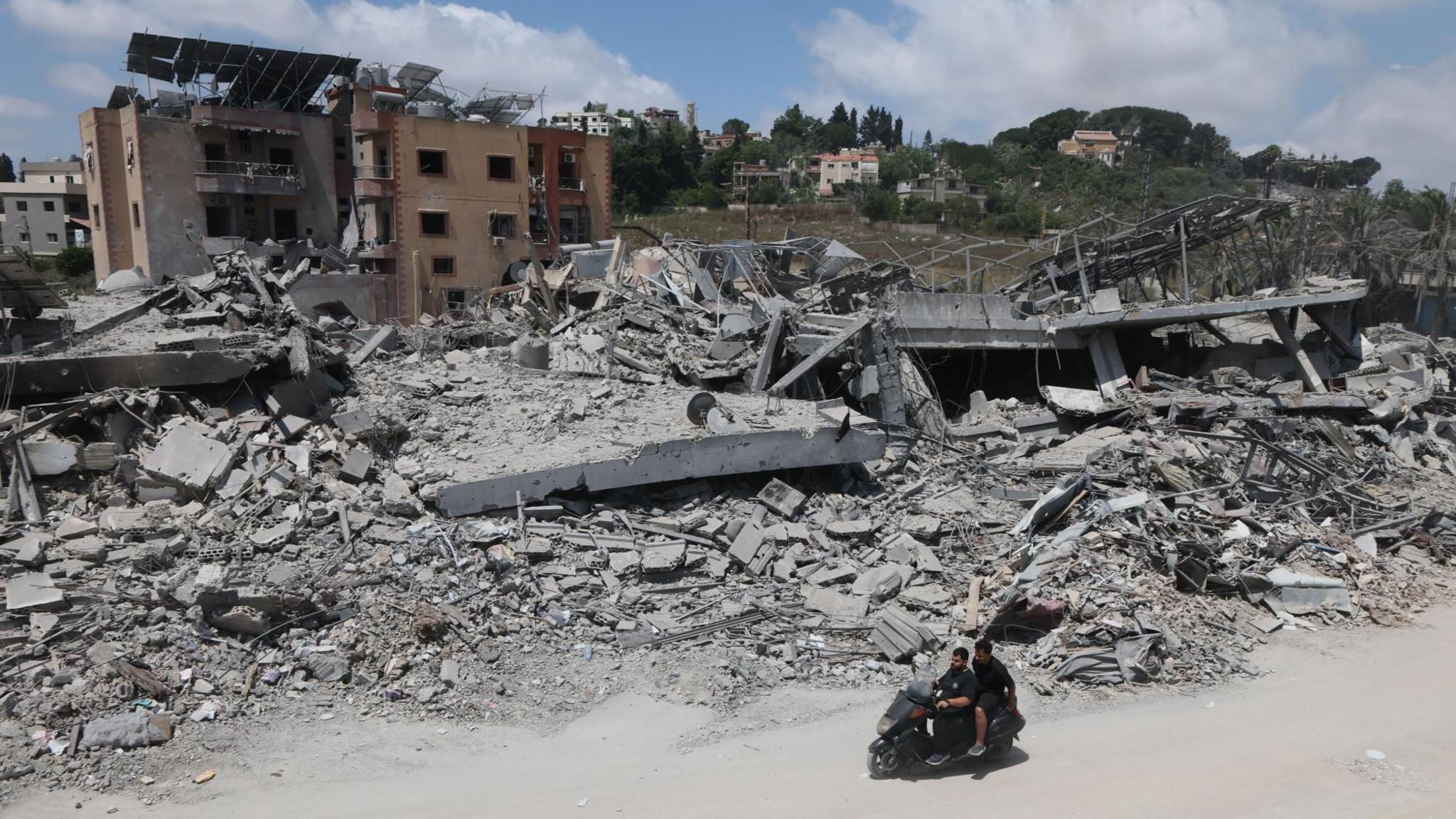
With Washington demanding a halt to Israeli strikes on Hezbollah in Lebanon, Netanyahu’s influence in Washington is sharply curtailed. Meanwhile, the deal forces him to confront the notion that Israel must stop offensive operations across all fronts, a move that threatens his hard‑line image and complicates the nation’s stance before the October election.
Even within his Likud coalition, figures such as Itamar Ben‑Gvir have publicly denounced the accord, declaring it a threat to Israel’s security. Media voices from both sides of the aisle have seized on the agreement to question Netanyahu’s effectiveness, linking his leadership to potential failure.
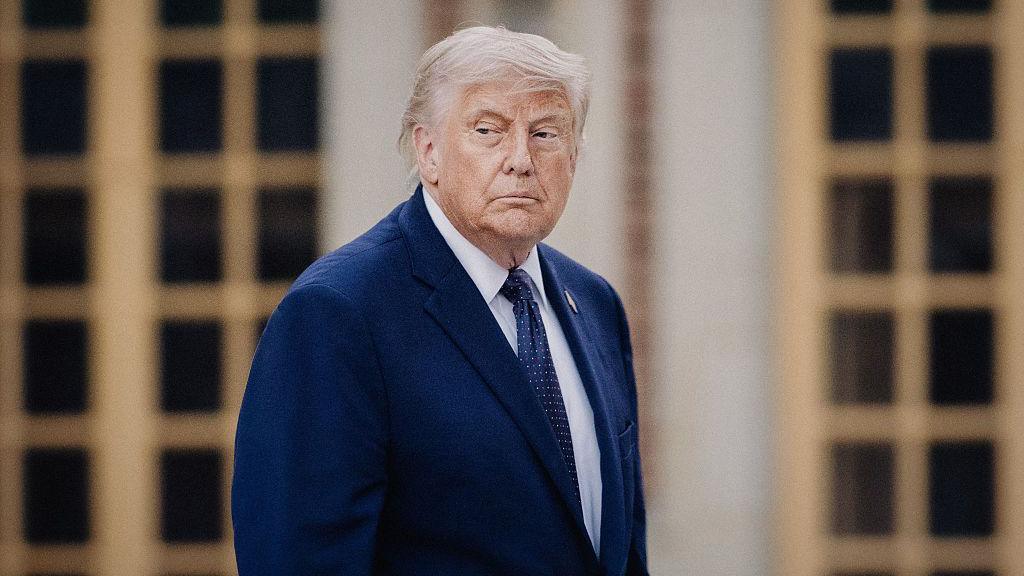
Netanyahu remains steadfast, assuring that his lifetime mission—preventing Iran from acquiring nuclear weapons—remains unchanged. He acknowledges policy differences with Trump over operational freedom, yet stresses Israel’s right to protect itself on the battlefield.
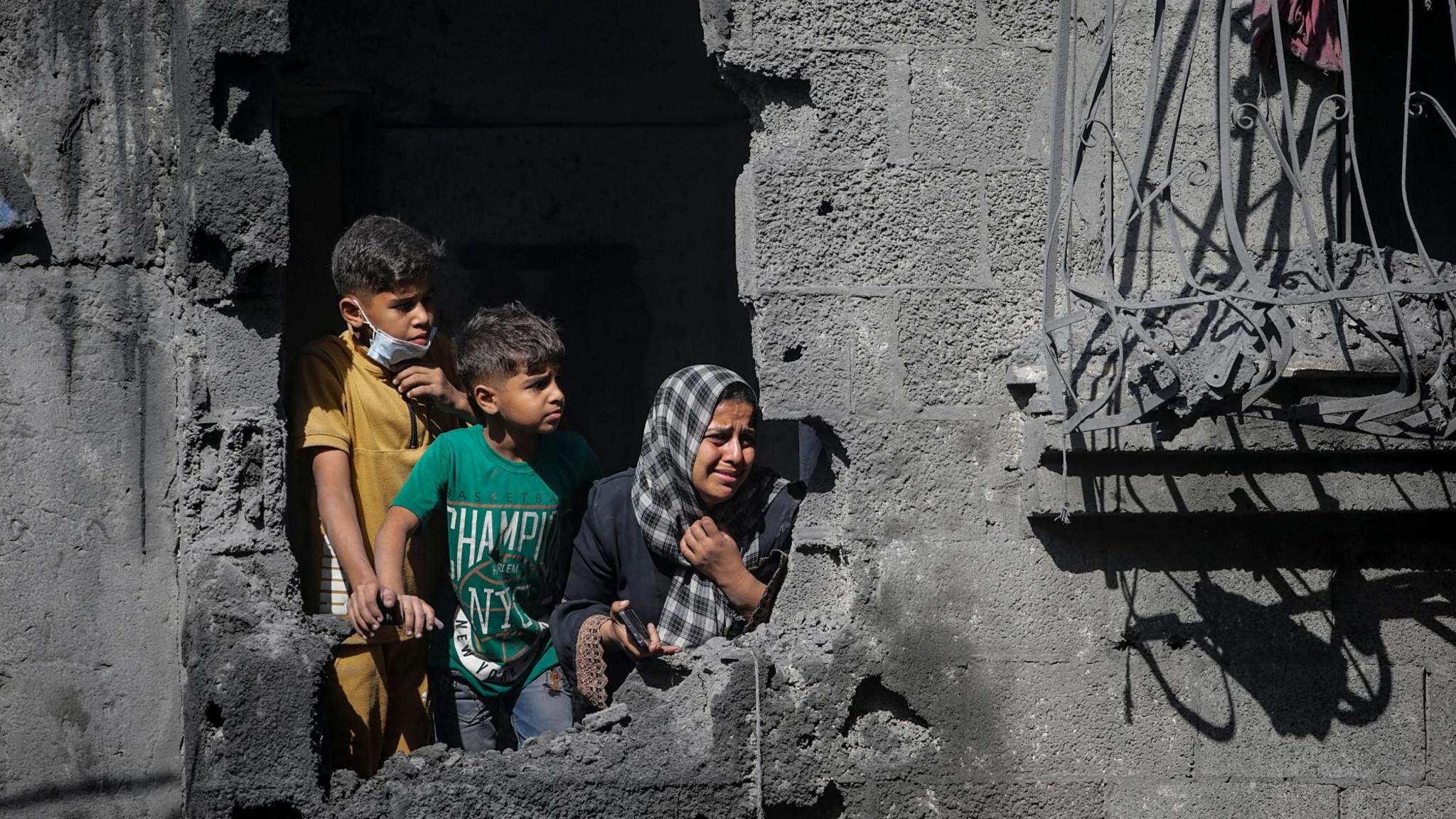
This ceasefire now places Israel in a precarious position: a military occupation of large swathes of Gaza, Lebanon and even parts of Syria stretches the country’s resources, while Tehran gains increased leverage over its ally—making Netanyahu’s next steps critical. A more realistic, restrained approach towards Iran may be inevitable before the upcoming elections, or the regime could shift power dynamics further to the benefit of Tehran, and the United States could find less influence in the region.