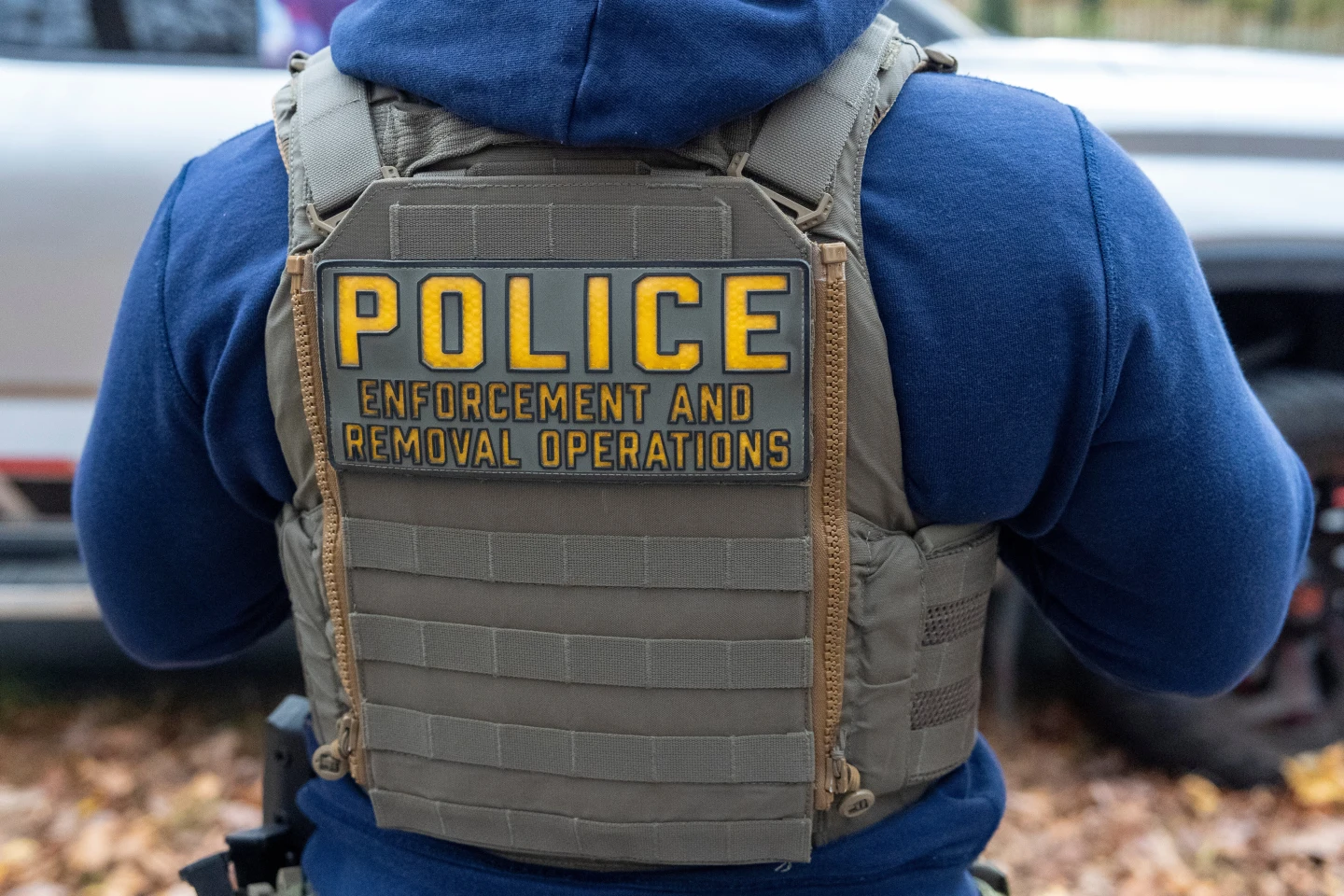
LOS ANGELES (AP) — A federal appeals court issued an order Wednesday blocking a California law passed in 2025 requiring federal immigration agents to wear a badge or some form of identification.
The Trump administration filed a lawsuit in November challenging the law, arguing that it would threaten the safety of officers who are facing harassment, doxing, and violence and that it violated the constitution because the state was directly seeking to regulate the federal government.
The 9th U.S. Circuit Court of Appeals issued an injunction pending appeal. Previously, it provided a temporary injunction to halt the law's implementation during the appeal process.
The measure was introduced amid growing concern over aggressive federal actions against undocumented immigrants, which reached a peak in Southern California. Advocates highlight issues linked to unidentifiable masked agents in workplaces and on the streets.
Another law proposed last fall aimed to ban law enforcement from donning masks and other facial coverings, which a federal judge blocked in February, noting it discriminated against federal agents.
During a previous hearing, Justice Department lawyers argued that the California law sought to regulate federal operations, thus breaching the Supremacy Clause of the Constitution.
The appeals court concluded that the law “attempts to directly regulate the United States in its performance of governmental functions,” as stated by Judge Mark J. Bennett.
California's legal representatives contended that the law treated all law enforcement officers equally and was essential for public safety. They argued that public confusion over anonymous immigration agents could incite violence against actual officers.
“This confusion has resulted in federal law enforcement officials being mistaken for criminals,” stated California attorneys in their argument. In October 2025, the FBI had warned of a rise in violence due to impersonators posing as ICE agents.
The court clarified that it did not evaluate the public safety claims since this case primarily focused on the violation of constitutional rights.
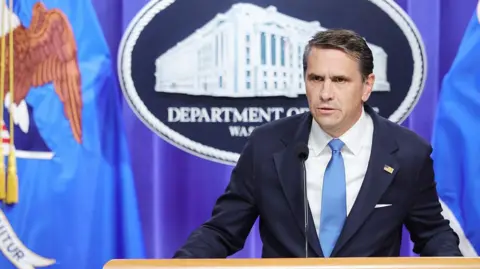
First Assistant U.S. Attorney Bill Essayli labeled the court’s decision a “huge legal victory," while California Attorney General Rob Bonta's office stated they are assessing the ruling, affirming the importance of governmental transparency during law enforcement activities.