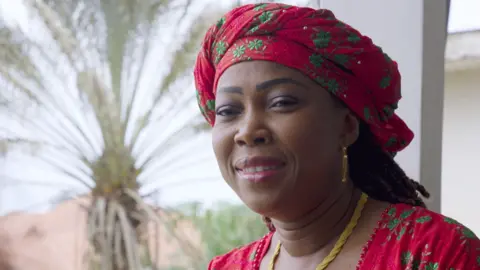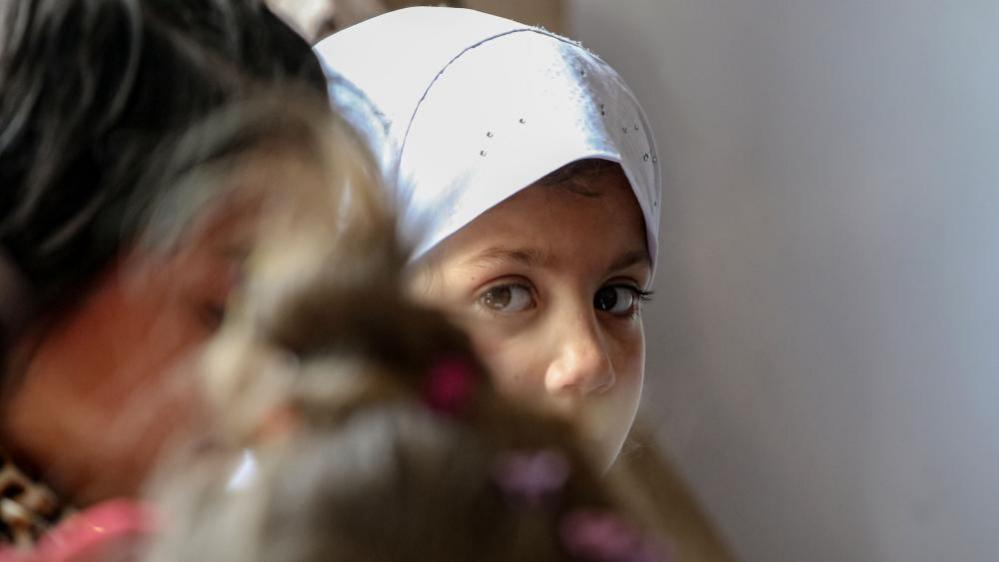
Afghan women are saying that their lives have become unrecognisable after the Taliban seized power nearly five years ago. They explain how the hard‑line Islamist group has systematically removed basic rights for the 22 million women and girls in the country.
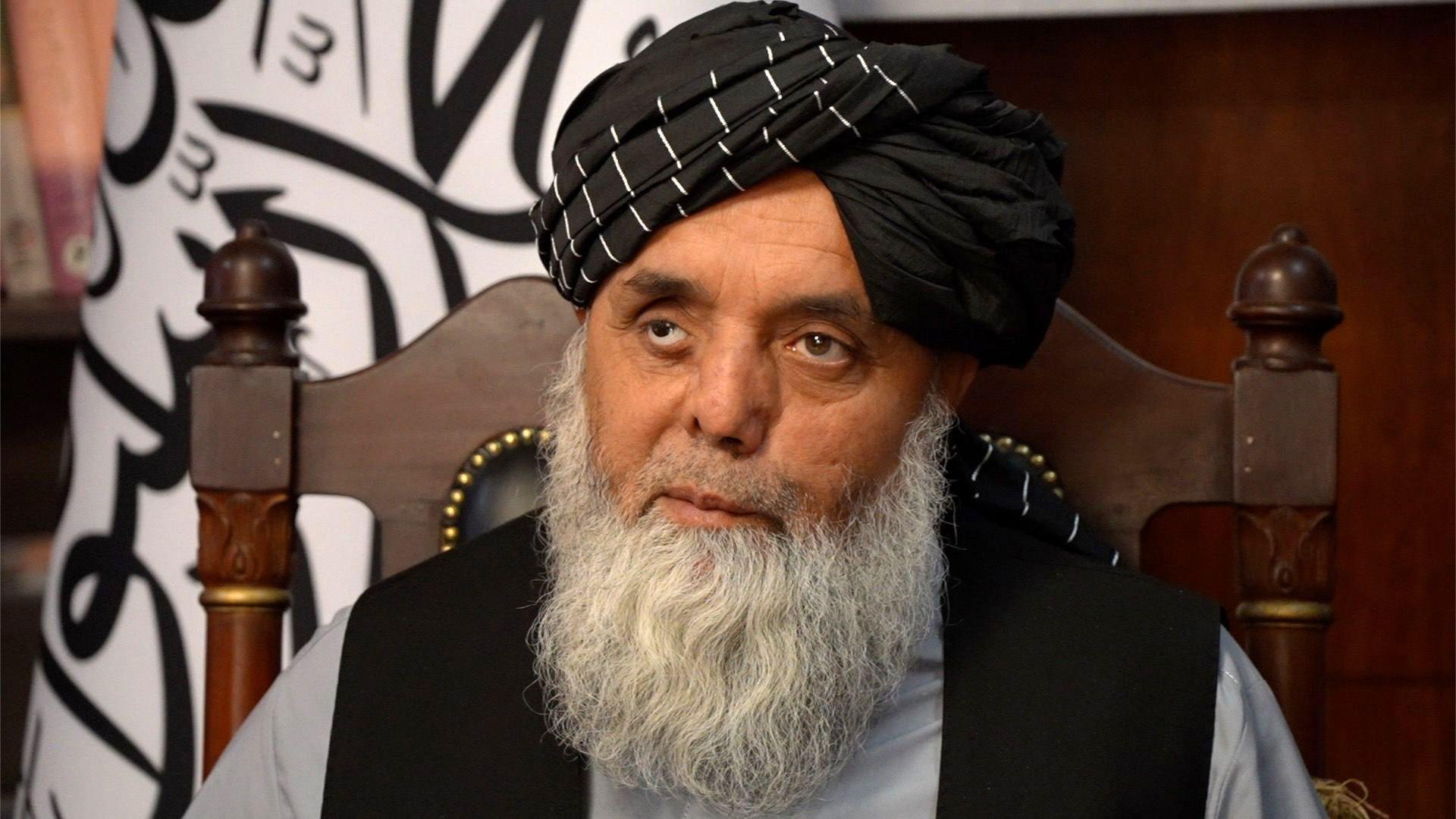
Key restrictions include banning girls over twelve from schools, requiring a male escort for any travel outside the home, and reinstating punishments such as flogging for alleged infractions. The Taliban’s foreign minister has claimed that “women are not totally restricted,” but women testify that these rules cut them off from education, work and even basic medical care.
Only about 7% of Afghan women are employed today, while academic sources say roughly 2.6 million girls cannot reach beyond Grade 6. The absence of female doctors has led to tragic deaths in maternity cases, and midwives like Marzia and Maryam describe the overwhelming grief they feel each day.
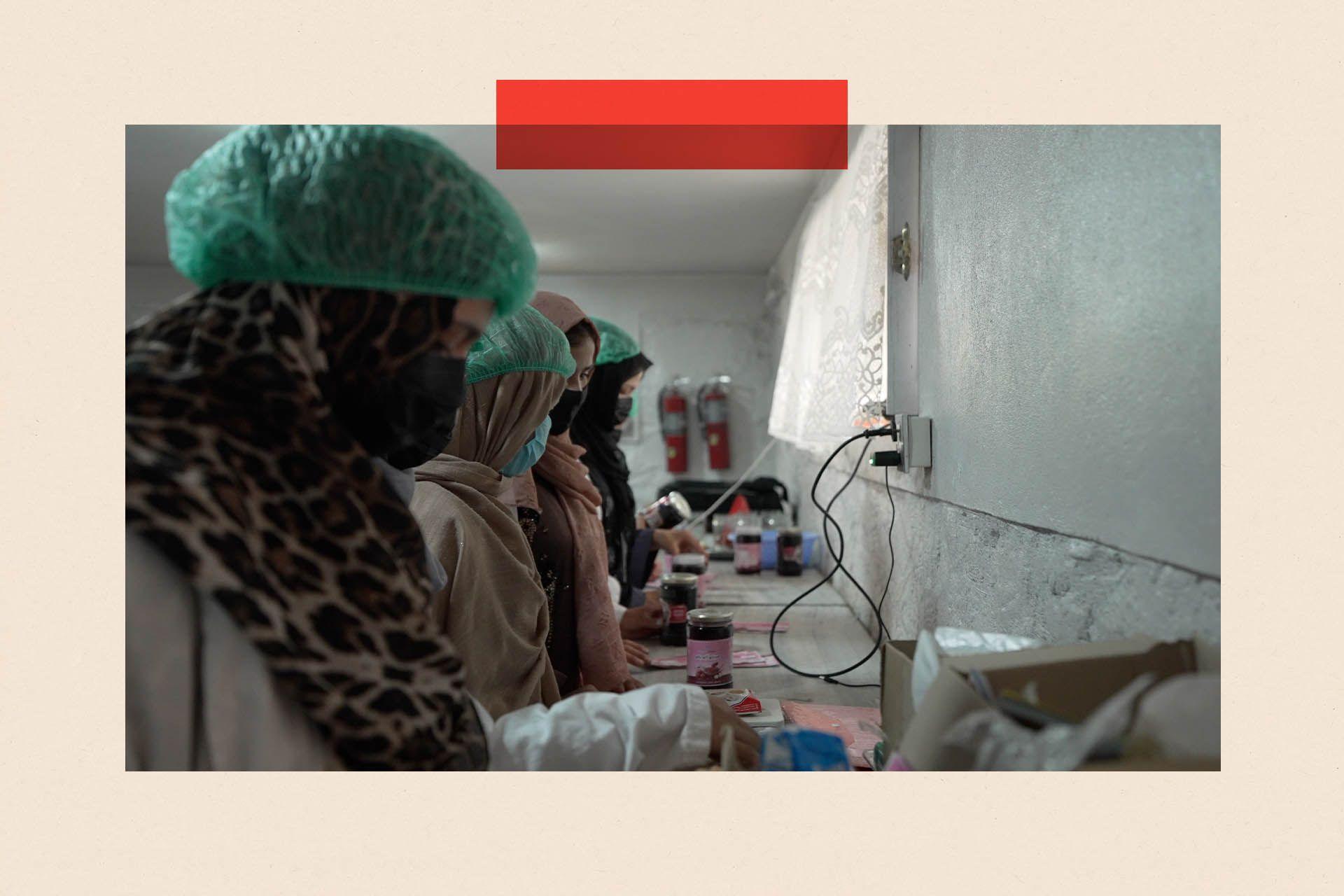
Amid the despair, several women share their stories of resilience. Shakiba, an 18‑year‑old jewellery maker, registered her entire secondary education online and dreams of becoming a pilot still burn inside her. A 13‑year‑old named Asma insists she will become a doctor one day, while Noori, 24, left her studies when the shift of power came and now runs a small jam‑making business that employs ten women.
In interviews, nine of the women noted the daily weight of poverty. “Today survival is the priority,” says Ela, a dental assistant in Kabul; “we no longer have time or energy to think about the future.” Yet many still urge the global community to keep speaking out for Afghan women’s rights and to push for educational and employment opportunities.
This article comes from BBC Afghan Service reports that are among the few still accessing Afghanistan, making it a vital voice for women who otherwise have little chance to share their stories. The voices have been silenced in part by fear of reprisals, so many women are named only by number or pseudonym.