In brief
Former Ukrainian commander‑in‑chief Oleksandr Syrskyi claims that Russia’s offensive capability has been broken, citing high Russian casualties and Ukraine’s use of advanced drones and unmanned systems. He blames supply mismanagement and tech shortages under the former defence minister for the Ukrainian dismissal. Syrskyi cites intelligence estimates of six to eleven times more Russian killed, while ISW data shows Russia losing more territory than it captured in September. The ex‑general also underscores the strategic significance of the 2024 Kursk incursion and urges European allies to prepare for a more technology‑driven future war. His remarks highlight the stark imbalance on the battlefield and the pivotal role of drones in Ukraine’s defensive strategy.
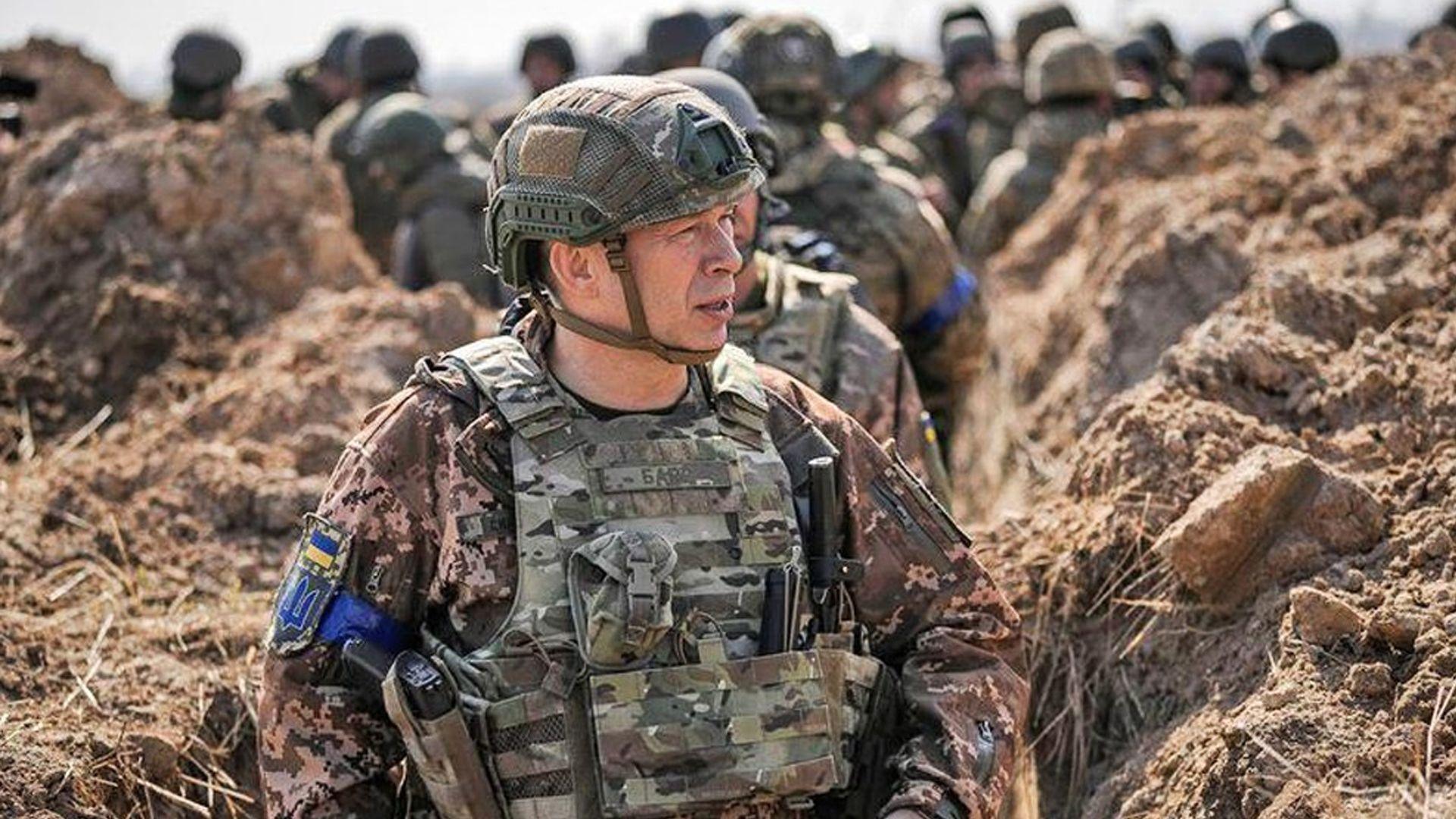
Gen Syrskyi, pictured in Donetsk region in April 2026, lost his job over the summer after a public disagreement with the defence minister.
In a stark BBC interview, former Ukraine commander‑in‑chief Oleksandr Syrskyi blamed the stalled Russian advance on massive Ukrainian battlefield successes and advanced unmanned technology. He said Russia’s losses are “six times higher … and if you count only deaths, up to eleven times.”
Syrskyi cited UK intelligence estimates of roughly half a million Russian soldiers killed since 2022 and CSIS reports of about 150,000 Ukrainian fatalities by mid‑2026. These figures, he argued, illustrate a higher casualty ratio, coupled with Ukrainians’ superior use of drones and new Unmanned Systems Forces.
He described how, in the first half of 2026, Russia managed only 61 square kilometres of new territory, a sign that the front line had stabilised. An Institute for the Study of War (ISW) assessment reported that in September Russia lost more land than it captured, reinforcing the claim of a stalemate.
Syrskyi highlighted the role of drones in Ukrainian operations, noting that deep strikes more than 2,000 kilometres behind enemy lines had become a new norm. He warned that such systems now account for the majority of Russian casualties.
The former commander also faced criticism for chaotic withdrawals from Avdiivka, Vuhledar and around Pokrovsk, where soldiers said orders to hold positions were given at the last moment. While denying deliberate mistreatment of troops, Syrskyi remarked that Ukraine is fighting a far more capable army, with Russia fielding 18‑to‑1 advantage in air assets and a 2½‑to‑1 superiority in artillery.
He defended the 2024 Kursk incursion, calling it a “necessity” that disrupted the Russian offensive and forced Moscow to divert forces, giving Ukraine breathing room to reorganise.
Syrskyi urged European allies to drop “illusions that the war will not come” and to prepare for an increasing emphasis on robotics, automated systems, and artificial‑intelligence–enhanced weapons. He added that active protection systems for armoured vehicles would play a pivotal role, even as the human element in warfare remains decisive.