In brief
Following a brief series of discussions in Oslo and St Petersburg, the prospects for a swift end to the Ukraine war remain slim. Norwegian Prime Minister Jonas Gahr Støre lauded the talks as "good and constructive", yet Kremlin officials were reluctant to join a joint summit with Kyiv and Washington. U.S. envoy Steve Witkoff admitted further work is needed while promising continued commitment. Russian adviser Yuri Ushakov dismissed the talks as largely ineffective, underscoring Putin’s confidence in a strong position. The meetings illustrate the disconnect between Western expectations and Moscow’s strategic calculations.
After two days of diplomatic talks in Oslo and St Petersburg, is the war in Ukraine any closer to ending?
Norwegian Prime Minister Jonas Gahr Støre described the conference with U.S. President Donald Trump’s special envoy, Steve Witkoff, and EU representatives as "good and constructive".
In Oslo the notion of a trilateral summit at the leaders’ level was put forward, hoping Witkoff’s Russian visit would pave the way for President Vladimir Putin, President Volodymyr Zelensky, and Vice‑President DeNisco to agree on ending the fighting.
However, Putin has shown little willingness to share a meeting table with Zelensky unless it is set in Moscow.
The Kremlin stated it might resume technical-level talks in Abu Dhabi next month, but a front‑line leadership summit appears unlikely.
Witkoff himself noted on X that "there is still important work to do," yet claimed Trump remains committed to ending the war, a promise that met little enthusiasm from the Russian side.
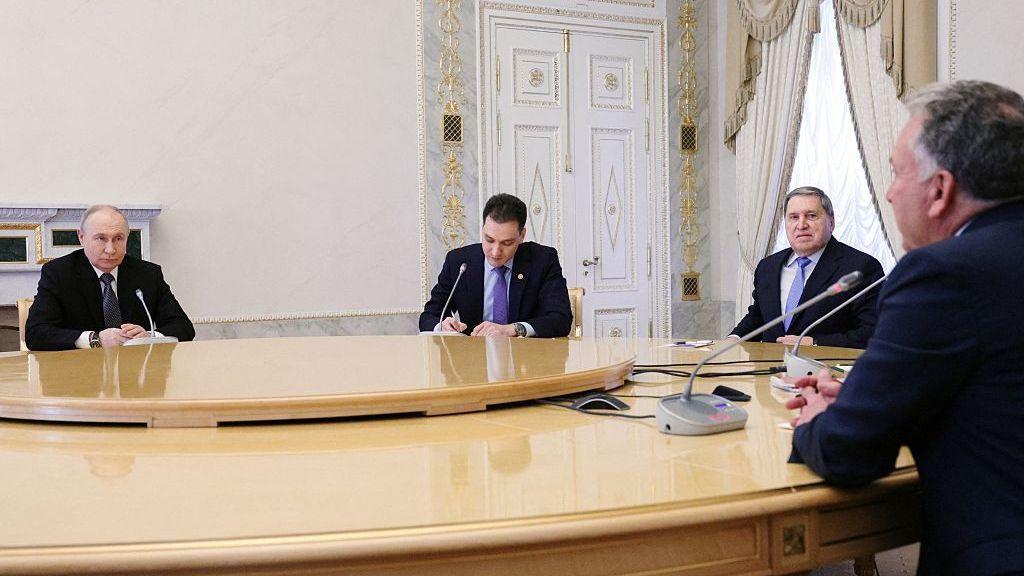
Russian foreign policy aide Yuri Ushakov, also attending the St Petersburg discussions, reported that Witkoff framed the Oslo talks as a chance for "new European and Kyiv approaches," a stance the Kremlin dismissed as largely useless for resolving the crisis.
During a later interview on state television, Ushakov said he was unsure how close the parties were getting, calling the progress vague and indicating that Putin feels less pressure to conclude the conflict now.
Putin is aware that Ukraine’s anti‑air defenses are under severe strain, that winter is approaching, and that Washington is looking for a profitable new relationship with Moscow – factors he may use to his advantage.
Meanwhile, Trump has temporarily lifted some sanctions on Russia, agreed to purchase Russian diesel, and criticized Zelensky, which has arguably eased Kremlin pressure.
Russian MP and TV anchor Evgeny Popov praised Trump’s approach as the only Western effort for peace, though he warned that it would be on Russia’s terms.
Even though a Pope‑Ukraine‑U.S. summit seems improbable, talks involving Putin, Trump, and Xi Jinping could take place in China next month at the APEC summit, potentially reshaping the global power map.