In brief
In Ethiopia’s Afar region, camel herders report blistered feet, watery eyes and deadly heat stress that has already killed eight calves in a single month. Scientific studies confirm that temperatures above 50 °C are eroding the animal’s natural resilience, affecting milk yields and reproductive health. Across the Sahara, mortality rates have reached 73 % in some pastoral communities, prompting herders to abandon traditional grazing grounds. Experts warn that loss of shade, water and vegetation will make camel herding untenable unless widespread adaptation measures are implemented. As the continent faces another generation of extreme heatwaves, the resilience of these “ships of the desert” is increasingly under threat.
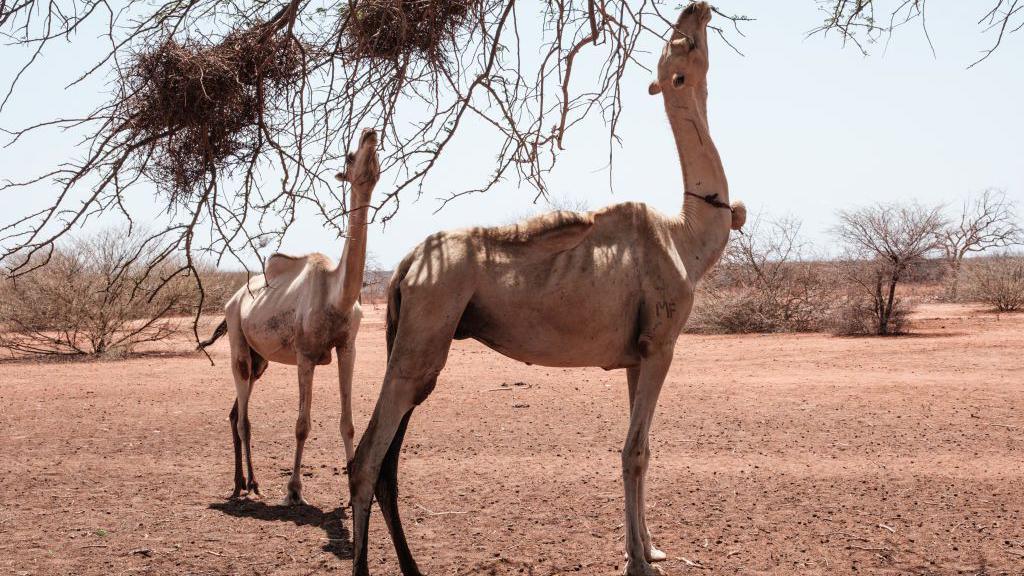
A recent surge in temperatures across Ethiopia’s Afar region is taking an unprecedented toll on the region’s most iconic livestock. Camel herder Ali Umer, who owns around five hundred animals, says his herd has suffered blisters, watery eyes and a painful loss of calf. "Within the past month I have lost eight camel calves because of the extreme heat," he told BBC, adding that even the cooling wind now carries threatening heat.
Scientific research and on‑ground veterinary reports confirm that extreme heat is the primary driver of camel mortality, with heat stress increasing infections and decreasing milk yield. A 2025 survey of southern Ethiopian herders found that climate variability had jammed camels’ health, productivity and reproductive performance. In Somali districts, recent studies report a 46 % camel‑owner mortality rate, with Sool province suffering a staggering 73 % loss.

Beyond heat, the drought has removed water sources, vegetation and shade that once buffered camel herds. Veterinary officer Hassan Nuya Guyo of Kenya’s Marsabit county reports a 15 % rise in camel deaths over the last two years as a result of heat‑induced hyperthermia and subsequent infections.
Experts warn that when temperatures surpass 41 – 45 °C, camel immune systems are compromised, muscle and bone health deteriorate, and reproduction falters. The World Meteorological Organization reports North Africa recorded the fastest warming of its subregions, with a 0.43 °C per decade rise since 1991.
The combined pressures of rising temperatures, water shortage and lack of veterinary support have forced herders in Ethiopia to relocate camels from historically productive northern zones to the south where conditions remain comparatively stable. Farmer‑scientist Daniel Gelan notes that this shift is not seasonal but a lasting change. The situation mirrors a similar out‑migration in North Africa, where climate‑assisted interventions such as strategic water provisioning, supplemental feeding and disease monitoring are urgently needed.