Forced to call him 'Dad': Trial over sexual abuse in disabled care home shocks South Korea
"I was hurting inside, so I came to tell my story," an abused woman named Seo Mi‑hyeon told police when she finally spoke up after ten years of sexual assault.
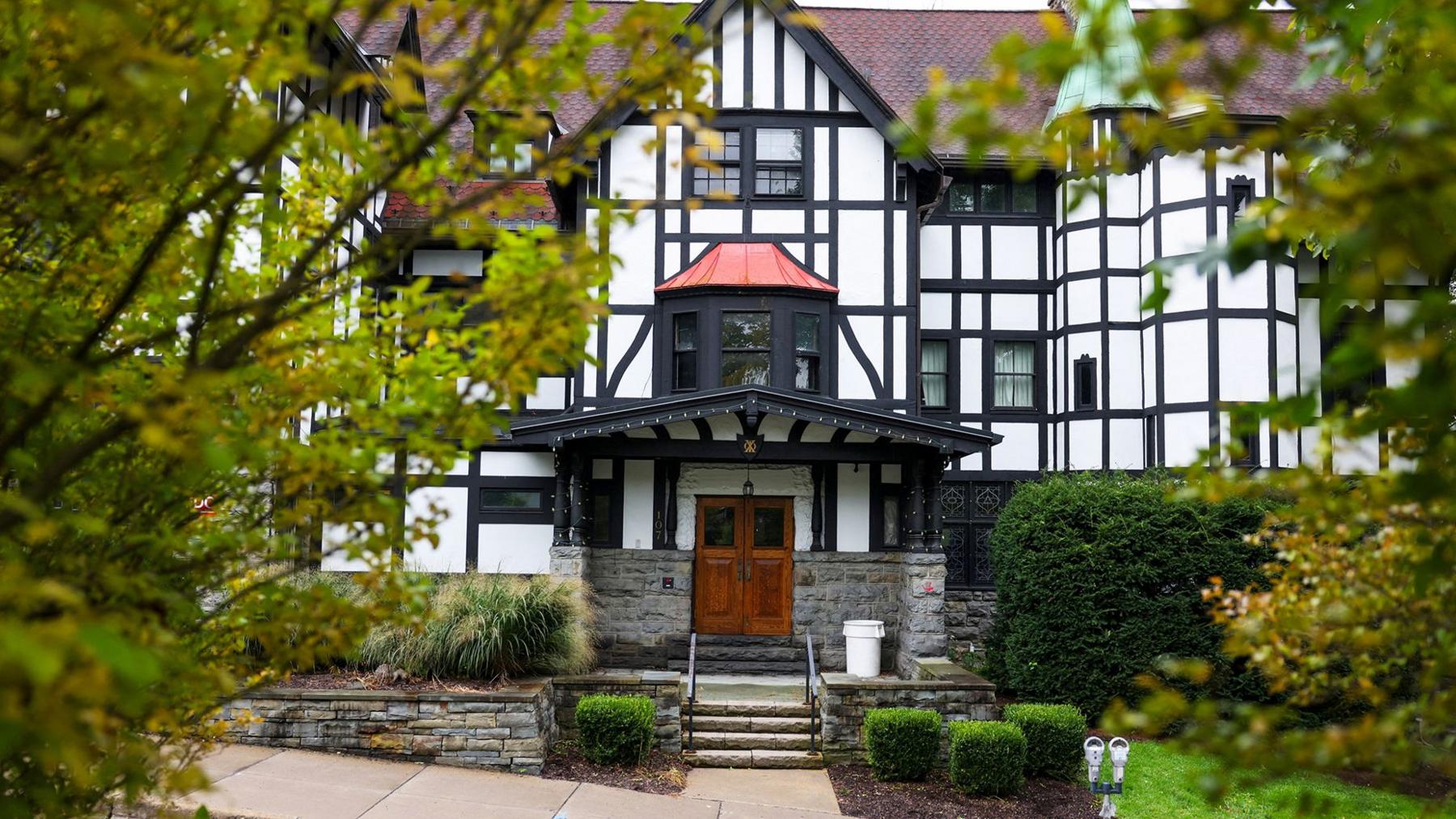
Seo, an intellectually disabled resident, could only communicate with short gestures and words, yet her memories of abuse were vivid. She said that the director of Saekdongwon, a state‑run care home in Incheon, secretly visited her at night to rape her and even forced other residents to call him "Dad" as a sign of subservience.
What the Investigation Uncovered
The court, after gathering testimony from other residents, found at least two more survivors and convicted the director of rape for two victims, sentencing him to 15 years in prison. He appeals the judgment. For a third victim, the conviction was downgraded to a lesser sexual violence charge because the court could not find evidence of force or threat that overcame the victim’s resistance.
Critics argue that the inability of residents to articulate their experiences should not decide how severe the punishment can be. Disability‑rights groups demanded that investigators look beyond verbal testimony and consider non‑verbal indicators of abuse.
Systemic Failures and Public Reaction
The case unfolded almost a decade after South Korea passed stricter laws targeting abuse of disabled people, including removing a statute of limitations for certain rape cases. Yet Saekdongwon’s abuse continued despite ongoing inspections by local authorities that focused primarily on paperwork.
Public outrage has prompted the Prime Minister to establish a cross‑government task force. In April 2025, authorities inspected 1,507 facilities nationwide and opened investigations into eight of the most serious cases.
Looking Forward
Ganghwa County has ordered Saekdongwon to shut down and revoked the license of its operating foundation, but the closure will be deferred until all residents are relocated safely. The facility has filed an administrative lawsuit challenging the revocation.
Survivor Seo Juna, now freed from the care home, says she feels at peace and hopes for a future where disabled people can live without fear of sexual violence. She urges society to build safe, independent living arrangements for them.