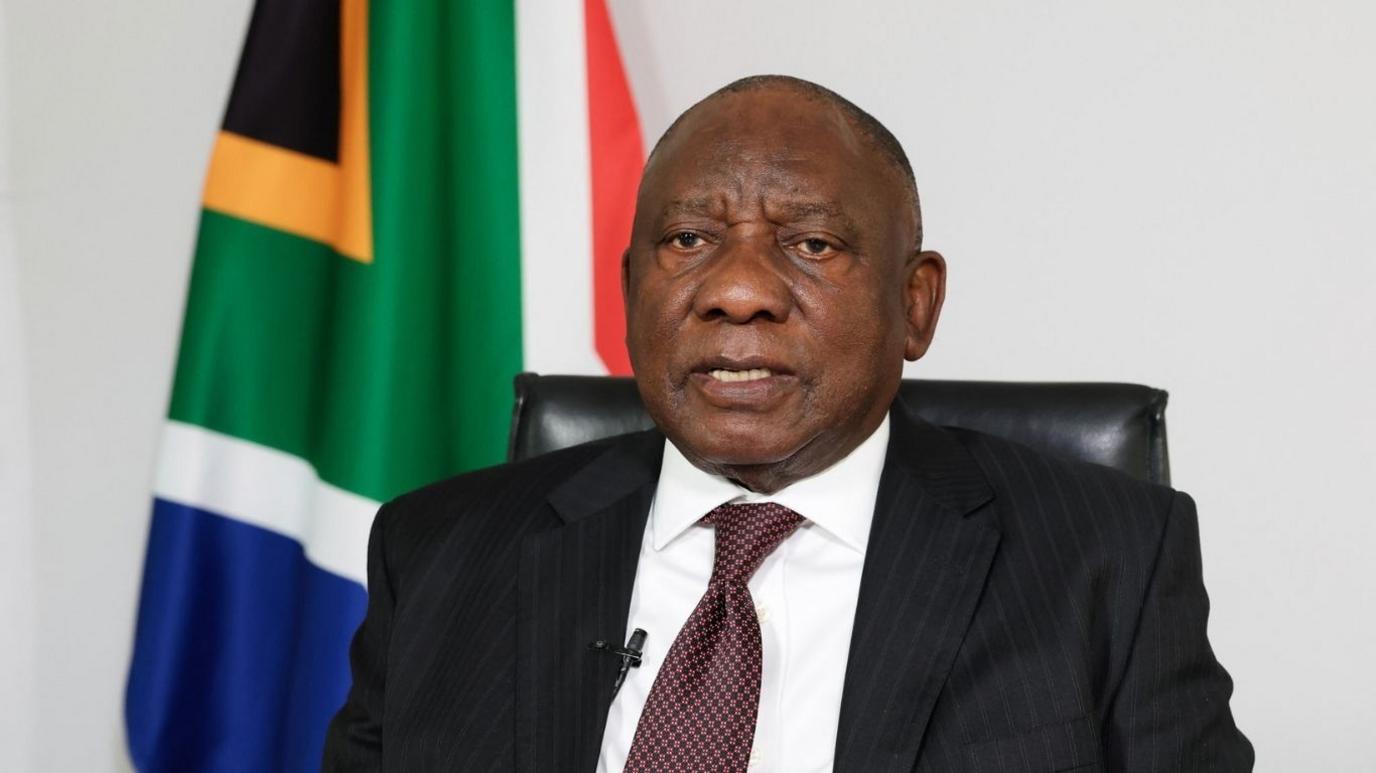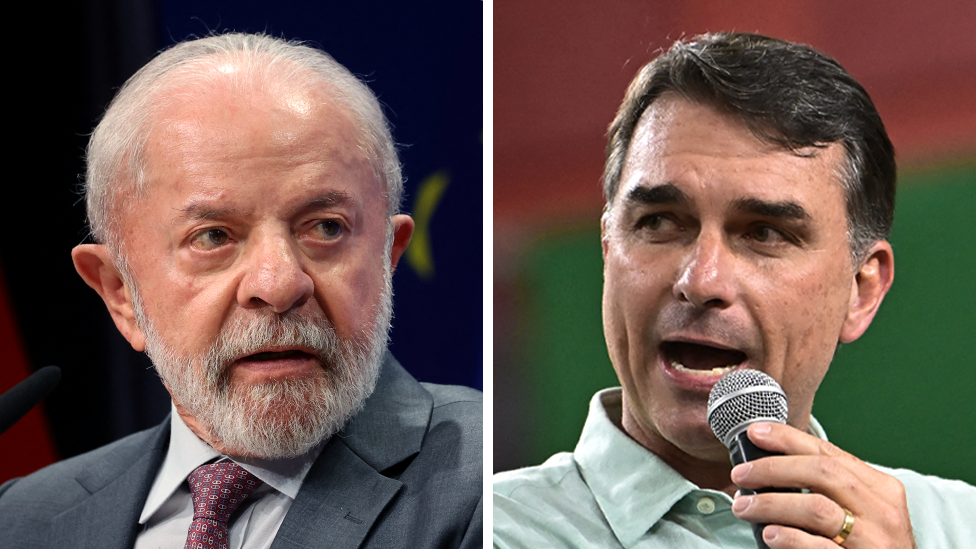

On Sunday, over 160 million Brazilians will head to polling stations across the country to decide who will lead the world’s sixth‑largest economy. Over twelve candidates have filed, but only two — left‑wing Workers’ Party icon Luiz Inácio Lula da Silva and right‑wing Liberal Party front‑runner Flávio Bolsonaro — float in the 40‑percent range in the latest BBC Brasil poll tracker.
Who is Lula? A legacy of poverty reduction and a controversial presidency
Lula, 80, first governed from 2003 to 2010, abolishing extreme poverty through Bolsa Família, a cash‑transfer scheme that lifted millions. After a 18‑month prison stint for alleged corruption, his convictions were annulled in 2021 and he won the 2022 election by a slender margin. His third term promises a ‘clean‑energy’ future with oil revenues, and a low deforestation record in 2026, though critics point to increased fossil‑fuel drilling near the Amazon mouth.
Flávio Bolsonaro – the son stepping into a shoestring of politics
At 45, Flávio brought a tough‑on‑crime platform to the Senate, backed by expunged and converted firearms laws. He remains aligned with his father’s populist base, courting evangelical voters and farmers while also courting US right‑wing circles, promising membership in America’s “Shield of the Americas” alliance. Yet his candidacy is marred by a banking fraud investigation that connected him to the illicit financing of a biopic about his father.
The shadow of Jair Bolsonaro: deep‑fake and legal woes
Though Jair Bolsonaro, former president, does not stand in the race, a deep‑fake video of him endorsing Flávio appears in campaign launch footage. Legal counsel denied authorisation, but the AI avatar signals lingering influence. Meanwhile, Jair’s conviction for a coup plot and a 27‑year sentence have meant he remains under house arrest, shackled by restrictions on public communication.
What voters worry about now
Crime rates have long been top of the ballot, but a high‑profile banking fraud case has shifted public focus toward corruption. The scandal led to investigations of Flávio’s alleged money‑laundering ties; it also rattled Lula off by linking a court justice to the defendant, creating an atmosphere of judicial distrust. Pollsters report 9% of voters remain undecided or plan to spoil their ballots, potentially altering the expected runoff.
The road to the ballot box
Brazil requires voting for people aged 18‑70 who can read, with fines for those who abstain. The election’s outcome hinges on parties’ mobilisation of a vast, diverse electorate and on how effectively candidates clear the cloud of scandal that now hangs over the ballot paper. Whether Lula wins a third term or Flávio claims a right‑wing victory will set the tone for Brazil’s political future and its path through domestic reform and foreign relations.