Indiana state senators are on the brink of a pivotal vote concerning redistricting, spurred by significant pressure from President Donald Trump. The proposed congressional map aims to secure Republican dominance in the state's upcoming elections, yet its fate remains in the balance as support among state lawmakers falters.
Despite personal appeals and threats from the White House, many Indiana Republicans are hesitant to endorse a new congressional map that aims to bolster GOP prospects in the 2026 elections. Redistricting in the middle of the decade is uncommon and viewed with skepticism by some lawmakers.
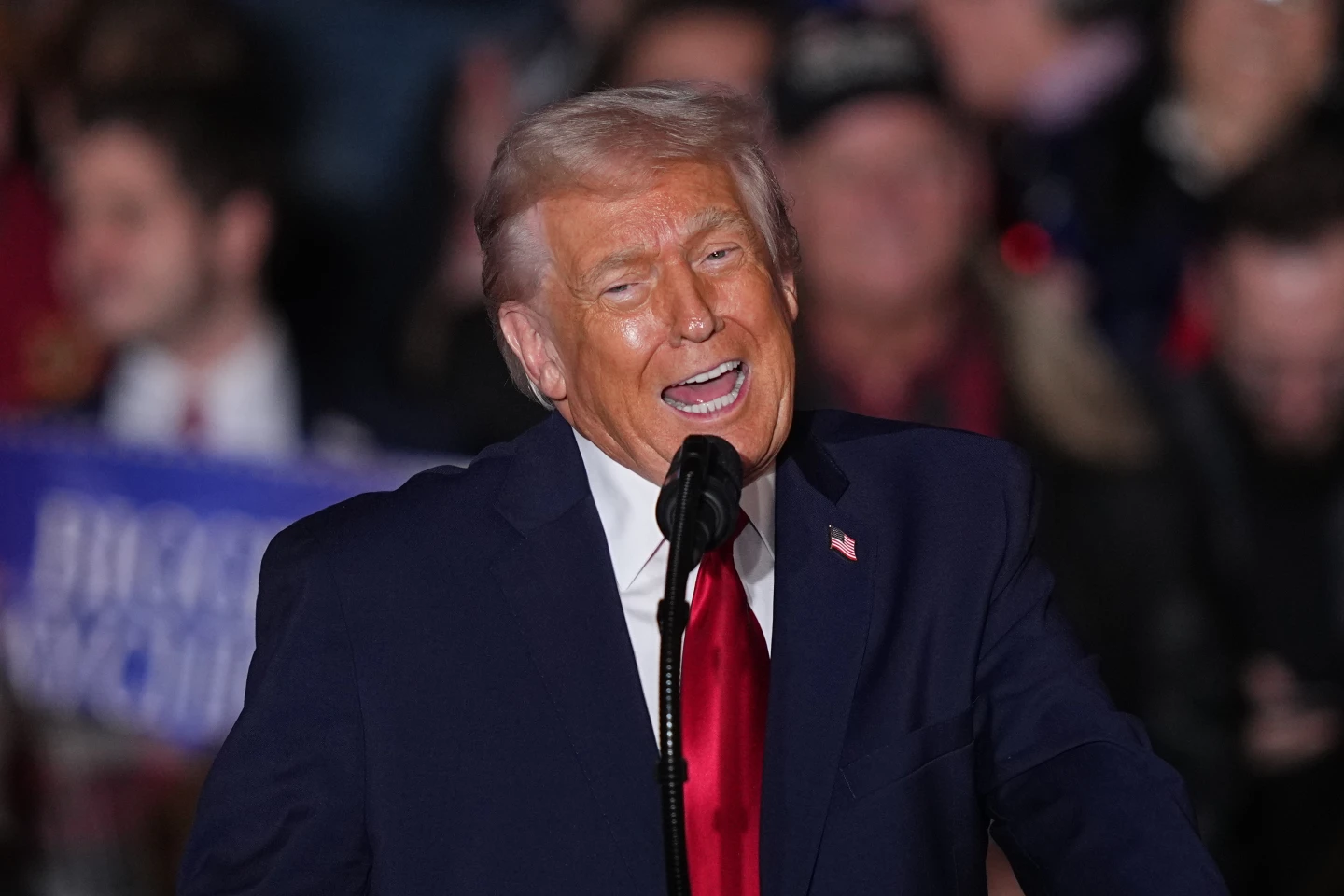
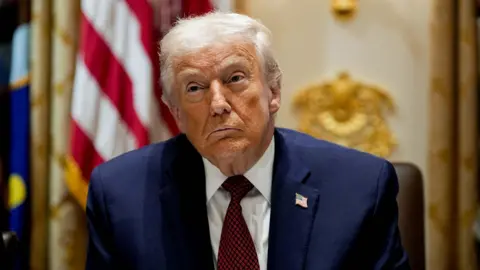
President Trump has publicly criticized party members who resist the redistricting effort, insinuating that failure to comply with his directives could result in primary challenges. His push for a GOP-aligned map reflects concerns that midterm elections traditionally favor the opposing party, increasing the stakes for Republicans.
The new map could potentially split Indianapolis into four congressional districts, with significant portions of rural Indiana included. This strategic move is designed to help Republicans capture all nine congressional seats in Indiana, further consolidating their control.
In the past week, the supermajority in Indiana's House passed the proposed map after a contentious debate. However, uncertainty lingers in the Senate, where crucial votes from a dozen undecided lawmakers could either affirm or reject the plan.
With the looming deadline, Republican leaders require at least 25 votes for the proposed map to pass. A failure would be a considerable setback to Trump's influence and a surprise outcome given the party's supermajority.
As the political landscape shifts, multiple Republican factions threaten to back primary opponents for those who oppose the redistricting move. The outcome in Indiana could set a precedent for similar efforts across the country, further heightening the tension between party leadership and grassroots sentiments.