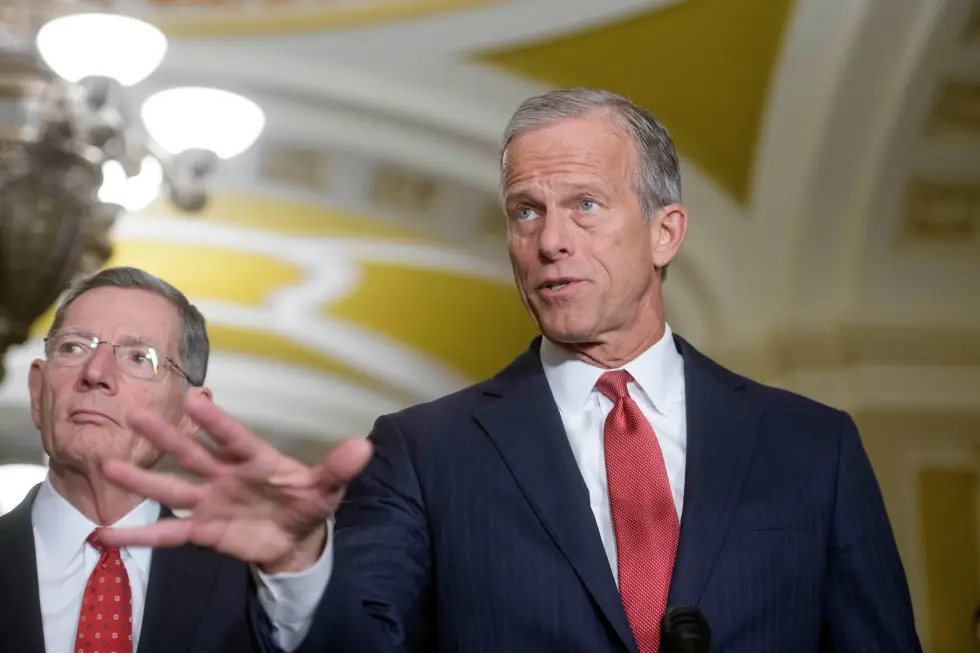
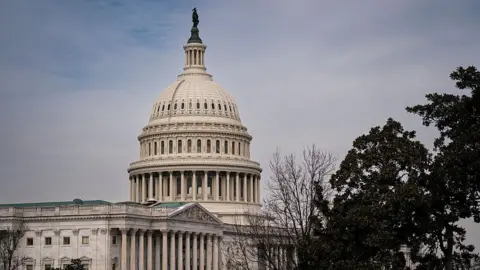
With the midterm elections looming in 2026, a wave of announcements from Congress members signals a changing landscape in U.S. politics. A mix of retirements, resignations, and ambitions for higher office have emerged from both major parties, highlighting the shifting dynamics in the House of Representatives.
The midterm elections traditionally present challenges for the party holding the presidency, and the Republicans, holding a narrow majority, are particularly focused on how these departures could reshape their strategies to maintain control. For Democrats, however, these retirements represent a chance to reclaim power in the House.
Influential figures like Rep. Troy Nehls (R-Texas) and Rep. Nancy Pelosi (D-California) have announced their exits, sparking discussions about the implications for their respective party leaderships. Nehls, after three terms, shared his plans to retire and endorsed his brother as his successor, while Pelosi, a long-time powerhouse in the House, expressed her intention to leave after nearly 40 years in Congress.
Moreover, numerous members are signaling aspirations for gubernatorial spots, with Rep. Eric Swalwell (D-California) and Rep. Wesley Hunt (R-Texas) both entering the race for their state's governorships. This trend seems to indicate a strategic shift as lawmakers look to leverage their congressional experience in higher political roles.
The ongoing pattern of retirements can be a barometer for the upcoming elections, shedding light on potential shifts in power dynamics on Capitol Hill and igniting interest among political analysts and constituents alike. As announcements continue to unfold, the electoral landscape will become clearer, setting the stage for intense campaigns ahead.