How Drunken Consent Challenges New York’s Voluntary‑Intoxication Loophole
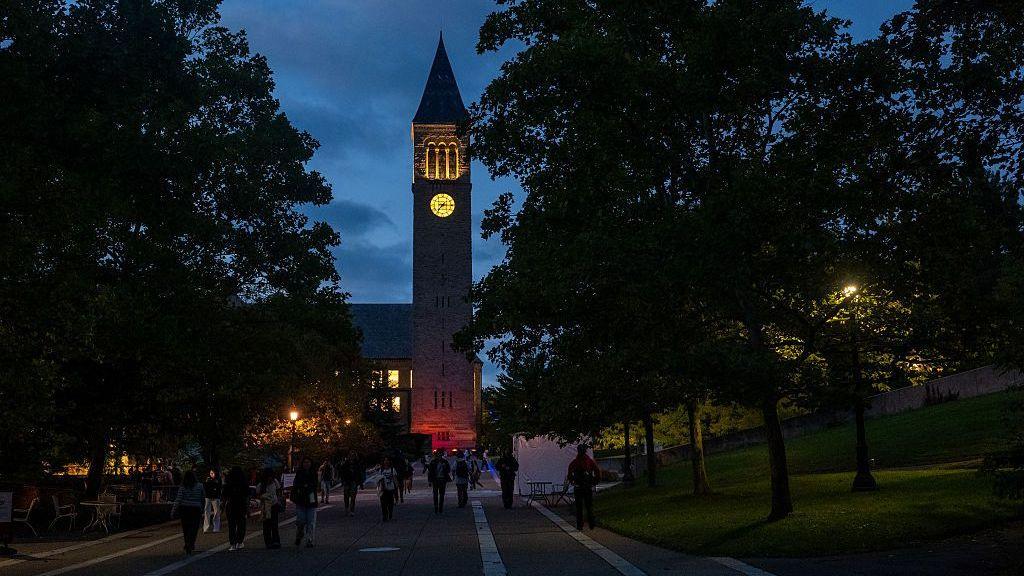
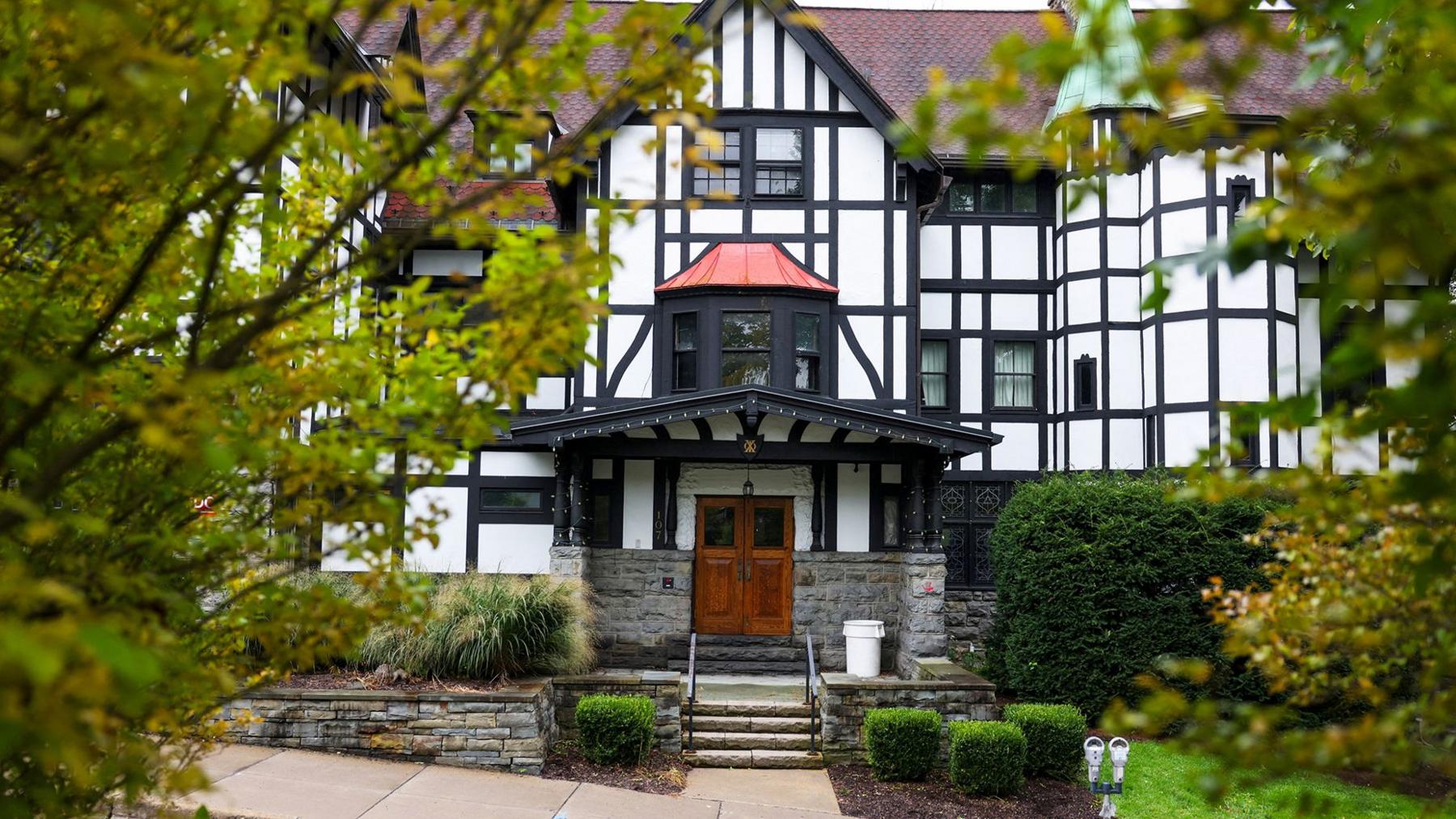
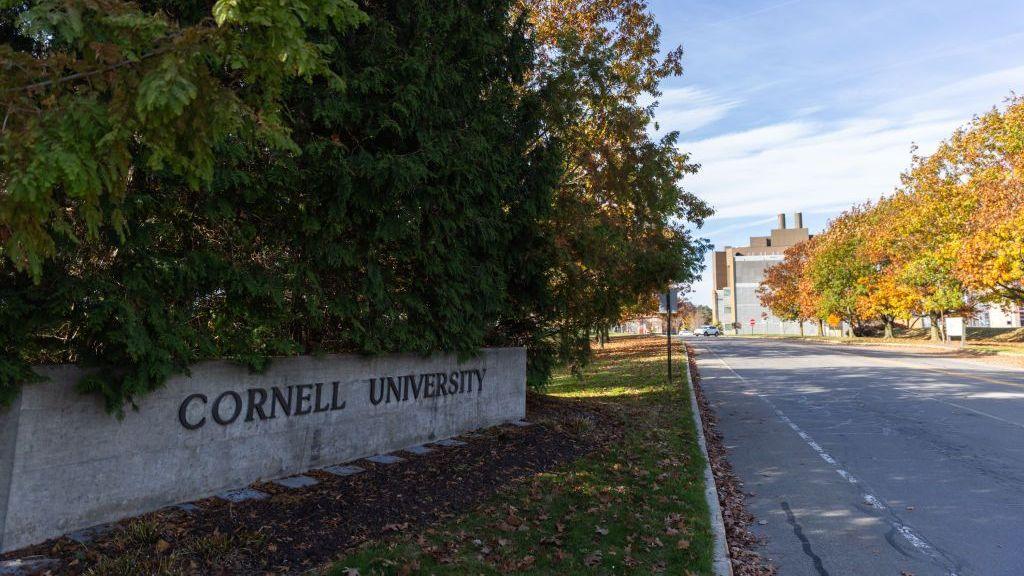
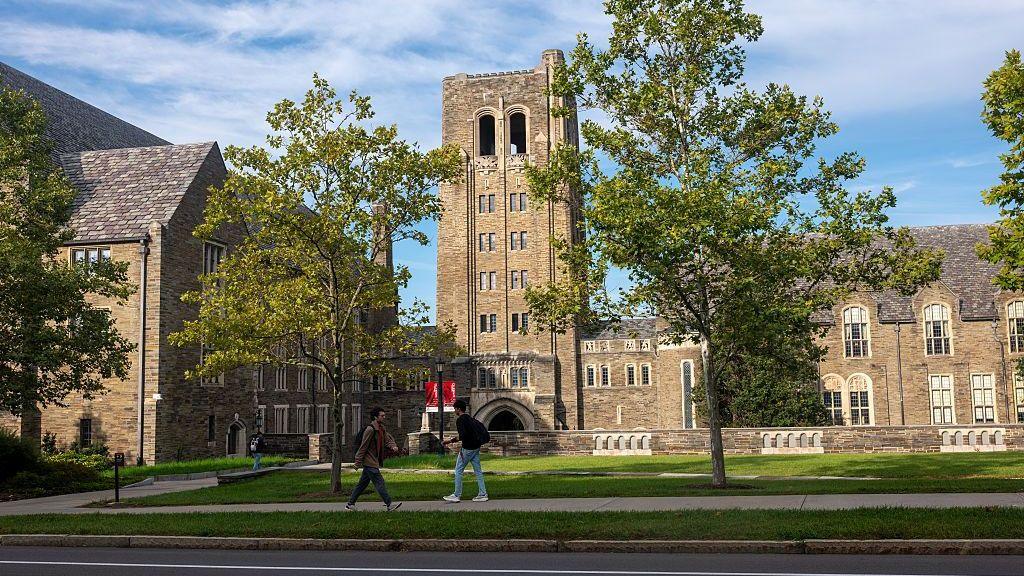
A lawsuit filing on behalf of a Cornell University student has sparked debate over New York’s approach to intoxication and sexual consent. The claim alleges that the student was drugged and raped in a fraternity house after a night of drinking.
The Case in Brief
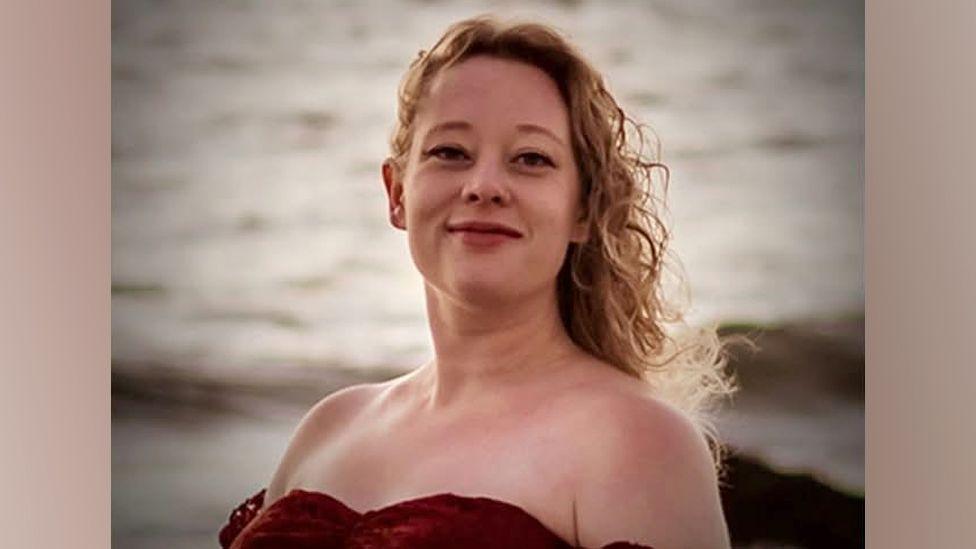
The victim, identified only as Jane Doe in the court documents, says she was under the influence of alcohol and a drug before entering the fraternity. Her account states she could not give consent during the alleged assault because of her intoxicated state.
Legal Interpretation of Intoxication
Current New York statutes do not automatically render a voluntarily intoxicated person incapable of consent. Instead, they demand proof that the individual was so incapacitated that they could not physically communicate a refusal. This higher threshold has led experts to argue that the law does not adequately protect those who choose to drink or use drugs.
Calls for Reform
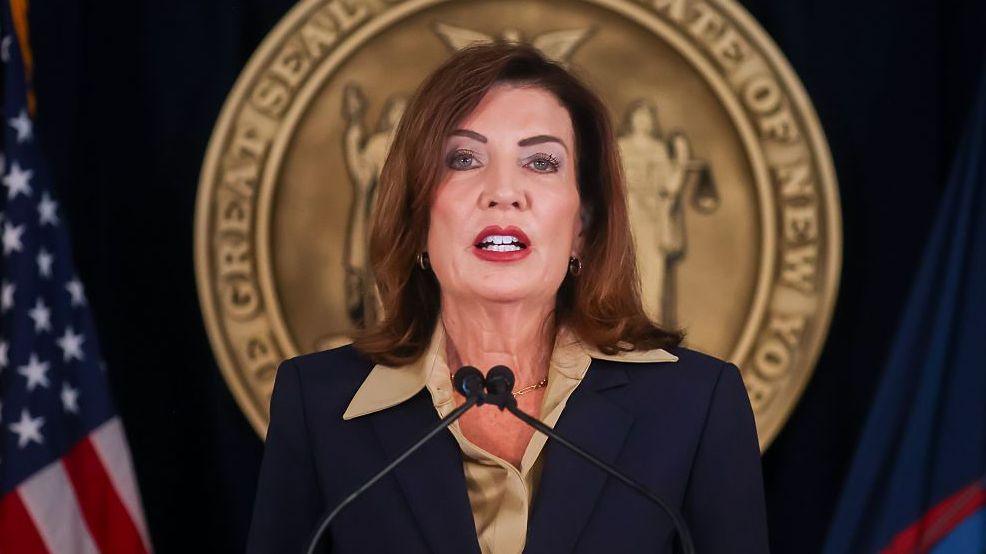
The governor, who has referred to the rule as a loophole, plans to cooperate with legislators to close it. Proposed changes would lower the intoxication level required to deny consent and clarify that a person unable to control their actions cannot voluntarily agree to sex.
Expert Perspectives
Former prosecutors and advocacy groups argue both for and against tightening the law. Some stress that the existing framework allows for convictions when consent is truly absent, while others warn that vague definitions might hinder judicial consistency.
The debate reflects a nationwide conversation about what constitutes consent when alcohol or drugs are involved, and whether college institutions should adopt stricter standards than state law permits.