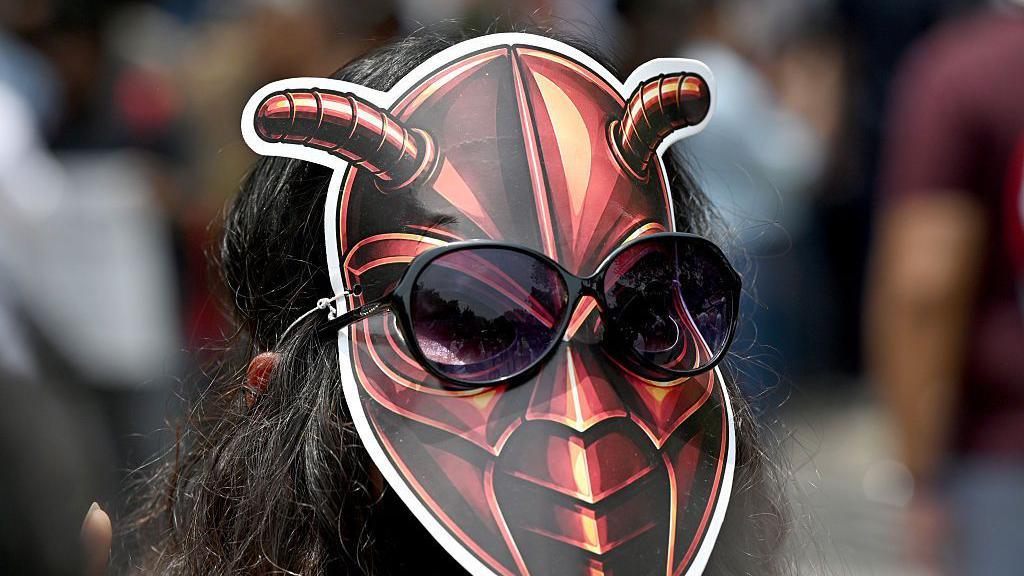
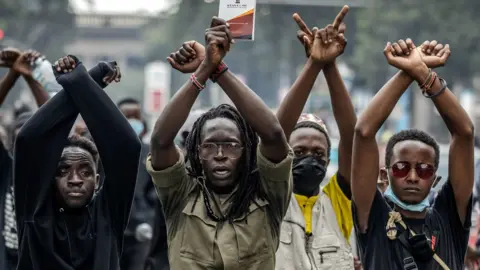
When India’s chief justice compared unemployed youth to “cockroaches”, a new movement sprang up under the banner of The Cockroach Janta Party (CJP).
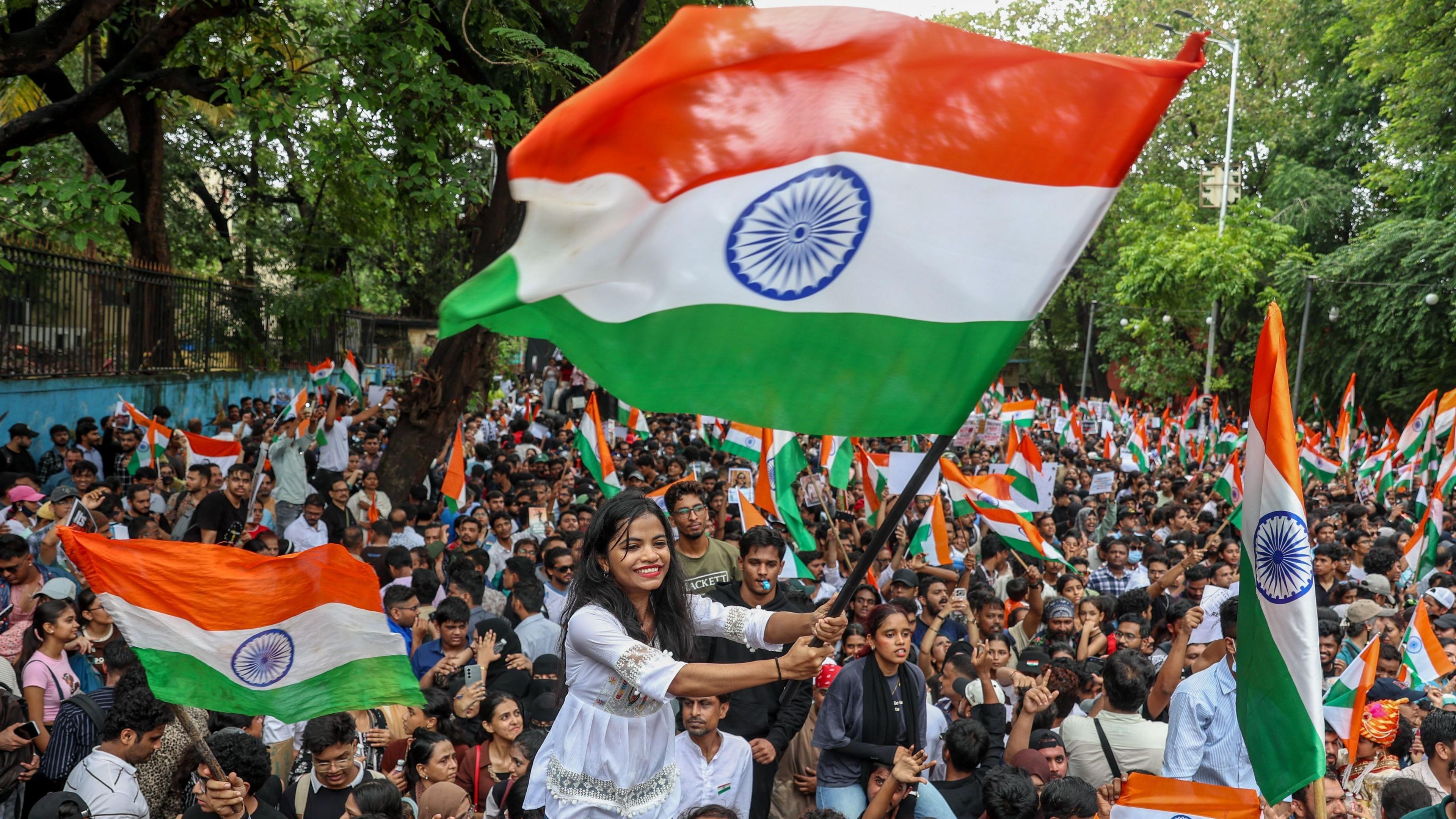
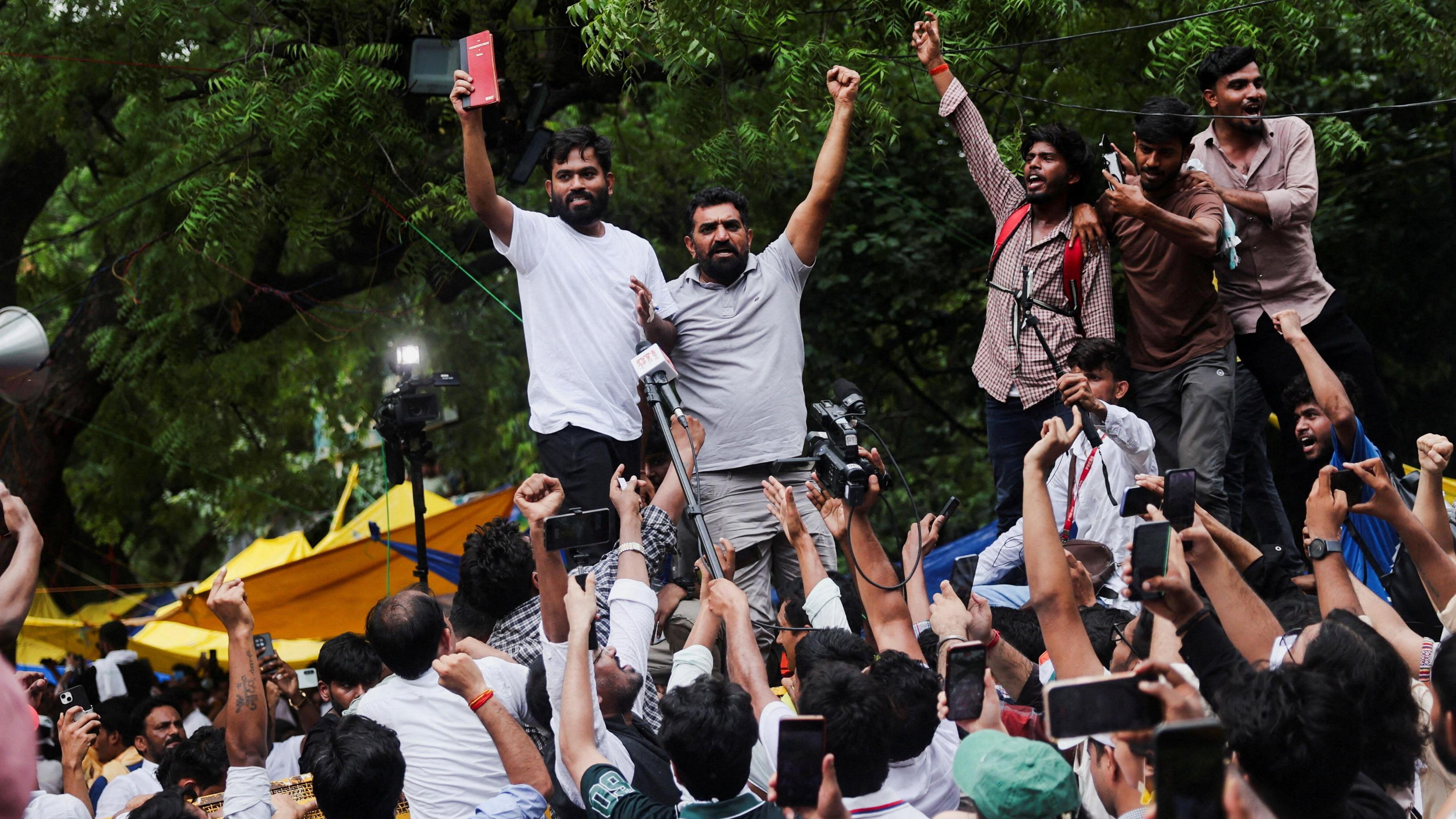
At the start of May, the CJP called for an anti‑government demonstration in Delhi, vowing to march regardless of police orders.
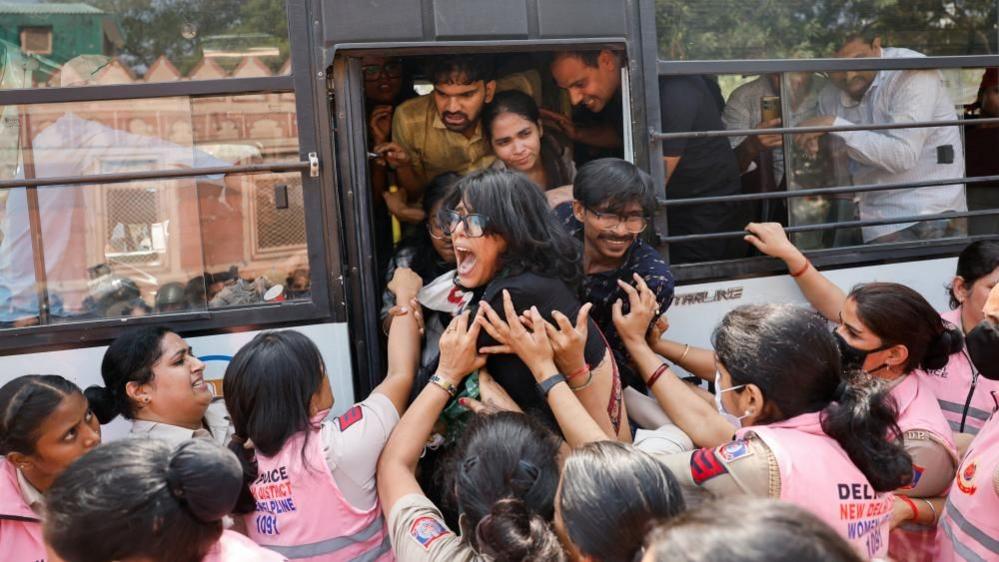
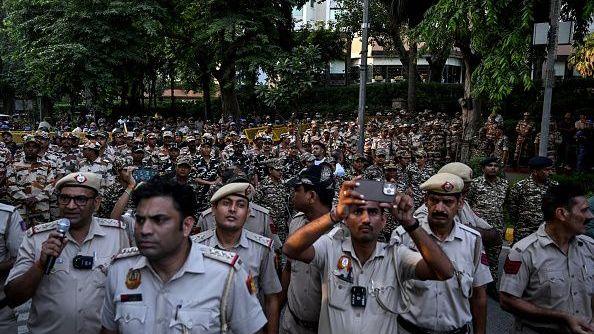
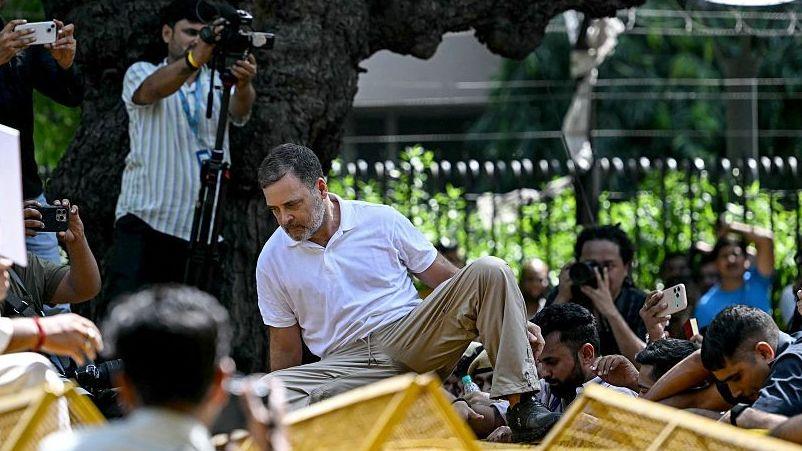
The protest turned into a clash when Delhi police, with a force of tens of thousands of security personnel, barred the route with barricades.
Despite the blockade, organisers insisted on proceeding and reporters captured footage of protestors slamming their bus windows on the way to the demonstration.
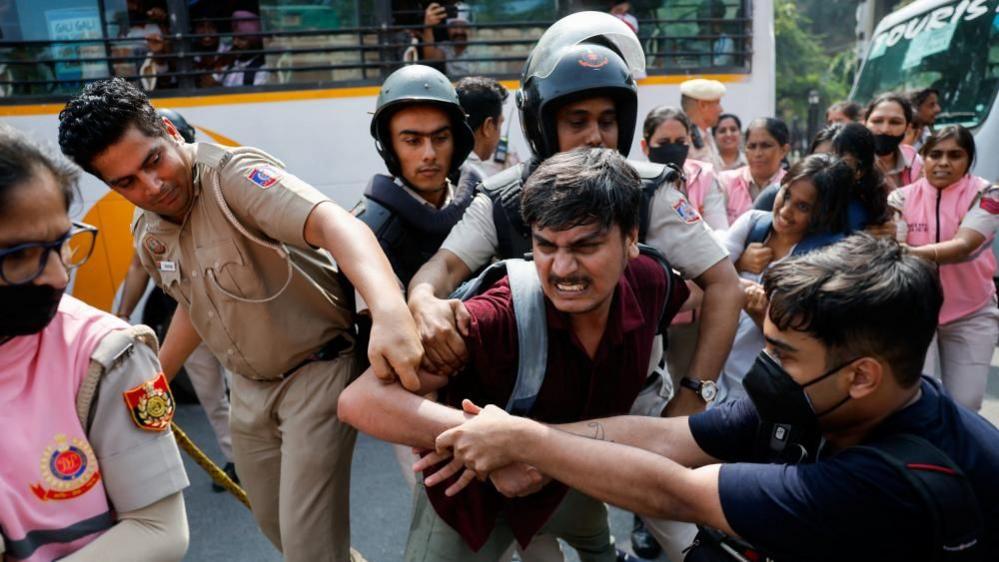
Arrests began when the police entered the protest site.
They detained the party’s founder, Abhijeet Dipke, and dozens of other leaders.
Video surveillance released on social media shows the group’s members being handcuffed in quick succession.
The crackdown has raised questions about the limits of lawful protest in India.
Supporters say the police responses were excessive.
Critics argue that the CJP’s demands for greater government accountability justify strict enforcement.
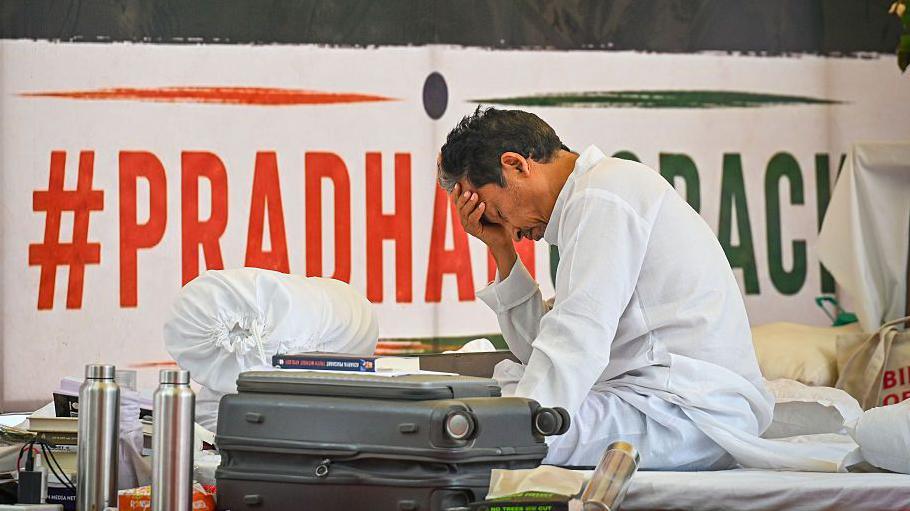
The incident has sparked widespread discussion across Delhi’s social media channels, with many calling for a review of the police’s handling of civil dissent.
As the story unfolds, citizens and activists alike are monitoring the situation for any indication of judicial intervention or policy change.