Silenced Voices: Indian Women Protesters Face Online Hate After CJP Marches
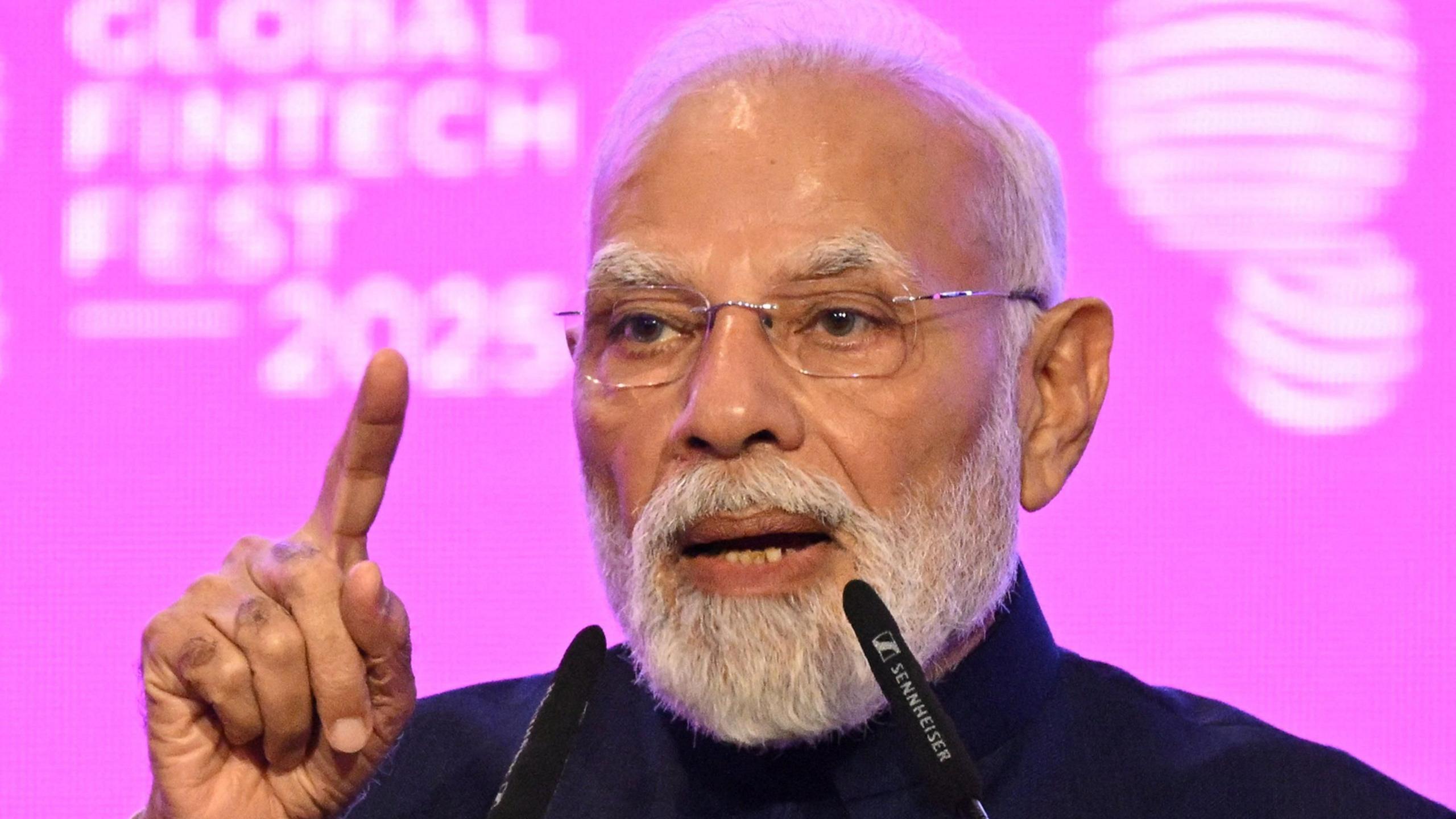
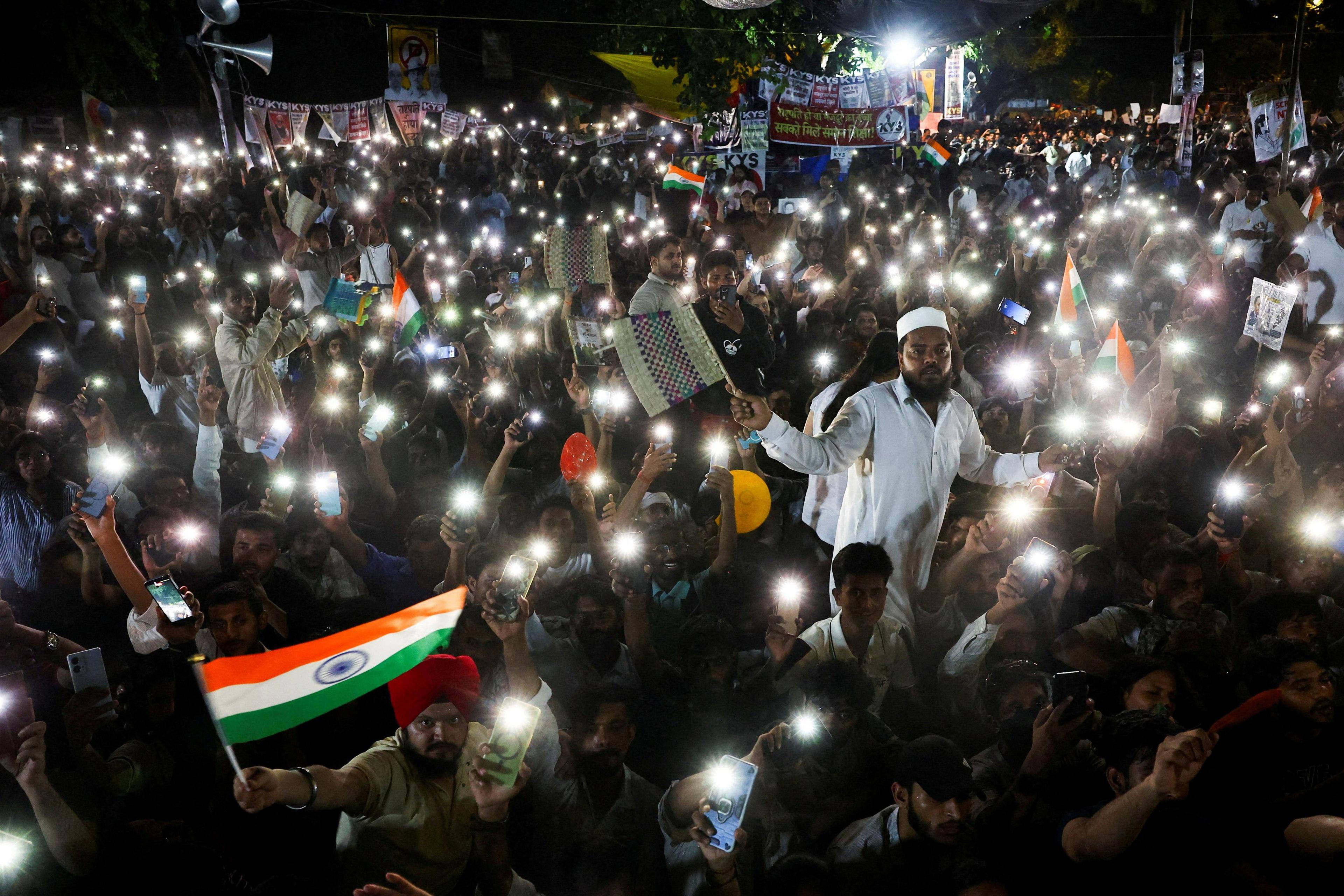
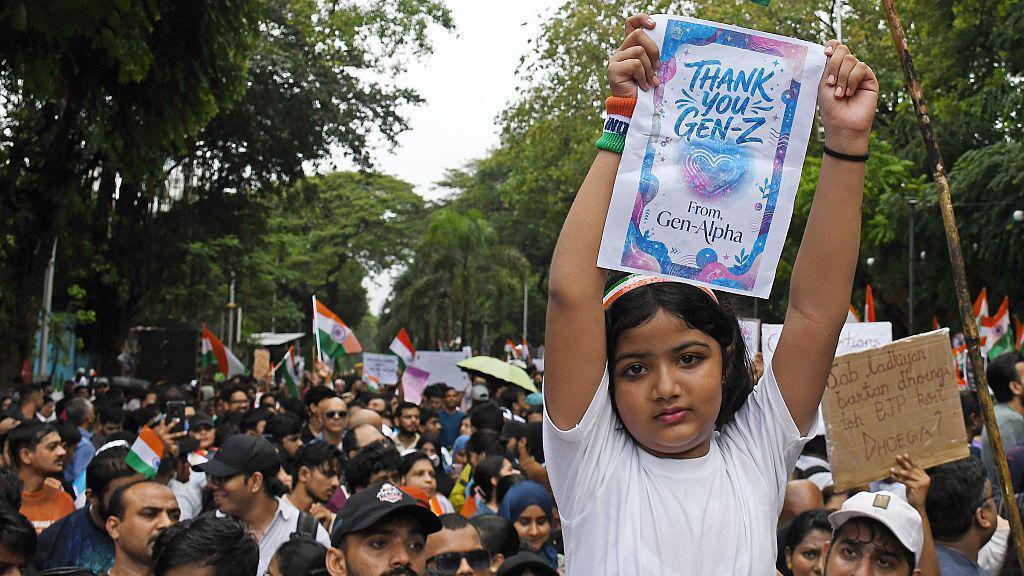
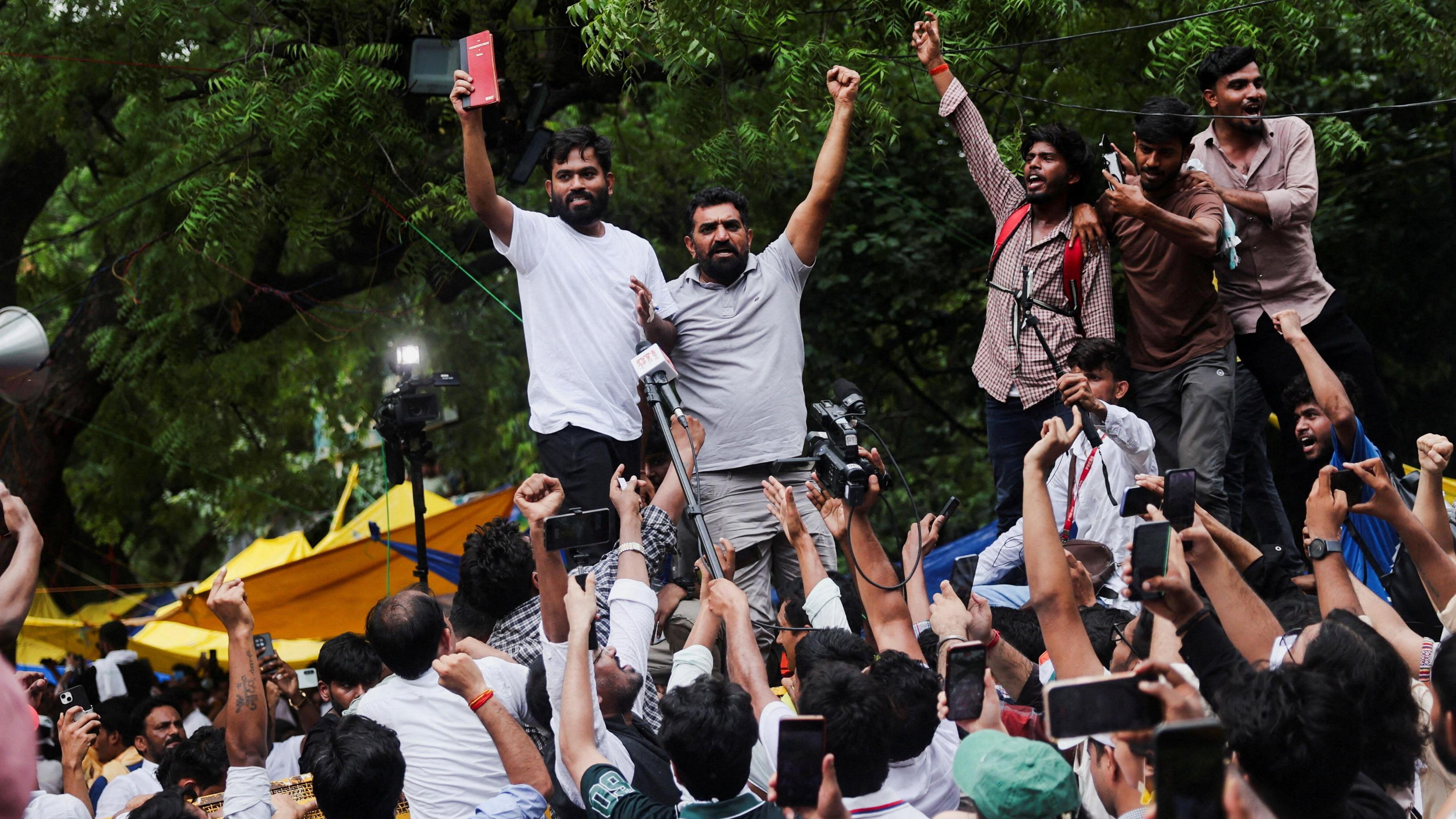
Teenage and university students from across Delhi carried on their activism by turning to Instagram, sharing memes, short‑form videos and live footage of protests against Prime Minister Narendra Modi. The Cockroach Janta Party (CJP), a youth‑led movement, used social media to make a global splash, but the content also opened women up to a wave of misogynistic and threatening messages.
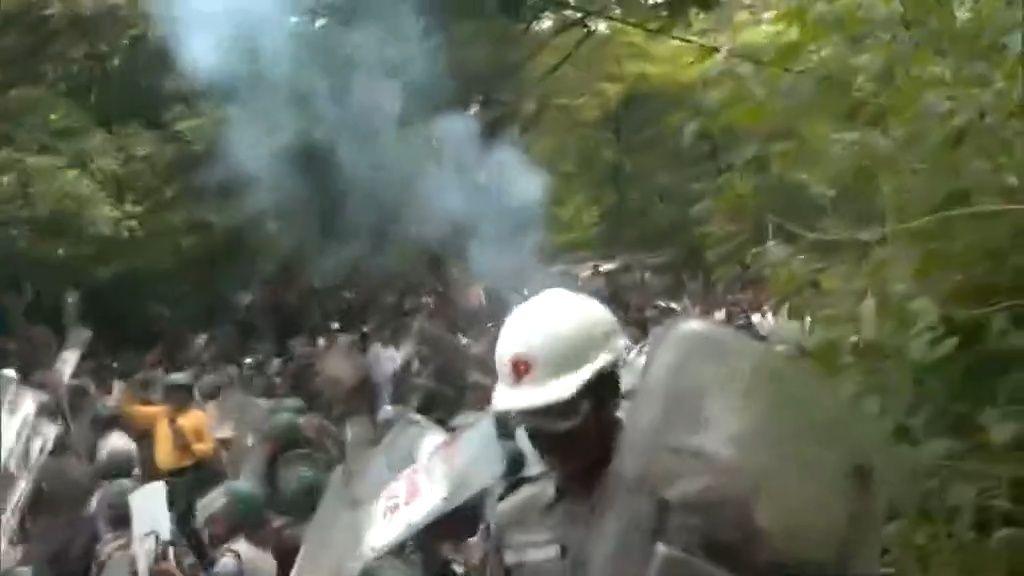
One female participant, mid‑20s, said she “was slut‑shamed” after posting a short video that criticized the Prime Minister. The comments ranged from calling her a prostitute to threatening rape and calling her an “unwanted prank”. She also reported being asked to delete her videos under threat of police action. The abuse is a direct extension of the physical crackdown, with Delhi police using tear gas and batons on 20 July and pressuring demonstrators after the march.
Another young woman, a 20‑year‑old college student, filmed a light‑hearted “fit check” video before the protest and intended to show the protest action. After police fired tear gas, her footage went viral. She was subsequently doxxed: strangers identified her university, called her explicit names, and threatened her family. The fear of being located caused her to delete most of her protest content.
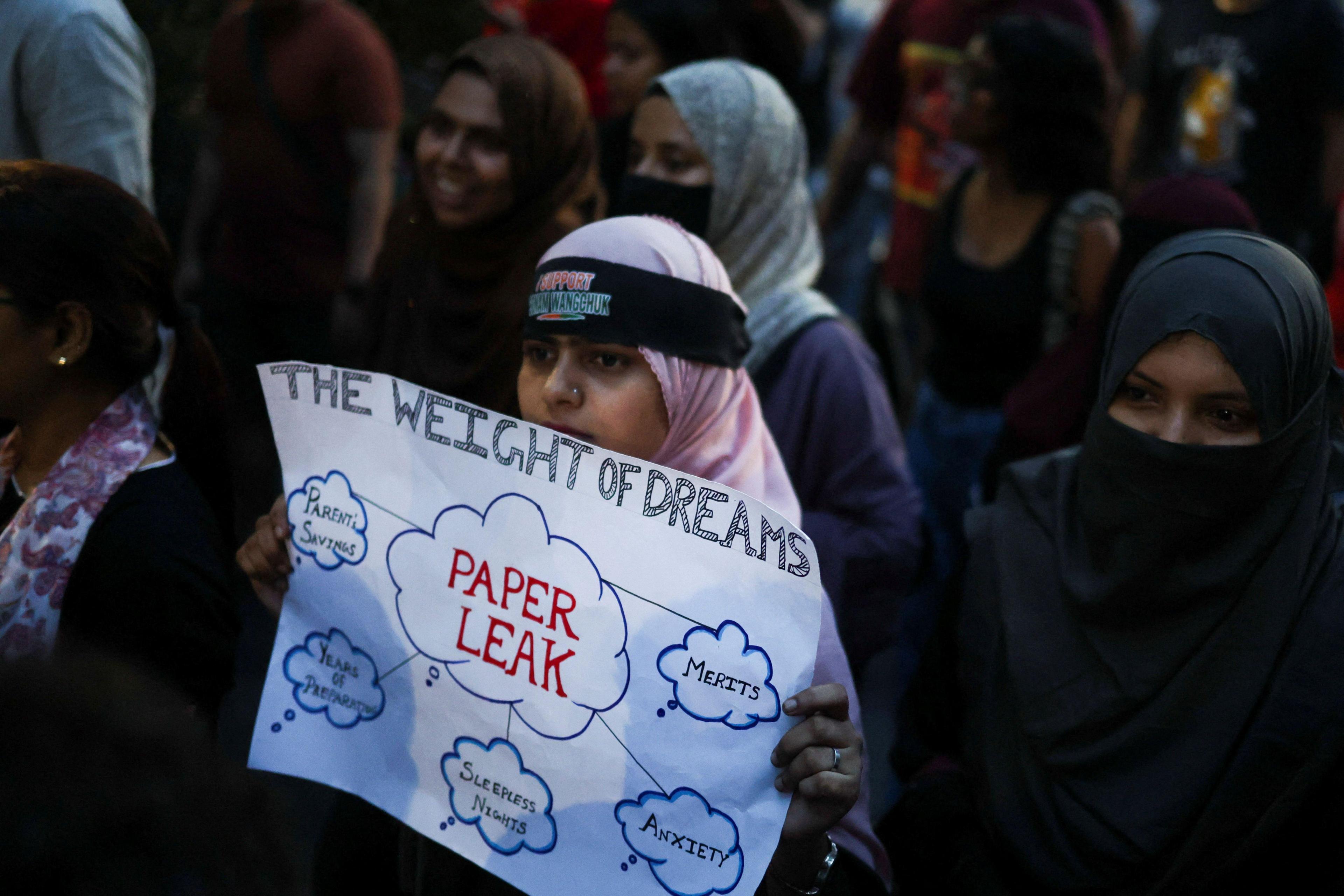
A Muslim student activist, despite being part of a religious minority, reported that her private Instagram account was blocked, and that images were edited to portray her as a terrorist. She faced insults like “hijra” and was labeled a paid protester, an attack on her identity that made her fear for her family's safety.
The pattern shows that women only, not men, quickly become targets of gender‑based harassment when they publicise their involvement in the protests. Even on private accounts, deep‑fakes and slurs surfaced, turning political expression into a battlefield that can threaten personal safety and life.
These accounts underline the need for stronger protections for activists, and the power of community to voice concerns. At the same time, they expose a culture where women vocal about democracy are dismissed, silenced, or even punished by intangible digital tongues. The digital platform that allowed the CJP’s rally to reach millions also became a conduit for abuse, raising questions about moderation, justice, and the health of civil discourse in India.