Hungary Faces Political Crossroads: Vote Could End Orbán's 16-Year Reign
Hungarians go to the polls on Sunday in a vote that could bring down long-serving Prime Minister Viktor Orbán and have significant repercussions for the rest of Europe, the US, and Russia.
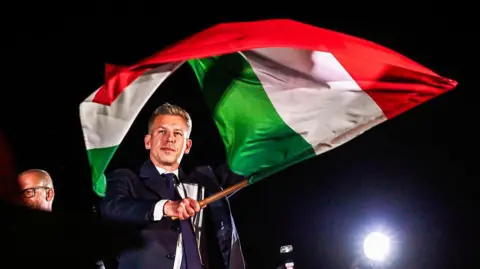
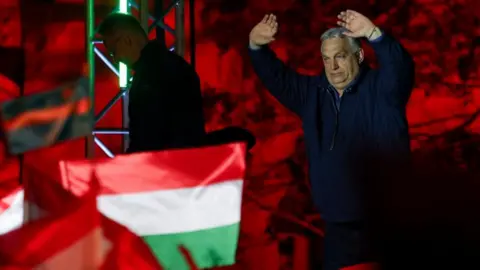
Most polls favour Péter Magyar, who formed a grassroots party after splitting from the ruling Fidesz party, but the night before the vote Orbán was in defiant mood.
We are going to achieve such a victory that will surprise everyone, perhaps even ourselves, he told several thousand supporters in a small square on Budapest's Castle Hill.
Voting takes place from 06:00 to 19:00 (04:00-17:00 GMT), with initial results expected during the evening. Orbán has increased tensions ahead of the vote, claiming the opposition would stop at nothing to seize power. In response, Magyar urged voters to resist Fidesz pressure and blackmail.
After 16 years of Orbán's leadership, which the European Parliament termed a hybrid regime of electoral autocracy, Magyar and his Tisza party are promising a change of regime, a reset of relations with the European Union, and an end to close relations with Russia.
Despite being historically popular, Orbán faces challenges as Magyar's message resonates, particularly with younger voters who prioritize change. In recent times, Hungary's economy has struggled, contributing to discontent with the ruling party amidst a backdrop of scandals and allegations of governmental bullying against opposition voices.
The upcoming election is not just a national concern but a ripple affecting international relationships. Orbán's camaraderie with certain global figures like US former President Donald Trump adds another layer of complexity to the political landscape. Analysts suggest that Magyar could secure a comfortable majority, yet achieving a two-thirds super-majority remains uncertain, crucial for reversing Fidesz's entrenched legal changes.
As the election date nears, the atmosphere grows charged, with fears of unrest should the outcome favour Orbán. Magyar’s burgeoning popularity illustrates a shift in the electorate’s sentiment, encouraging a significant portion of the population longing for a different political future.