A significant number of asylum seekers in the U.S. are facing deportation orders to countries where they have no connections, exacerbating fears within immigrant communities. Individuals from countries such as Afghanistan, Cuba, Mauritania, Venezuela, Bolivia, and Ecuador are among those facing the prospect of removal to nations like Ecuador, Uganda, or Honduras.
As advocates argue, this scenario deliberately instills fear among immigrant populations, as many individuals may feel compelled to abandon their legitimate asylum claims and return to their hometowns instead.
In response to escalating deportations, advocacy groups like the National Immigration Law Center underscore the alarming tactics employed by the administration, designed to deter asylum-seeking migrants from pursuing their cases.
Recent policy shifts have resulted in a temporary halt to the filing of new removal motions for third-country deportation orders, though previous orders continue.
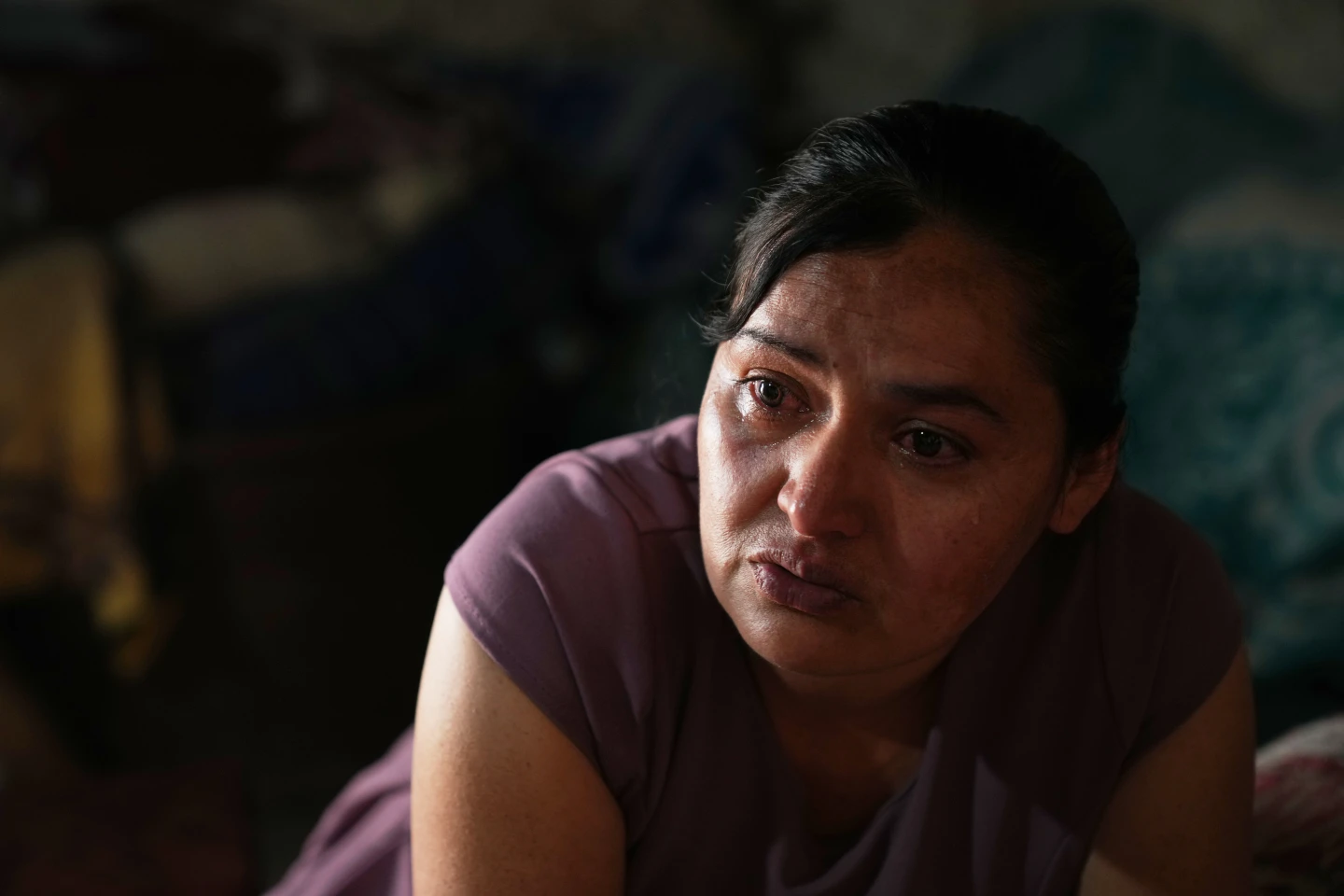
One poignant story recounts that of a Guatemalan woman who fled violence and abuse in her homeland only to learn she may be deported to a country she has never heard of. As she navigates the complexities of the immigration court system, uncertainty looms over her future, underscoring the dire consequences faced by many in similar circumstances.
The current surge in deportation orders stems from procedural changes enacted last year, permitting officials to cancel asylum claims summarily, thereby coupling the asylum process with third-country removals.
Despite the government's attempts to expedite these deportations, many challenges have hindered the process. Reports indicate that fewer than 100 individuals have been successfully sent to these third nations as part of asylum removals. The strict limitations surrounding asylum agreements and logistical constraints have complicated implementation significantly.
Moreover, even as apprehensions arise over the future of deportation practices, many immigrant rights advocates continue to seek legal challenges against the systemic issues faced by asylum seekers.