In brief
Last month, angry Gen‑Z protesters in New Delhi staged the largest youth protests against repeated exam paper leaks, which led to the resignation of Education Minister Dharmendra Pradhan. The outcry exposed deep flaws in India’s education system and its failure to provide graduate‑level employ‑ability, with graduate unemployment hovering around 35‑40 % for 25 years and rising to 67 % in 2023. Whit the country’s manufacturing share of GDP falling and AI threatening traditional IT jobs, a new industrial and vocational skills policy is becoming the only viable path to resolve the mismatch between a 360 million‑strong youth workforce and available jobs. Prime Minister Narendra Modi’s temporary measures—fast‑track courts, appointment of tech billionaire Nandan Nilekani, and cash transfers—may not suffice for the long‑term transformation needed to prevent a plateau in earnings and the “disaster” of a generations‑long decline from the golden‑ticket software sector.
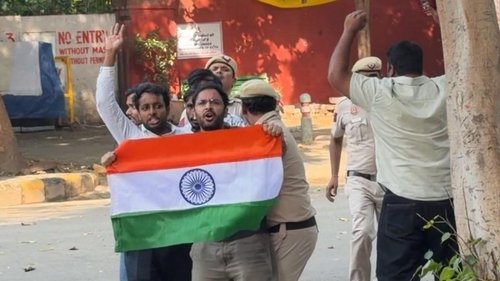
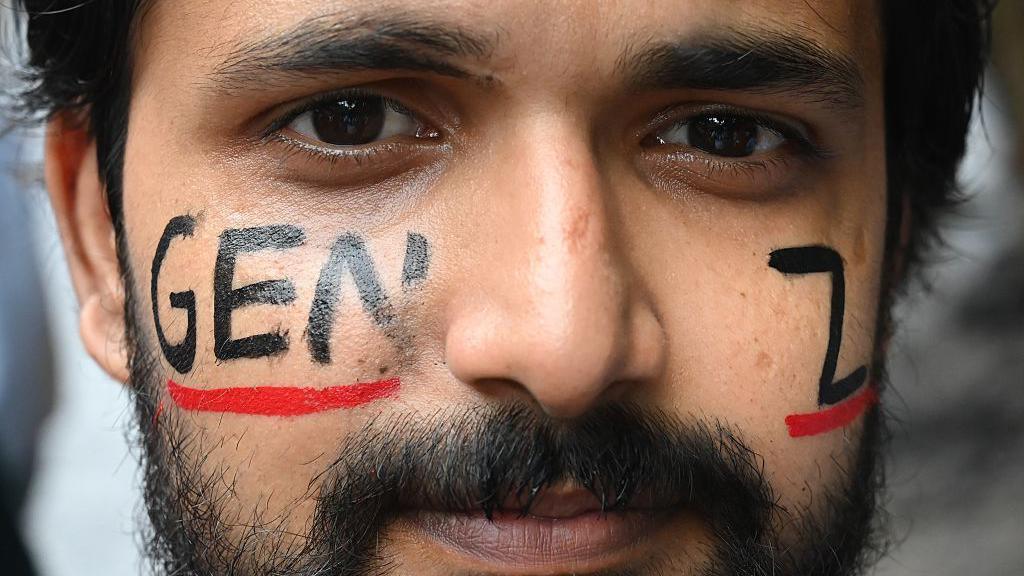
Dharmendra Pradhan was forced to resign as India’s education minister last month after angry Gen‑Z protesters took to the streets over repeated entrance exam paper leaks.
His departure has allowed Prime Minister Narendra Modi to tide over an immediate crisis, but keeping youth discontent in check may well remain a long‑term challenge for his government.
While Modi quickly announced fast‑track courts to try those accused in the leaks and appointed tech billionaire Nandan Nilekani to lead a government effort to reform the examination system, a more concerted effort may be needed to quell the anxieties of the young, who say they are losing patience with a system that’s unable to offer them better livelihood opportunities or education that leads to productive employment.
“The labour market has become brutal in the last 10 years. Non‑farm jobs have not been growing and real wages have stagnated,” said Santosh Mehrotra, a veteran economist and author of the book *India Out of Work: Rethinking India’s Growth Story*.
India has the world’s largest youth population, with over 360 million people between the ages of 15 and 29, and yet young adults face nearly four times higher unemployment than older cohorts and global averages.
The State of Working India 2026 report from Azim Premji University shows that while graduate enrolment has surged, 67 % of 2023 graduates were unemployed and only 3.7 % landed white‑collar work, with under 7 % obtaining permanent salaried jobs.
Manufacturing’s share of GDP has fallen from 17 % in 2015 to 14 % today, and employment in agriculture has jumped by 80 million people after 2020, masking underlying unemployment as workers move to services and manufacturing.
AI threatens 8‑12 % of non‑farm jobs, reducing the demand for knowledge‑based roles that once underpinned India’s middle‑class dream.
Job‑creating industries such as software are facing new realities, where graduates may have to shift from office jobs to trades like plumbing, electrical work, and mechanics.
As Devina Mehra noted on X, “This generation can no longer take for granted a lifestyle better than that of their parents,” and failing to address the earnings plateau could be a “disaster” for India.
PM Modi’s government must therefore design a new industrial policy that revives manufacturing, re‑orient education towards vocational skills, and tackles the incompatibility between the demand for skill sets and the supply offered by traditional universities.