In brief
The Cockroach Janta Party, a youth‑led movement born from an internet joke, saw its co‑founders Saurav Das and Ashutosh Ranka freed from Tihar jail after a week Behind a court order following an arrest for crossing barricades at the Delhi protest‑hub Jantar Mantar. The duo, who have long demanded the resignation of Chief Election Commissioner Gyanesh Kumar over alleged manipulation of voter rolls, were detained after climbing a guarded gate. Their release follows the removal of Jantar Mantar from the list of official protest sites and courts’ recognition of their right to protest. The CJP’s escalating pressure has already prompted the resignation of the education minister following a crackdown on leaked exam papers. The party’s broader campaign now looms over the Indian electoral system, especially in light of the Special Intensive Revision (SIR) exercise that has purged 130 million names from voter lists.
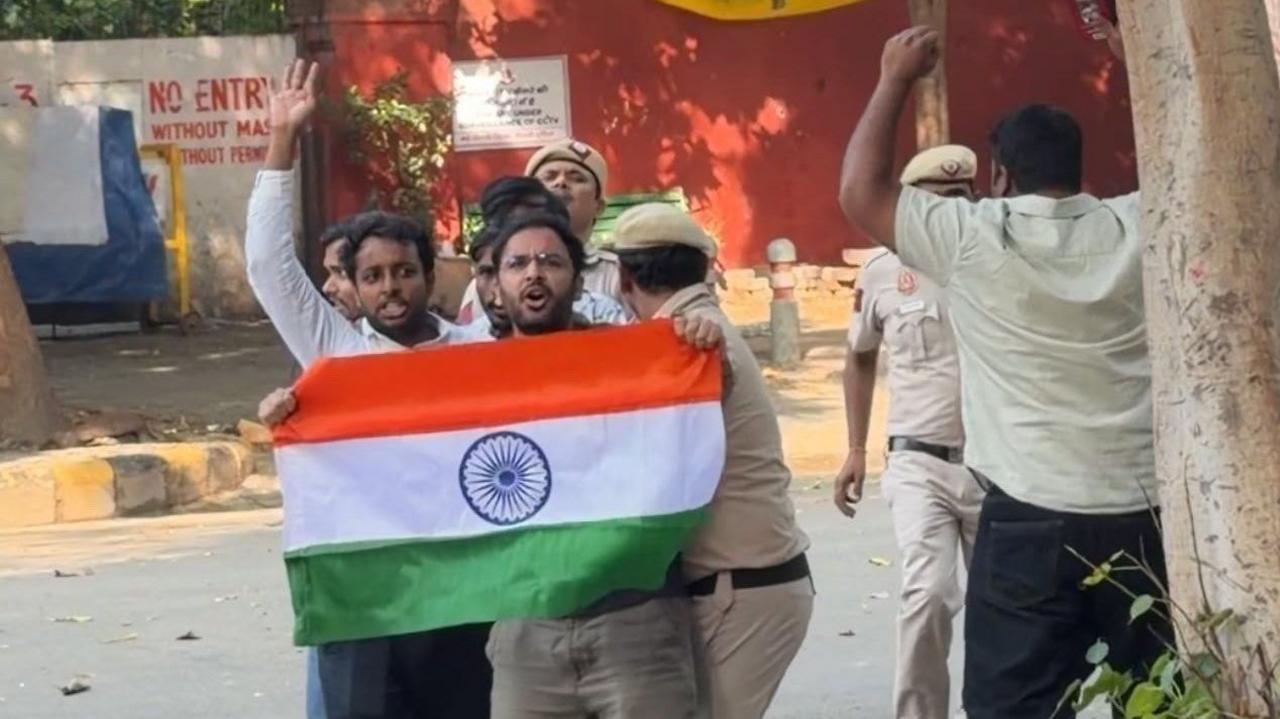
Two leaders of the Gen‑Z‑led Cockroach Janta Party (CJP) were released from Tihar jail after a week’s detention for trespassing at Delhi’s blocked protest venue, Jantar Mantar.
Saurav Das and Ashutosh Ranka walked out of the prison hours after a special executive magistrate ordered their release. They had been arrested after crossing barricades and climbing over the locked gate of the historic site, which was recently removed from the list of designated protest sites.
The leaders, who have long called for the resignation of Chief Election Commissioner Gyanesh Kumar, accuse the commission of manipulating voter rolls to benefit Prime Minister Narendra Modi’s Bharatiya Janata Party. The CJP, which began as an internet joke following a judge’s remark comparing unemployed young people to “cockroaches,” has evolved into a force advocating electoral reforms.
Their imprisonment lasted only a week, after the Supreme Court‑adjudicated court recognized the legitimacy of their protest actions. Das was quoted to reporters from a police van saying, “Truth alone triumphs. Long live the revolution.”
The CJP’s roots can be traced to protests over leaked exam papers, which drew thousands of young people to Delhi. By July, the movement had grown into a significant political pressure group, culminating in a march toward Parliament that ended in clashes and the resignation of India's education minister.
Now the CJP has shifted its focus to the election process, alongside opposition parties, students, and other critics who contend that the Special Intensive Revision (SIR) exercise has removed 130 million names from voter lists—potentially disenfranchising eligible voters. The Election Commission insists the review is intended to clean the rolls of ineligible, deceased, and duplicate entries.
For ongoing coverage, follow BBC News India on Instagram, YouTube, Twitter and Facebook.