In brief
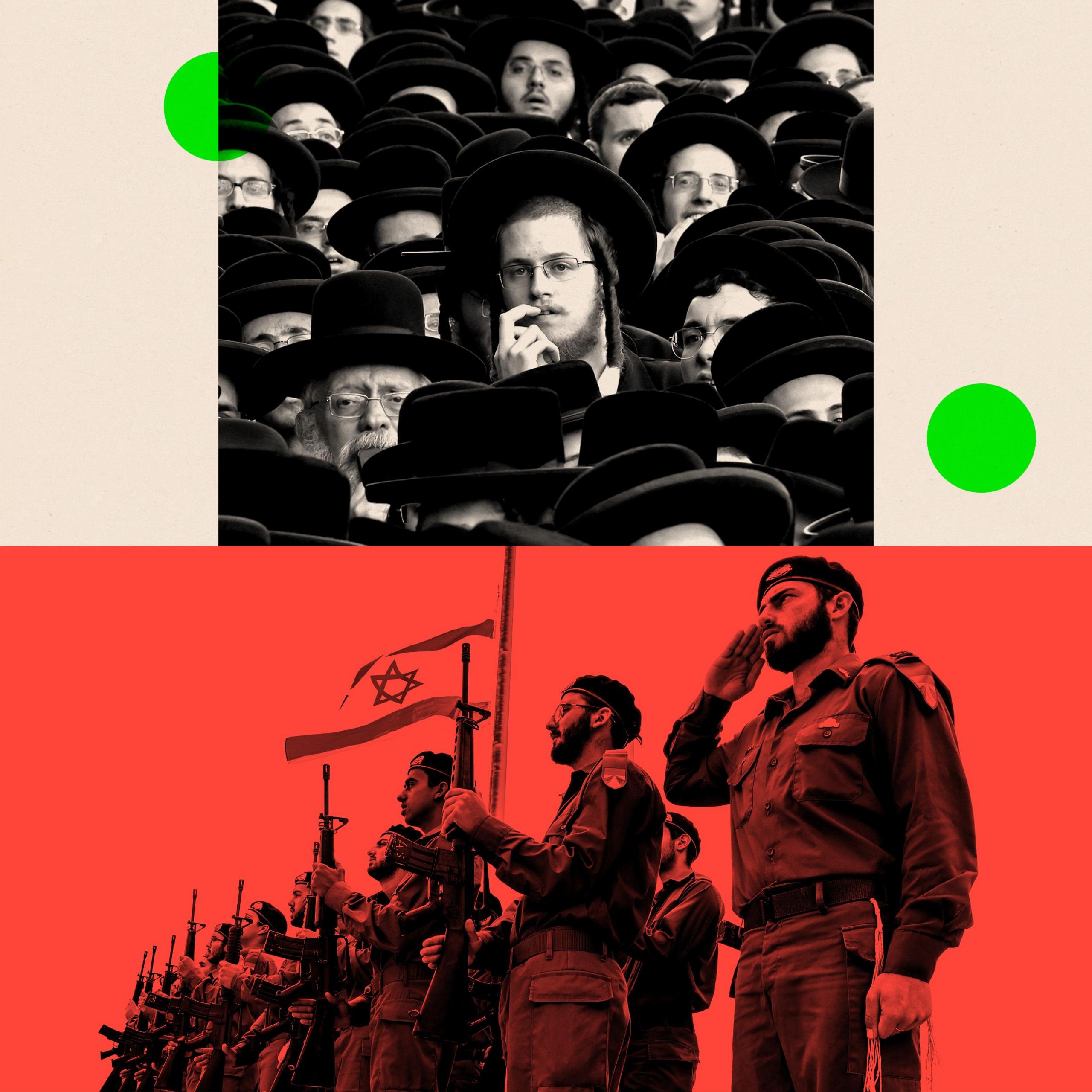
The clash over the military draft of ultra‑Orthodox men has turned into a national controversy, with blockades, protests and armed police clashes in cities such as Modi‑in. The Haredi community, now about 14 % of Israel’s population and expected to reach a third by 2050, enjoys a long‑held exemption that drains public coffers and fuels tensions with the rest of society. The issue sits at the heart of the current election, as Netanyahu’s coalition hinges on the votes of Shas and United Torah Judaism while opponents push for a complete draft and subsidy cut. A new Haredi Public Party proposes a compromise, but its effect on the vote is uncertain as far‑right leaders like Ben‑Gvir gain traction among Haredi voters.
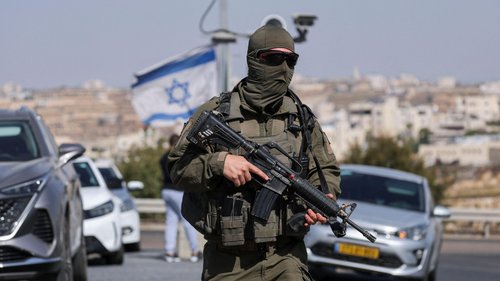
The recent clash in Modi‑in, in which police confronted a group of ultra‑Orthodox men waiting to avoid military service, is one of many incidents that highlight a deep rift inside Israeli society. The Haredi community’s exemption from the IDF, originally granted to a small post‑Holocaust community, now covers an estimated 14 % of the population and costs the state 35 bn shekels ($8.4 bn) a year in scholarships and support.
This exemption has become more controversial amid the wars in Gaza and the West Bank, where the military’s recruitment shortfall is felt keenly. In polls, the majority of Israelis see the Haredi’s refusal to serve as a dereliction of duty that places an unfair burden on taxpayers.
Political analysts warn that the issue has become the most burning divide before the election, with Netanyahu’s future relying on keeping Shas and United Torah Judaism in his coalition.
The two Haredi parties have historically been kingmakers, often threatening to pull out in exchange for concessions. In 2026, however, both have expressed a willingness to keep an open door on the rules of conscription while demanding that any compromise preserve the community’s religious identity.
A new entrant, the Haredi Public Party, proposes that those studying full‑time Torah continue their education but that those still able to serve should do so under a special framework that keeps them doctrinally Haredi. Yet it remains unclear whether this will sway the core Haredi electorate, many of whom follow rabbinic instruction closely.
Meanwhile, far‑right figures such as Israel’s Supreme Court nominee Gadi Eisenkot have called for a full draft that would integrate all eligible men. Israeli national‑progressive leader Golan has also urged immediate mobilisation, while right‑wing activist Ben‑Gvir is drawing Haredi voters with hard‑line stances on annexation and depopulation of Palestinian communities.
If no coalition can secure a majority, the post‑election negotiating table will be dominated by small parties that can tilt the balance. Analysts stress that the Haredi parties’ future support could tip the scales, but also warn that a pressured compromise could destabilise Netanyahu’s fragile coalition.
Reuters