In brief
As the promise of electric flying taxis dims, several companies face financial challenges hindering their ambitions in the EVTOL market.
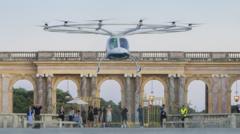
Germany's Volocopter, once poised to launch its electric flying taxi, the VoloCity, in Paris for the Olympics, has instead been limited to demonstration flights as it scrambles for funding. The company reportedly tried to secure €100 million in loans from the government but failed, placing its future in the hands of talks with China's Geely for an 85% stake in exchange for $95 million. The VoloCity is just one of many EVTOL designs under development. These aircraft, envisioned to offer helicopter-like flexibility with fewer emissions and lower costs, have encountered severe regulatory hurdles and manufacturing challenges that have deterred some investors.Similarly, the German firm Lilium's creative take on the EVTOL concept involved a revolutionary design using 30 electric jets capable of transitioning between vertical and forward flight. Despite boasting numerous orders globally, Lilium struggled to secure much-needed financial backing, which led to insolvency proceedings as they sought new investments while work on their jet continued.In the UK, Vertical Aerospace's innovative VX4 is another ambitious project facing economic pressure. As the firm claims it will deliver 150 aircraft by the decade's end, financial difficulties have prompted critical investments from its founder, Stephen Fitzpatrick. However, progress stalled when a key partner, Rolls Royce, withdrew support for electric motor supplies, further complicating the company’s trajectory and placing it on the brink of insolvency without extended financial help.On a more positive note, Airbus's CityAirbus NextGen project appears to be on a stable path. With adequate funding and expertise, this four-seater aircraft could redefine urban air transport. Meanwhile, companies like Joby and Archer in the U.S. seem well-positioned to navigate the competitive EVTOL landscape.As the flying taxi concept strives for viability, the looming question remains whether these ventures can establish profitable markets amid soaring operational costs and pilot demands. Investing in electric aircraft remains an alluring opportunity for many, driven by the fear of missing out on a potential market equivalent to the automotive evolution represented by Tesla.