In brief
Elon Musk confirmed he is open to a merger between Tesla and SpaceX, valuing each at around $1.5‑$2 trillion. While special committees are assessing the deal, shareholder approval remains critical. The merger could fuse Tesla’s electric vehicles and AI with SpaceX’s rockets and satellite infrastructure, potentially accelerating Musk’s plan for a self‑sustaining Mars colony. For Tesla customers, immediate changes are unlikely, but the integration may drive future vehicle innovations. Investors anticipate a transformed corporate structure, though regulatory scrutiny could intensify following the US midterm elections.
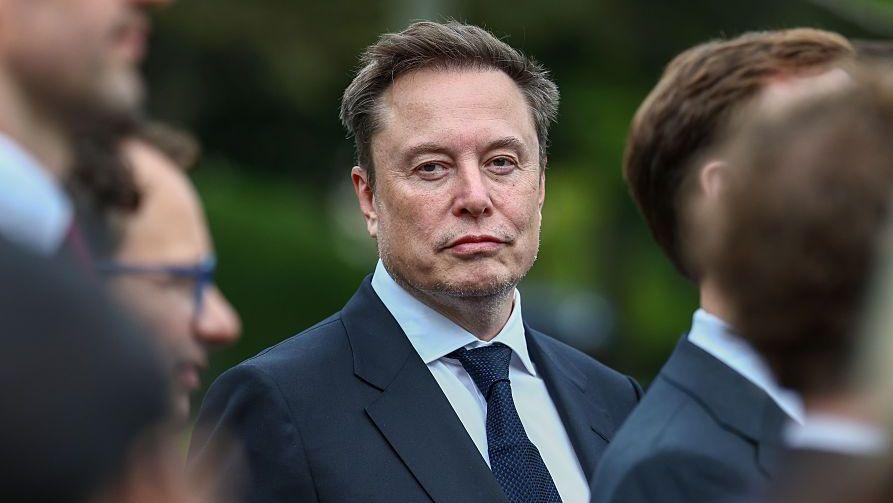
Elon Musk, the architect behind Tesla’s electric cars and SpaceX’s rocket launches, says he is seriously contemplating a merger of the two companies. Musk answered a question on the company’s live stream with a simple, confident “Yes.” The proposal is in early stages, with special committees tasked with reviewing the feasibility of combining the two trillion‑dollar firms.
Why Merge?
The idea is rooted in the complementarities of the two businesses. Tesla’s expertise in autonomous driving, robotics and battery technology could merge with SpaceX’s satellite network, rocket propulsion and AI research, creating a platform capable of delivering future vehicles and space assets more efficiently. One analyst suggests the combined entity could launch new products faster and attract a wider customer base as space‑borne payloads and terrestrial transport converge.
Shareholder and Regulatory Hurdles
Even a unanimous decision by Musk is not enough; roughly half of Tesla’s shareholders must vote in favour for the merger to go through. Musk himself is a key shareholder but must remain impartial in shareholder discussions. Analysts predict most investors will back the deal due to the strategic fit, though the lack of precedent for pricing a combined public‑private entity adds uncertainty. Regulatory bodies may examine the merger more closely, especially if a new US administration pursues stricter antitrust measures.
Impact on Tesla Customers
For those driving Tesla vehicles today, significant changes are not expected in the near future. Futurists point out that the vehicles may become secondary to the broader technology ecosystem that could emerge from a merger. Nevertheless, advances in AI and satellite‑based navigation tied into Tesla’s self‑drive stack could gradually improve vehicle performance and safety.
What Musk Gains
The merged company would give Musk greater voting control than he currently has at Tesla alone, consolidating decision‑making power over both automotive and space programs. While the deal does not directly add to Musk’s wealth, it tightens his holdings into a single powerful brand, simplifying the management of his ambitious projects, including a potential Mars settlement.
The merger’s success will hinge on shareholder enthusiasm, regulatory approval, and the strategic alignment of two very different yet technologically intertwined corporations. Whether the plan moves forward remains uncertain, but the prospect shapes speculation about the future of consumer technology and space exploration alike.