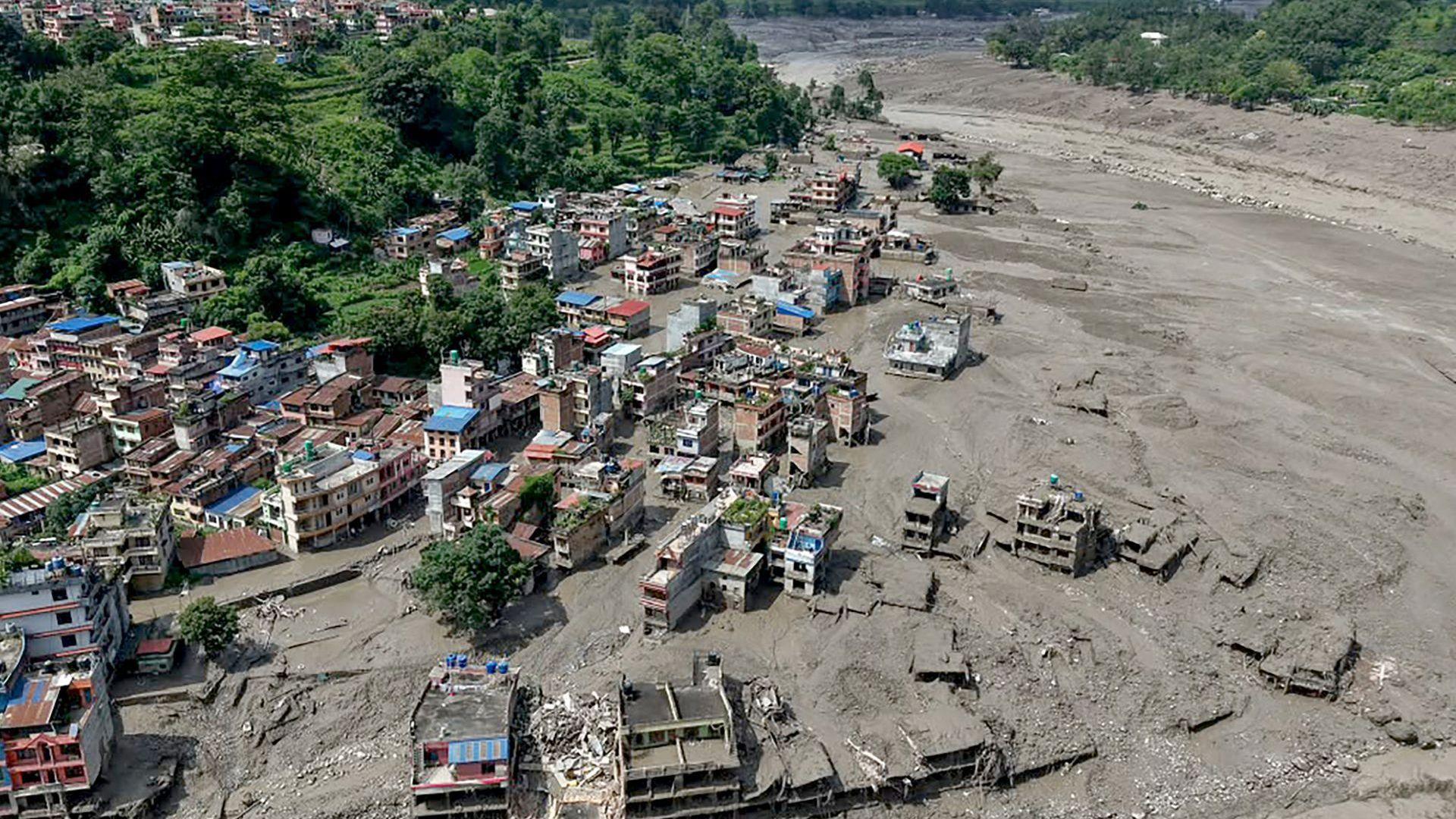
On Tuesday, a 6.8‑magnitude quake rattled the island of Kyushu in Japan, striking at 4:22 p.m. local time. The seismic shock triggered widespread damage in cities such as Saga and Kumamoto, where buildings collapsed and roads buckled.
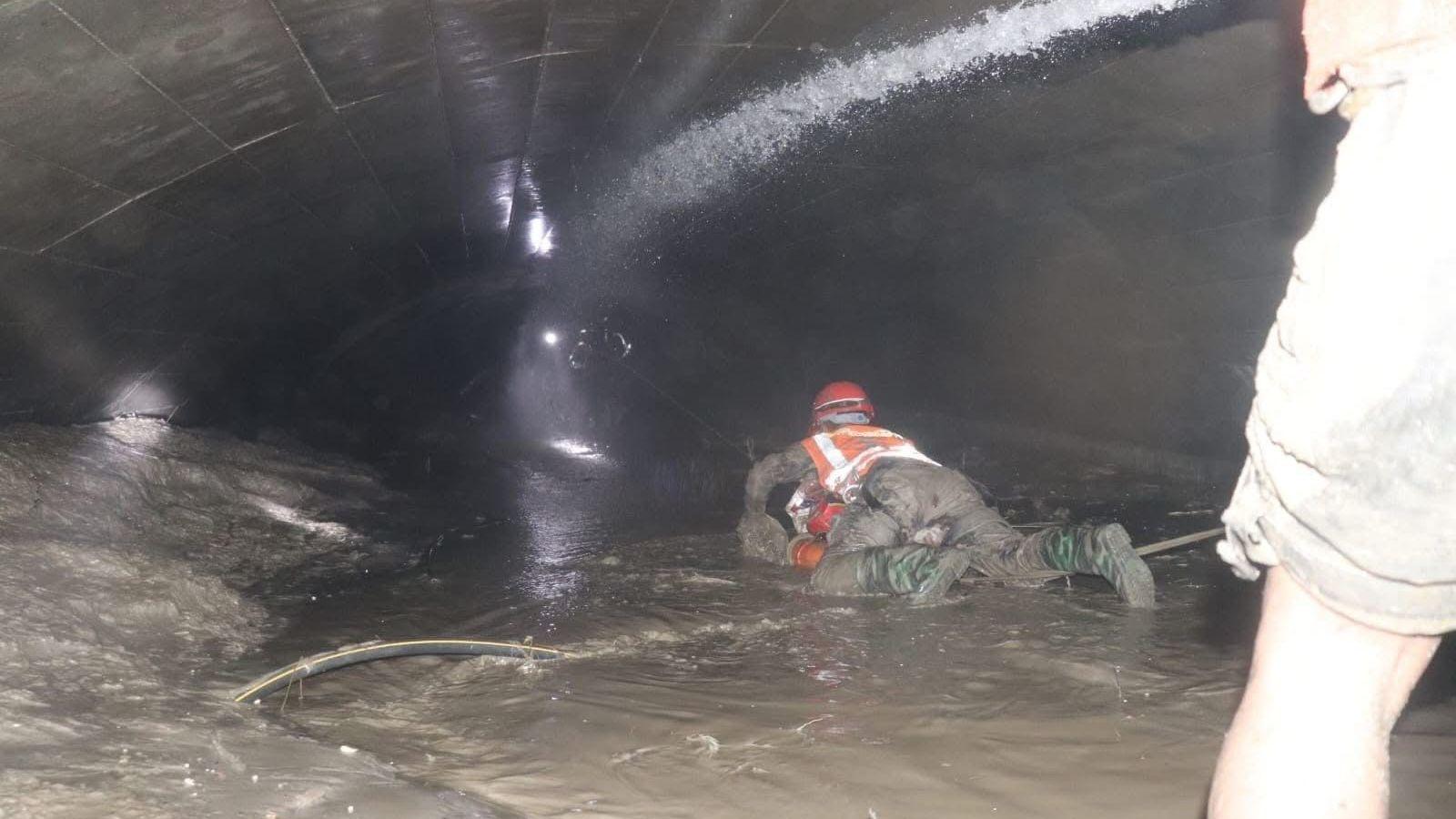
Emergency crews—comprising firefighters, police, and skilled hobbyists—have been deployed from across the country. They are racing against time to reach those trapped under rubble, especially in densely populated residential districts where structural collapse was severe.
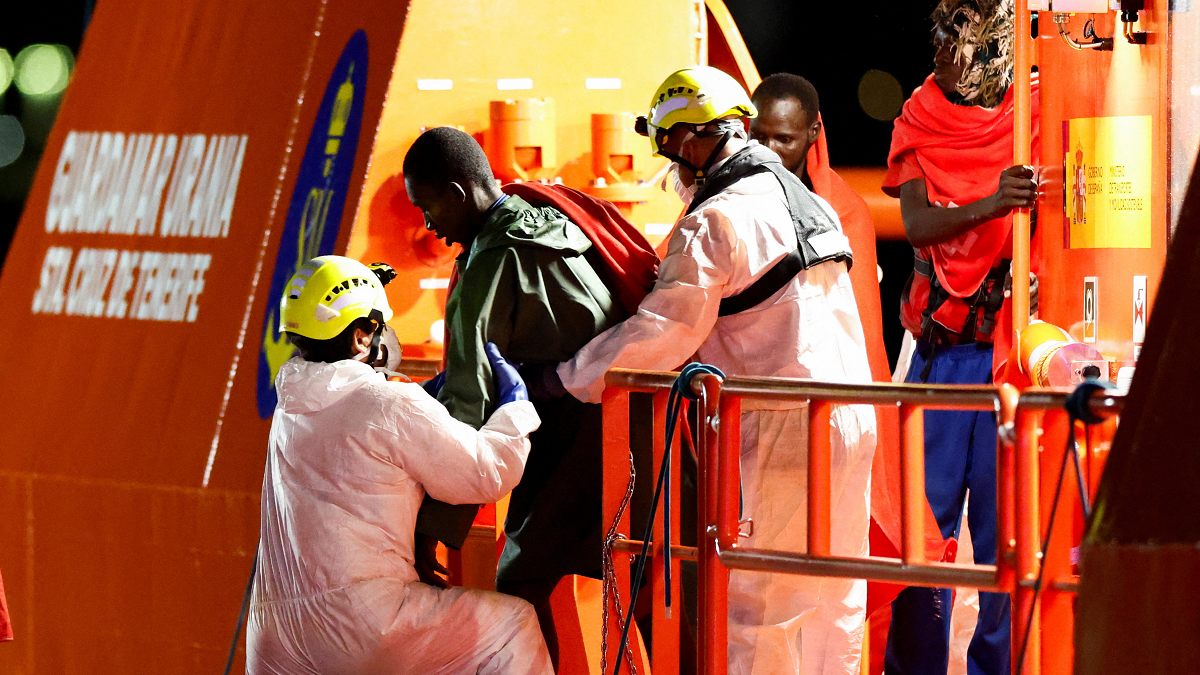
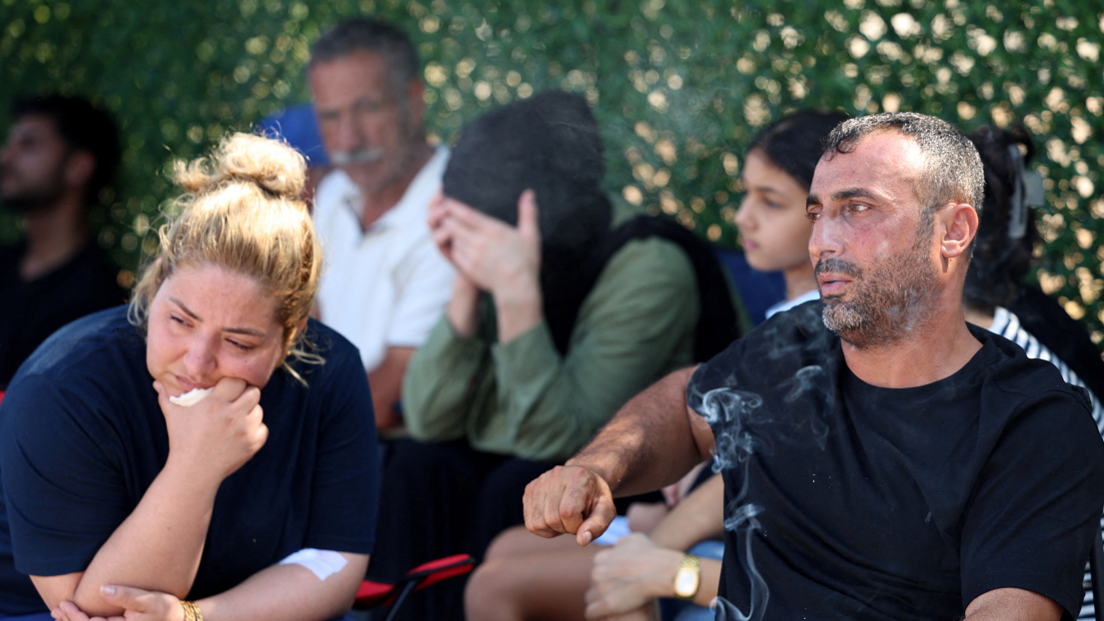
The death toll now stands at at least thirteen, with several others still missing. Thousands have been displaced from their homes, and residents are being moved to temporary shelters while search teams locate anyone still trapped inside collapsed structures.
Volunteer groups, many of whom are ordinary citizens armed with tools and digger trucks, have joined the official rescue effort. These citizens form an integral part of Japan’s “community disaster preparedness” strategy, which encourages local participation in emergency response.
The national government has warned that the casualty figure could rise as additional after‑shocks occur. Scientists are monitoring aftershocks that could collapse collapse structures yet again, heightening the urgency for prompt rescue actions.
Authorities also focus on long-term recovery, including structural rebuilding, mental health support and a thorough review of building codes to prevent future tragedies. The situation highlights the necessity for timely, coordinated emergency measures in disaster-prone regions.