In brief
A sudden surge of water through the Nepal‑Tibet border triggered catastrophic flash floods, wiping out the village of Betrawati and killing more than a thousand people, with nearly 4,000 missing. The floods have turned the once‑fertile land into mud and silt, injuring rescue teams and leaving families uprooted. Local residents are still waiting for the recovery of their loved ones, while the government struggles to extend relief across a vast, inaccessible terrain. Amid extreme weather events, the incident raises urgent questions about climate adaptation and disaster preparedness in the region.
Eight days after a sudden surge of water across the Nepal‑Tibet border, the government of Nepal reports that more than 1,000 people have died and nearly 4,000 are missing.
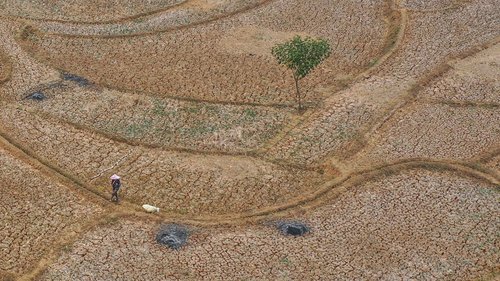
The BBC team flew into the Betrawati district to witness the aftermath of a flash flood that turned dry land into a mud and silt graveyard. Streets that once carried bikes and trucks are now flooded, and the village’s homes sit beneath layers of debris.
‘Nothing but mud and silt’, the headline says, as residents have been told to return home only to see their field abandoned and their homes buried. The local economy, built on farming and small trade, lies in ruins.
A local resident, still waiting for the retrieval of his wife's body, spoke to our correspondent about the ongoing rescue efforts. He described the difficulty of locating bodies buried under the waters and the fear that many victims are still trapped beneath the mud.
Rescue teams, hampered by broken roads and the risk of further surges, work day and night to search for survivors. The Nepali disaster agency has placed the region under a state of emergency, calling for international aid.
Climate science links the frequency of such extreme weather events to global warming, underlining how mountain communities are increasingly vulnerable to flash floods. Experts are urging governments to strengthen early‑warning systems and invest in flood‑resilience infrastructure.
The tragedy is a stark reminder that the world’s most fragile villages are in growing peril, and that both local and global responses must be swift and sustained to prevent future loss of life.