
In brief
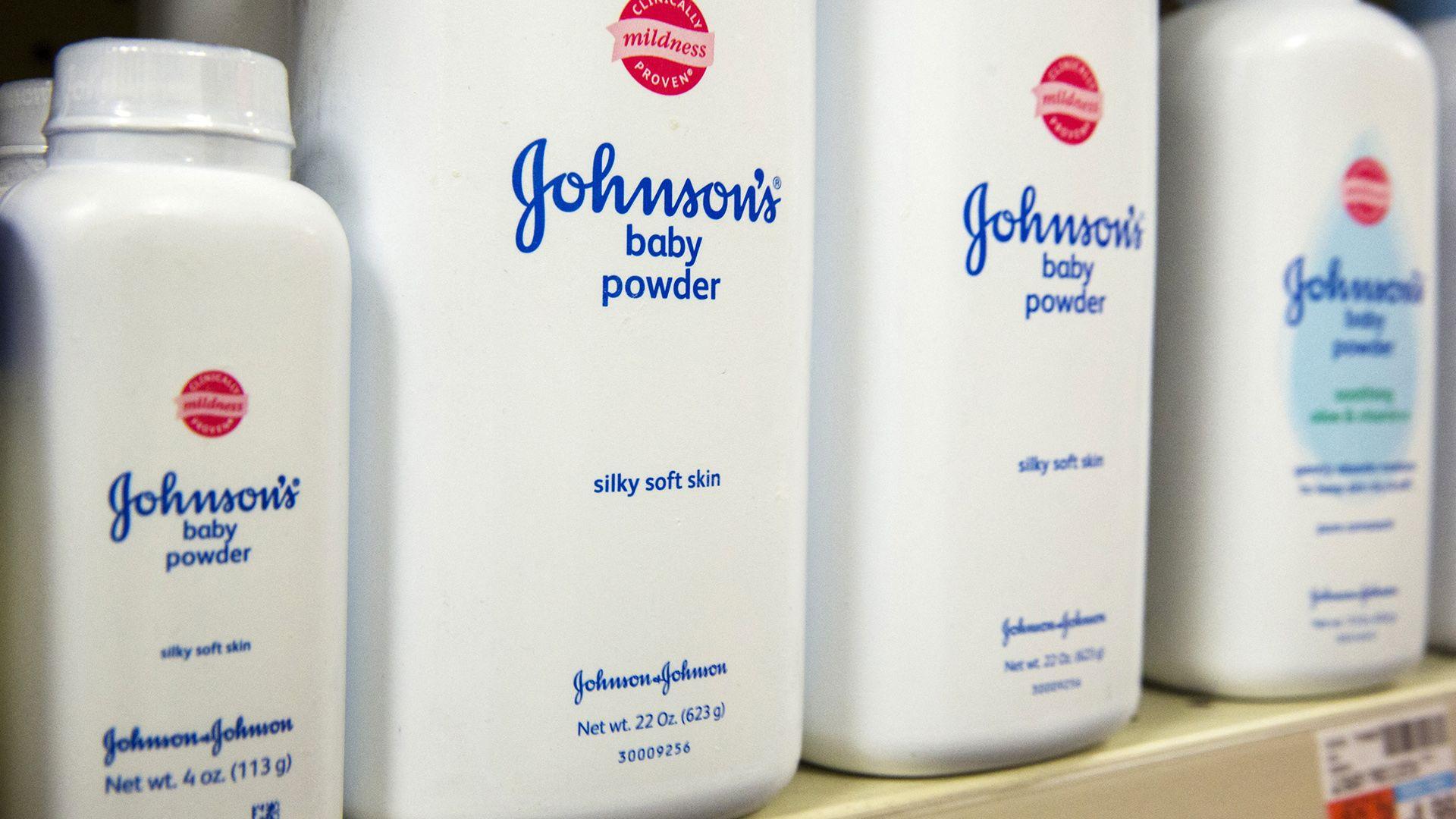
Johnson & Johnson has unveiled a settlement offering up to $5.5 bn to resolve a long‑running talc litigation that pits the company against tens of thousands of plaintiffs alleging ovarian cancer caused by asbestos contamination. The proposal would cover roughly 76,000 cases and requires acceptance by 95% of the legal firms representing the plaintiffs, with no further payments until 2028. J&J has denied that its talc products are unsafe, citing studies that demonstrate safety, and it has already stopped selling talc‑based baby powder worldwide. The move aims to finally end a legal battle that has weighed heavily on the company for over a decade.
Johnson & Johnson (J&J) has announced a proposed settlement that could provide up to $5.5 bn (about £4.14 bn) to resolve the company’s slate of talc‑based product lawsuits. The offer aims to close roughly 76,000 claims that allege the company’s baby powder and other talc products caused ovarian cancer through asbestos contamination.
J&J has denied any wrongdoing, describing talc as safe and free of asbestos, and says it has changed its formula to a corn‑starch‑based version. The company’s vice president of litigation, Erik Haas, said the allegations were “meritless” and that J&J was willing to settle “in order to finally resolve this matter.”
The settlement arrangement would require acceptance by the legal firms representing about 95 % of the plaintiff’s claims before it can be finalized. No additional payments are scheduled until 2028, the company explained. If accepted, the deal would bring the litigation largely to a close after more than a decade of court proceedings that began in 2009.
The company’s former consumer health business, Kenvue, holds liability for baby powder outside North America. Kenvue was spun off from J&J in 2022, after the company announced that it would stop making and selling talc‑based baby powder worldwide. The move follows a federal court decision earlier this month that questioned plaintiffs’ ability to prove talc was the direct cause of ovarian cancer.
J&J’s offer reflects a broader strategy to exit the talc litigation, which has been a significant financial and reputational risk. The settlement would allow the company to focus on its core mission of developing life‑saving medicines and devices.


