In brief
At a Quad meeting in Atlanta, the four nations’ top diplomats raised concerns about China’s use of trade restrictions and market distortions. They pledged $85 million in aid to expand trusted artificial intelligence access and agreed to create a joint business forum. The talks set the stage for a potential Quad summit in the Philippines and a Manila visit to discuss ASEAN cooperation.
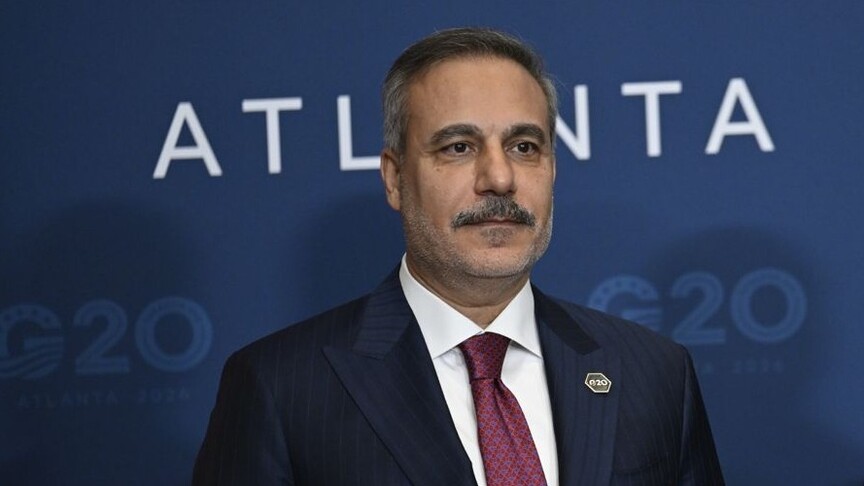
In Atlanta Saturday, the top diplomats of Japan, the United States, Australia and India gathered at a Quad meeting to express deep concern over what they described as China’s use of trade restrictions and other economically coercive tactics. The four foreign ministers — Japan’s Toshimitsu Motegi, U.S. Secretary of State Marco Rubio, Australian Foreign Minister Penny Wong and India’s External Affairs Minister Subrahmanyam Jaishankar — jointly issued a statement that they had “voiced grave concerns regarding economic coercion, including through arbitrary export restrictions, as well as non‑market policies and practices that result in overcapacity to disrupt global supply chains in critical industries.”
During the same meeting, the leaders also declared a commitment to channel more than 85 million dollars in technical and financial assistance to broaden access to trusted artificial intelligence across the Indo‑Pacific region. The pledge aims to strengthen regional tech ecosystems in the face of what the diplomats see as a widening digital divide linked to China’s proprietary AI infrastructure.
In addition to the funding announcement, the four countries agreed to launch a joint business forum designed to counteract perceived market distortions. “The forum will provide a platform for companies to share best practices and explore opportunities for fair trade,” said the group’s joint statement, though it did not name specific industries the forum would target.
A key part of the meeting was the reaffirmation of the Quad’s role as a counterweight to China’s growing influence in the Indo‑Pacific. “The Quad is not only about security but also about ensuring a free and open economy,” said Motegi. The statement also struck a tone of caution, urging all sides to respect the status quo without unilateral force or intimidation.
Once the Quad talks ended, the four ministers took part in side‑by‑side discussions amid a Group of 20 foreign ministers’ meeting in Atlanta. The broader setting underscored the growing intersection between economic policy and international diplomacy in a world where supply chains and strategic technologies are increasingly contested.
The next step for the Quad will be a potential summit in the Philippines scheduled for next month. The four nations also plan to travel to Manila in mid‑November for meetings that touch on the Association of Southeast Asian Nations (ASEAN) and its partners. These trips will likely include discussions on how to strengthen regional supply chains and enhance digital collaboration.
China has consistently criticized the Quad’s initiatives as an attempt to contain its rise. However, the four countries see their collective effort as a necessary response to a range of economic coercive practices that threaten global supply stability, especially in industries deemed critical for national security.
“Strong opposition to any attempt to unilaterally alter the status quo through the use of force or intimidation.”
This line, voiced by Motegi, signals the diplomacy’s cooling over the past year and highlights the urgent need for new institutional frameworks that preserve international trade norms.
For companies dependent on stable supply chains—from automotive to semiconductor manufacturers—these developments may translate into new regulatory frameworks, altered trade agreements, and potentially higher compliance costs. The $85 million in AI assistance will likely influence which firms gain access to advanced technologies, affecting employment, innovation, and the competitive edge of industries across the region.
For citizens, the diplomatic negotiations have several indirect stakes. As supply chains shift to align with Quad policies, some communities may see changes in local manufacturing jobs and investment flows. Moreover, the emphasis on trusted AI has implications for data security and privacy, matters that touch everyday internet users across the Indo‑Pacific.
The Quad’s expanded agenda also signals a shift in how states view economic resilience. A focus on critical industries may push national governments to diversify imports, invest in domestic production, or rectify loopholes that allow overcapacity to flood markets. Such moves could bolster public accountability, fostering transparency in how trade denominations and export restrictions are applied.
Ultimately, the Quad’s series of commitments illustrates a broader trend toward strategic alliance building around economic and technological realities. In a world where policy actions can shift the battleground of global commerce, the intertwined efforts of Japan, the United States, Australia, and India underscore the lived stakes for all citizens, from factory workers to consumers, and the pivotal role of institutional accountability during periods of international policy realignment.