In brief
In a provocative move, the Archdiocese of Chicago plans to present a lifetime achievement award to Senator Dick Durbin, igniting backlash from Bishop Thomas Paprocki due to Durbin's pro-abortion rights stance. This dispute highlights the ongoing tension between religious teachings and political realities within the Catholic Church. Cardinal Blase Cupich defends Durbin's recognition, framing it as a reflection of his advocacy for immigrants, while Paprocki sees it as a potential scandal given the church's stance on the sanctity of life.
SPRINGFIELD, Ill. (Civitas Global) — The decision by the Archdiocese of Chicago to honor Senator Dick Durbin with a lifetime achievement award at an upcoming fundraiser has sparked intense discussions about the fraying boundaries between church doctrine and political affiliation. Cardinal Blase Cupich announced the award, slated for November 3, emphasizing Durbin's commitment to immigrant advocacy amidst a backdrop of increased immigration enforcement during the Trump administration.
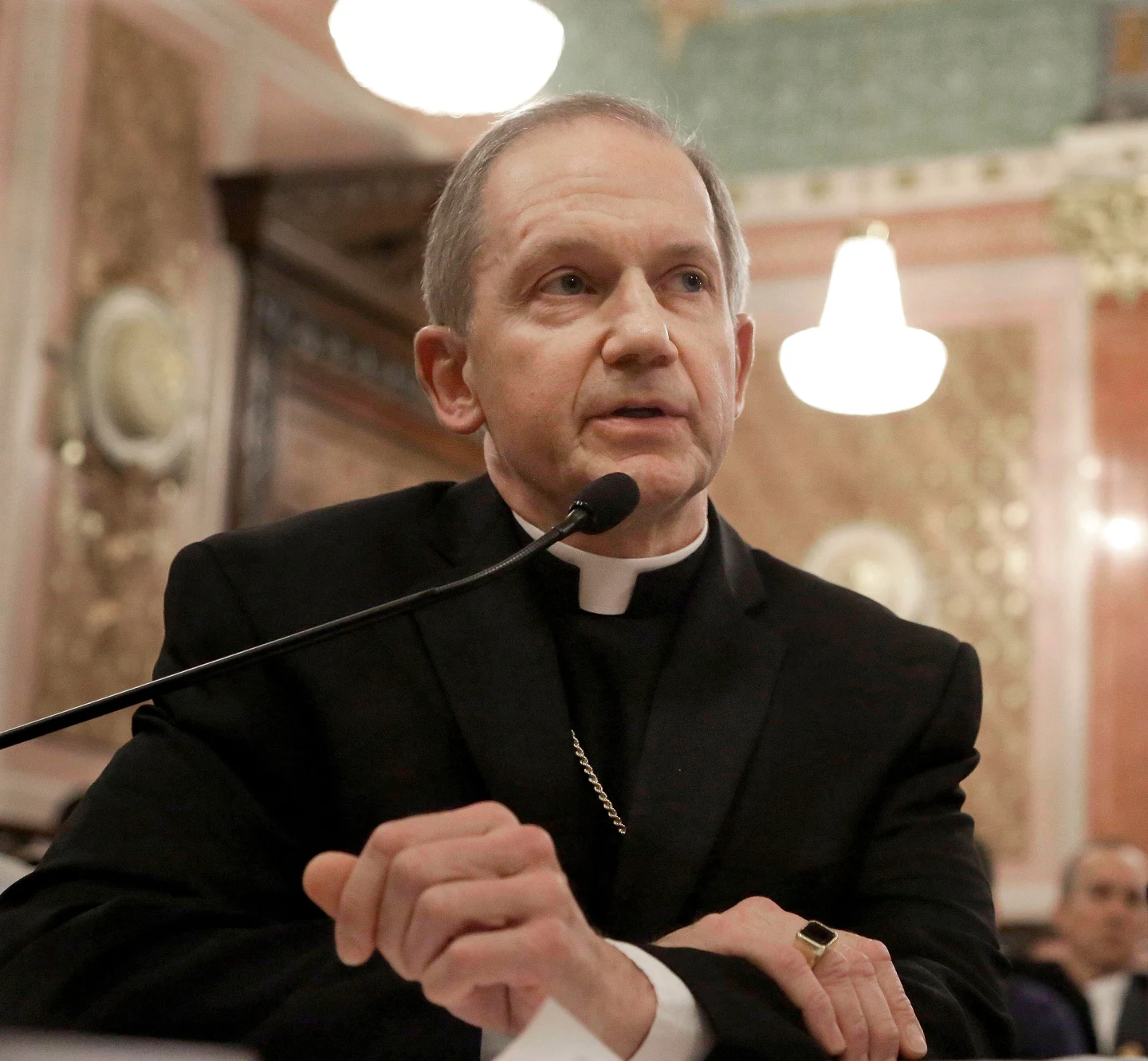
However, Bishop Thomas Paprocki of Springfield, who represents Durbin's home diocese, expressed his dismay at the award, citing Durbin's support for abortion rights as a significant deviation from Catholic teachings. Paprocki stated that honoring a politician who supports pro-choice policies undermines the church's moral stance on the sanctity of life.
“This decision risks causing grave scandal, confusing the faithful about the Church’s unequivocal teaching on the sanctity of human life,” he said. Paprocki's comments resonate with a long-standing tension wherein U.S. bishops confront Catholic politicians who align with pro-choice ideologies, a conflict magnified with figures like former Senator John Kerry and current President Joe Biden also facing similar scrutiny.
In defense of honoring Durbin, Cupich argued that the complete scope of the senator's work should be acknowledged, stating, “Catholic teaching on life and dignity cannot be reduced to a single issue.” He further articulated that the support for vulnerable immigrant populations amid escalating fears should not be overlooked, viewing it as a reflection of God’s called duty to care for the marginalized.
This significant moment illustrates a historical conflict within the church concerning political recognition, highlighting how bishops navigate the complexities of social justice issues alongside doctrinal teachings, especially as the Catholic community becomes increasingly diverse and varied in its opinions on sensitive subjects such as abortion.
The split within the church mirrors broader societal debates, as polls have shown that many lay Catholics diverge from the bishops’ positions, particularly on issues like abortion. As the Catholic community continues to wrestle with the implications of such honors, this scenario raises questions about how faith and politics will interact moving forward.
Durbin recently announced he would not seek reelection in the upcoming cycle, ending a long career marked by significant contributions on both immigration and social justice, which adds another layer of complexity to the Archdiocese's decision.
As both sides prepare for the fallout from this decision, it remains to be seen how this award ceremony will impact the church's and Senator Durbin's legacy amid an ongoing national dialogue about the intersection of religious faith and political beliefs.