In brief
Kenya has announced its second confirmed Ebola case, arriving 10 days after a businessman died of the virus during a trip from the Democratic Republic of Congo. The new patient, 39, is a close relative of the first victim and was already quarantined when he fell ill. Health officials say early detection has helped limit spread and no wider community transmission has been observed. The outbreak in the DRC is driven by the Bundibugyo strain, for which no approved vaccine exists, although trials are underway. A national contact‑tracing effort has identified 113 of 128 exposed people, most of whom are now in quarantine.
Kenya has confirmed a second case of Ebola, a 39‑year‑old man who is a close relative of the country’s first victim. The new patient was already in a quarantine facility when the disease broke out, according to the Ministry of Health.
The first case, a business traveller from the Democratic Republic of Congo, succumbed to the virus on 5 October. He had journeyed through Uganda before arriving in Nairobi, and after his death officials traced 128 contacts – 113 of whom were found and are now in quarantine, while 15 remain under investigation.
Ebola’s incubation period ranges from two to 21 days, meaning that individuals exposed to the virus may not show symptoms for weeks. Early detection in the second case has improved the patient’s chances of recovery and curtailed the risk of community spread.
Health authorities have emphasized that both cases are linked and there is no evidence of wider transmission. They urge the public to remain calm yet vigilant.
The current outbreak in the Democratic Republic of Congo, which began in May, is caused by the Bundibugyo species of Ebola – a relatively rare strain with no approved vaccine or treatment, though clinical trials are underway. To date, more than 4,000 people have died in the DRC alone.
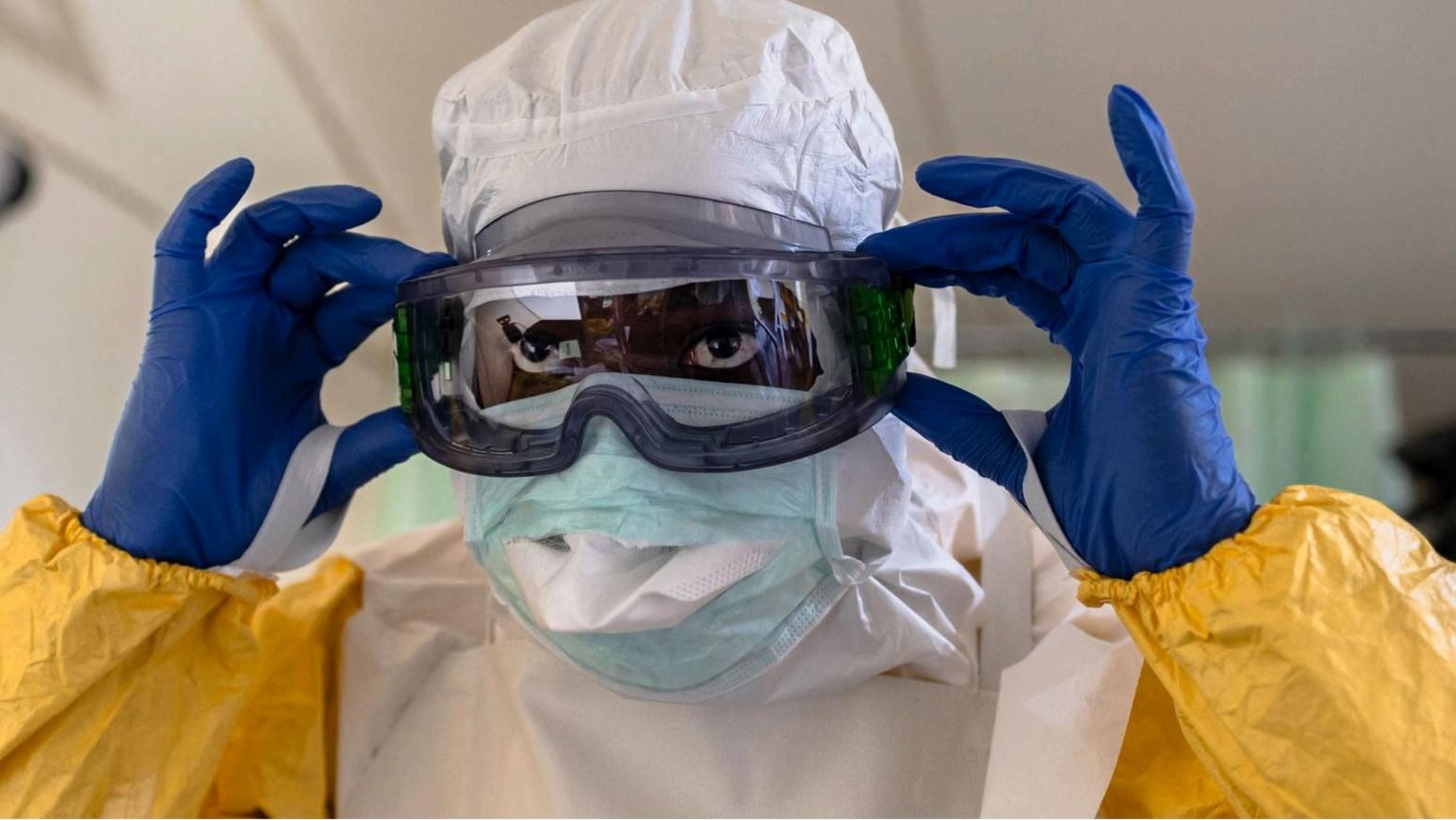
The virus spreads through contact with infected bodily fluids such as blood or vomit, highlighting the importance of stringent protective measures for healthcare workers. Public health officials continue to monitor the situation closely as the outbreak evolves.