In brief
Photos released by Rodong Sinmun depict Kim Jong Un touring a clothing exhibition with his daughter, countering a Chinese dissident’s claim that he had died in a Beijing hospital. The images appeared hours after the unverified report surfaced, highlighting the difficulty of confirming events inside North Korea. Analysts note that the country’s opaque regime and succession uncertainties fuel recurring rumours about the leader’s health. Despite the speculation, no credible evidence of a leadership crisis has emerged and intelligence agencies report no signs of instability.
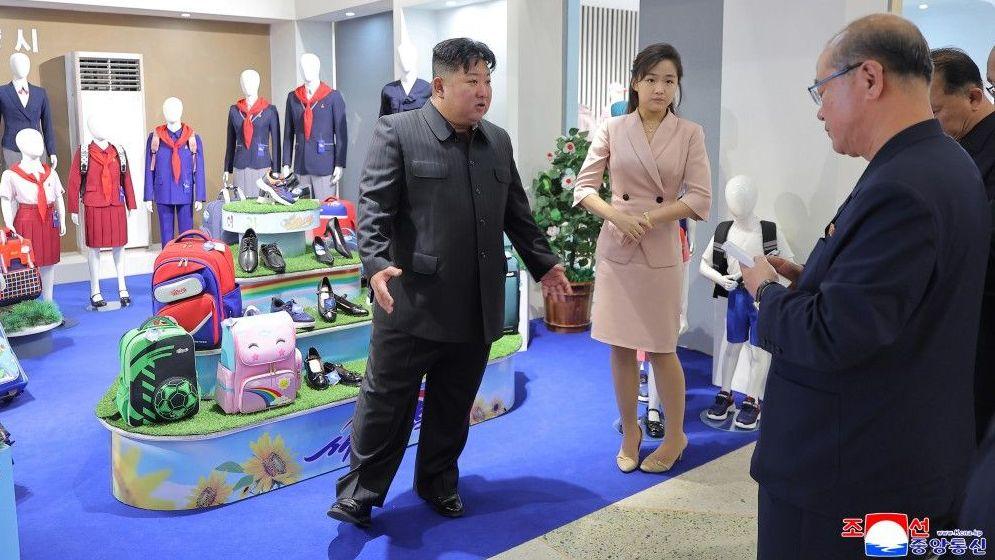
North Korean state media posted photographs of Kim Jong Un touring a clothing and footwear exhibition with his daughter, contradicting a unverified claim that he had died of a brain haemorrhage in Beijing.
The photos appeared hours after Wanjun Xie, a banned Chinese dissident, claimed Kim had been hospitalized in Beijing and later died. Xie’s story has previously failed to find corroboration, and analysts point out that the regime’s opacity and internal succession uncertainties make such rumours fertile ground for speculation.
Kim’s health has attracted attention because of his heavy weight, smoking habit, and a family history of cardiovascular disease. Any sudden loss of leadership could destabilise North Korea’s nuclear deterrent and risk refugee flows across the Chinese border.
Intelligence agencies worldwide monitor Kim’s public appearances for signs of deterioration, but as of now, the cessation of rumours has followed a pattern observed after earlier unverified death claims.
Why the Rumours Persist
- Succession uncertainties within the Kim family, especially the potential selection of Kim Ju Ae, 13‑year‑old daughter, as a future leader.
- The regime’s strategic use of misinformation to maintain internal control.
- Limited independent verification of events inside North Korea, encouraging free‑flow of unverified claims.
While the photos seem to disprove Xie’s claim, the persistence of such rumours underscores the challenges of obtaining reliable information from a tightly controlled society and the high stakes of any potential leadership vacuum in North Korea.