Kyushu Earthquake: 100 Aftershocks, 13 Dead and Collapsed Mall
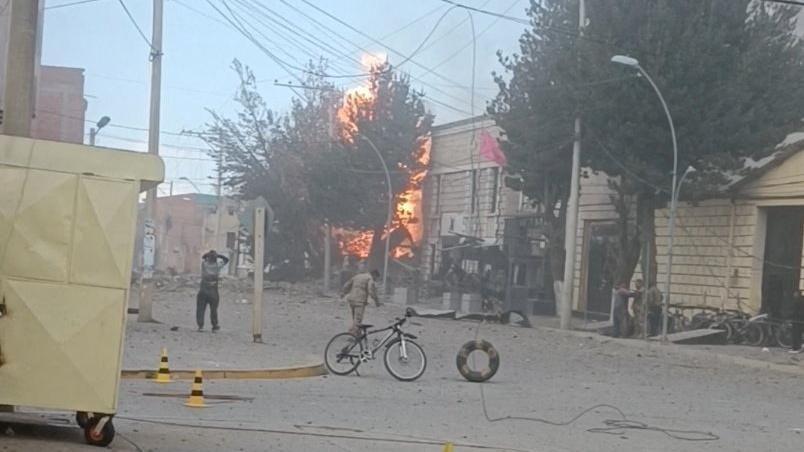
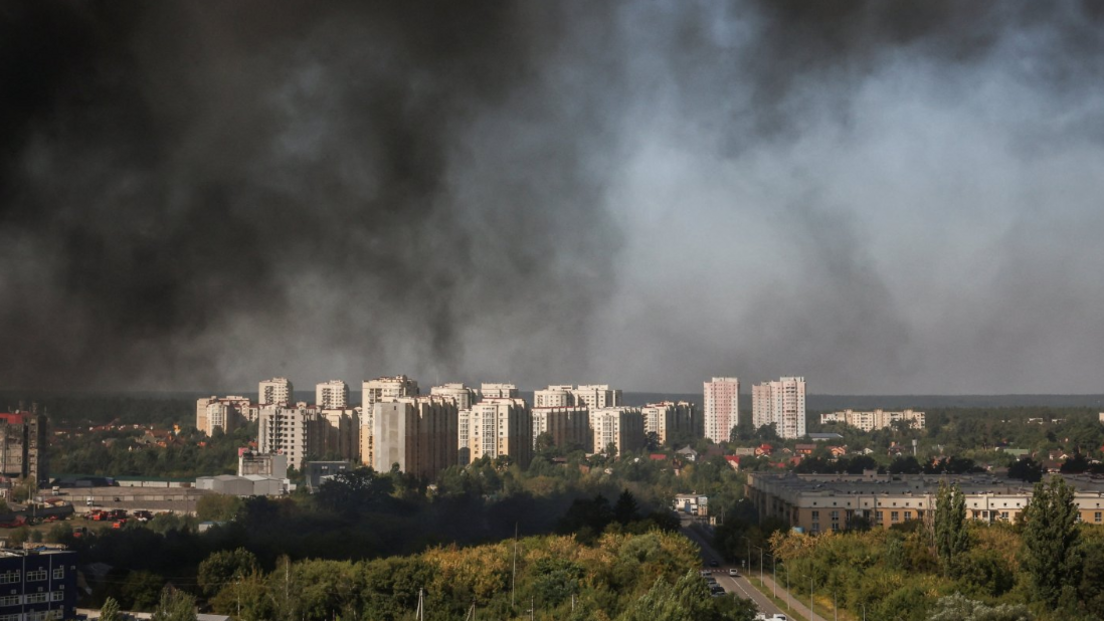
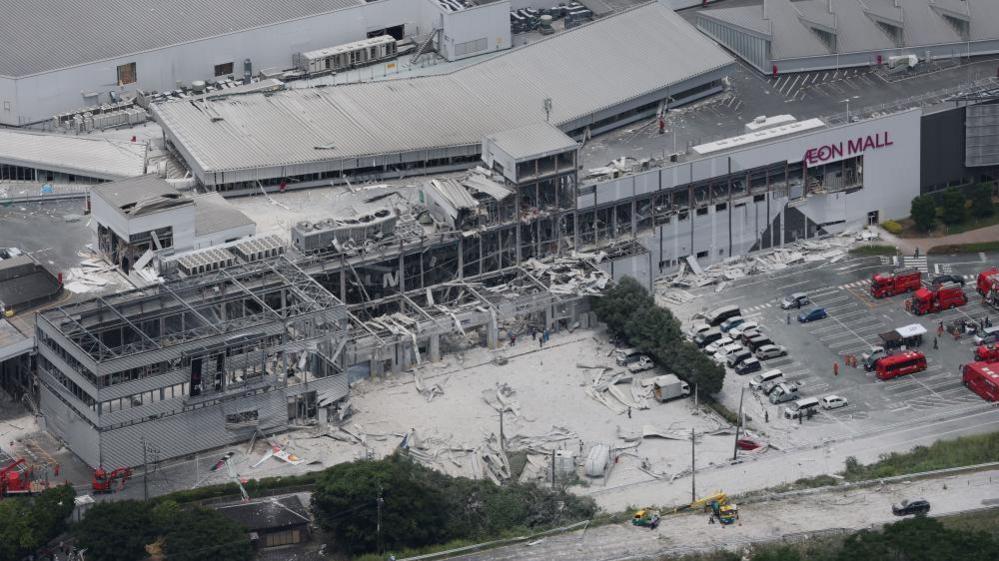
On the morning of July 29, a 7.1‑magnitude earthquake struck the southwestern island of Kyushu, Japan, causing immediate destruction and a tragic loss of life. Official figures show that 13 people have died, including three employees at the Aeon Mall in Kashima, where the building’s second floor collapsed and a subsequent explosion sent smoke into the sky.
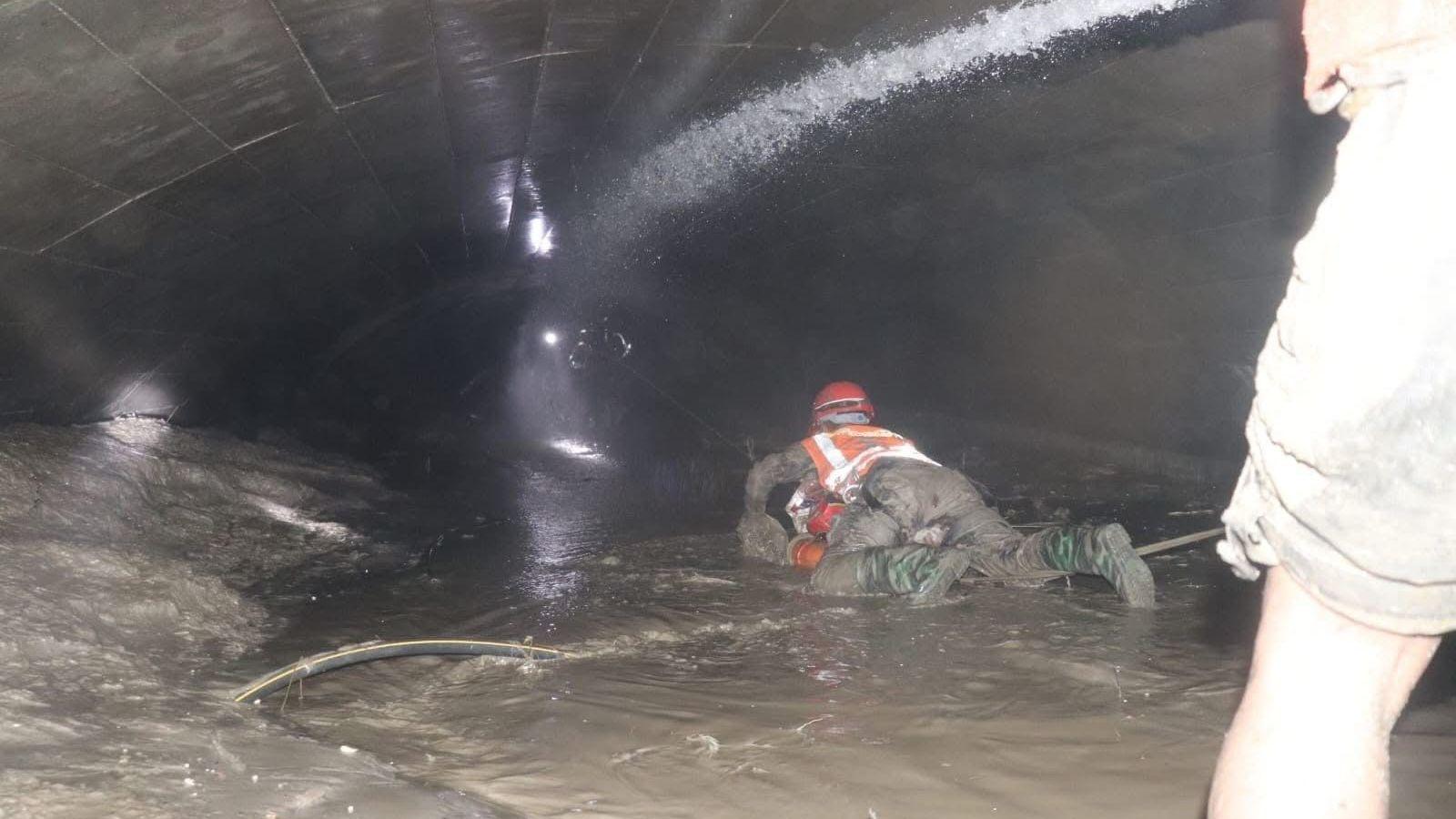
Rescue crews hastily combed through rubble at the Aeon Mall and a nearby paper factory, with survivors still being recovered from collapsed structures. Pilot commentators from Japanese Prime Minister Sanae Takaichi emphasized the urgency of rescue operations, calling the efforts a "race against time."
The Japan Meteorological Agency warned residents to brace for strong aftershocks—intensities up to magnitude 7—over the next week, with an estimated 4,600 personnel now assisting with emergency response, including efforts to keep cooling fans air for over 35 °C heat‑stressed teams on the ground.
Electricity was shut off for thousands of homes, and public transport was suspended as the quake damaged bridges and roads across the region. A factory in Yatsushiro City reported two deaths and nine missing workers, further highlighting the widespread impact.
The earthquake’s shallow epicenter was only 10 km down and about 20 km south of Kumamoto city, a depth that contributed to the intense shaking experienced by residents. The U.S. Geological Survey later confirmed a magnitude of 6.8; both agencies emphasize that aftershock intensity can change as new data are analyzed.
As the region confronts ongoing survival challenges, officials and relief crews emphasize the need for vigilance, preparedness, and support for those still trapped or otherwise affected by the disaster.
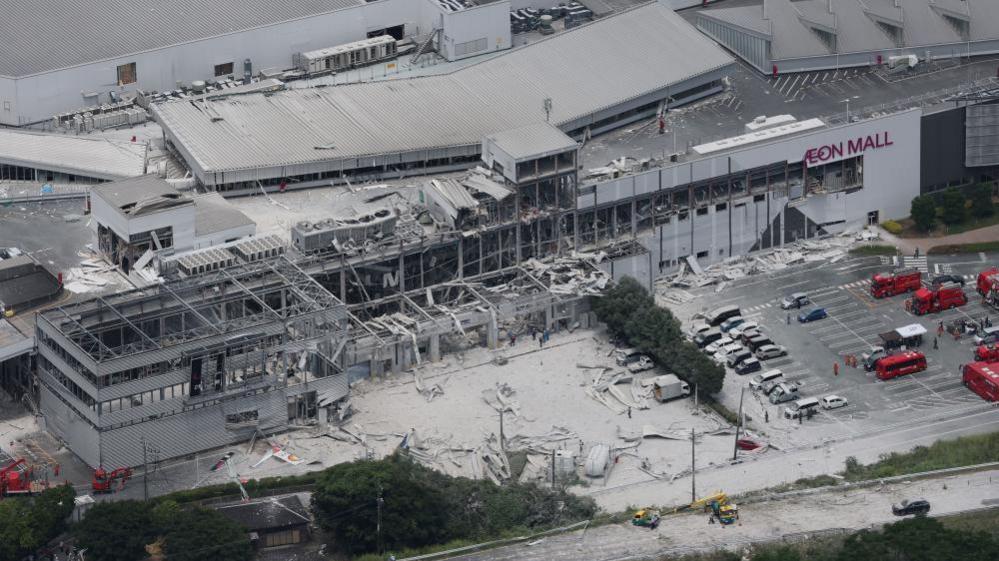
Three Aeon Mall employees remain unaccounted for; the mall’s president, Akio Yoshida, apologized for the tragedy.