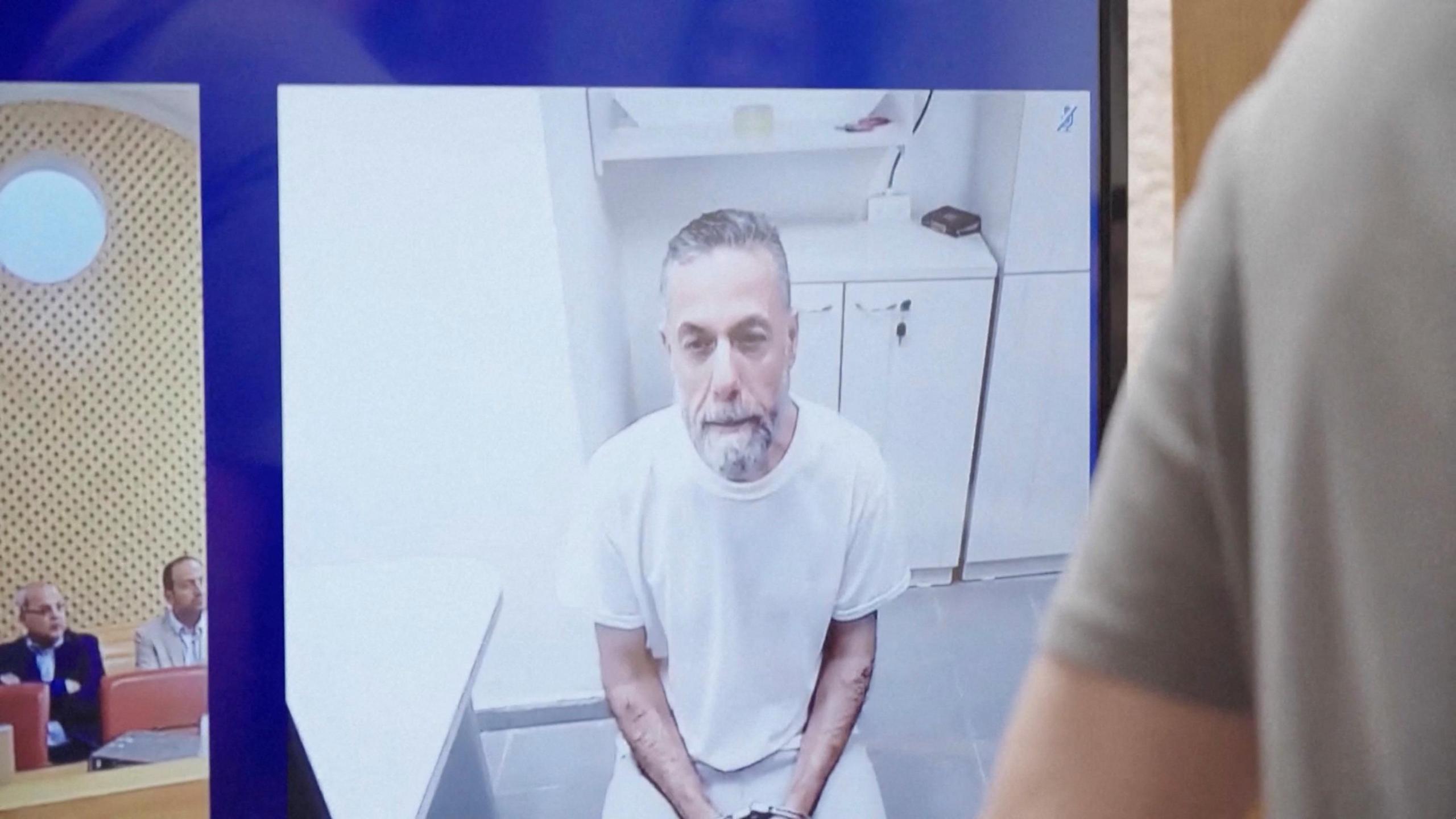
Lawyer claims Gaza doctor severely beaten in Israeli jail
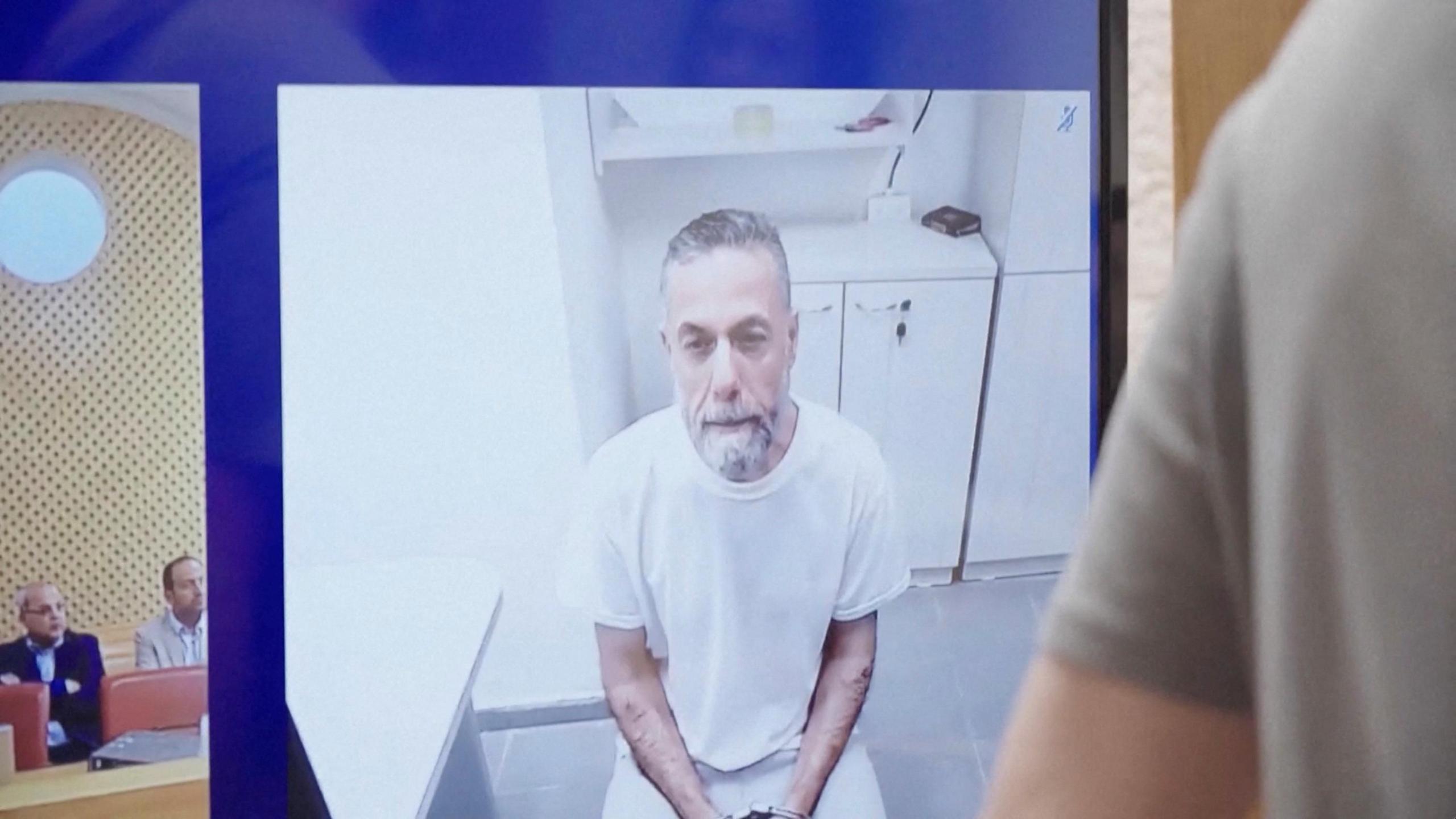
The lawyer for Dr. Hussam Abu Safiya, a prominent Gaza hospital chief, says his client was left with bruises that obscured his features after a violent interrogation in the Rakefet facility. During a visit last Thursday, Abdel Odi recounted that the doctor nearly lost consciousness multiple times and was in a state of exhaustion and difficulty breathing, according to the lawyer’s statement to the BBC.
Odeh told the BBC that Abu Safiya had been deprived of medical treatment and had been allegedly assaulted by five prison guards with hands, batons and hammers after a petition at the Supreme Court last month. He did not lose hope of seeing his client again and expressed his desire to have him released and treated medically.
The Israel Prison Service denied the allegations, calling them unfounded and stating that all prisoners receive medical care in accordance with ministry of health guidelines. The service also rejected claims of abuse, torture, starvation or denial of medical treatment.
Abu Safiya was detained in December 2024, when an Israeli military operation forced medical staff to leave the Kamal Adwan hospital. He was accused by the IDF of being a Hamas collaborator in the health department that served Hamas officials. Despite this claim, international groups, including the World Health Organization and the Lebanese medical community, have insisted that he and his colleagues cooperated only with humanitarian work.
A petition filed by the Israel-based human rights group Physicians for Human Rights Israel (PHRI) in April urged the Supreme Court to release Abu Safiya and 13 other Palestinian doctors held without charge. The United Nations Working Group on Arbitrary Detention adopted an opinion calling Israel’s detention of Abu Safiya arbitrary and urged his immediate release, noting that the case indicates a potential systematic practice of unlawful detentions.
Amnesty International and other organisations have condemned the conditions of Abu Safiya’s detention, describing them as truly horrifying. They demand that Israeli authorities provide urgent medical treatment and allow judicial scrutiny of his confinement.
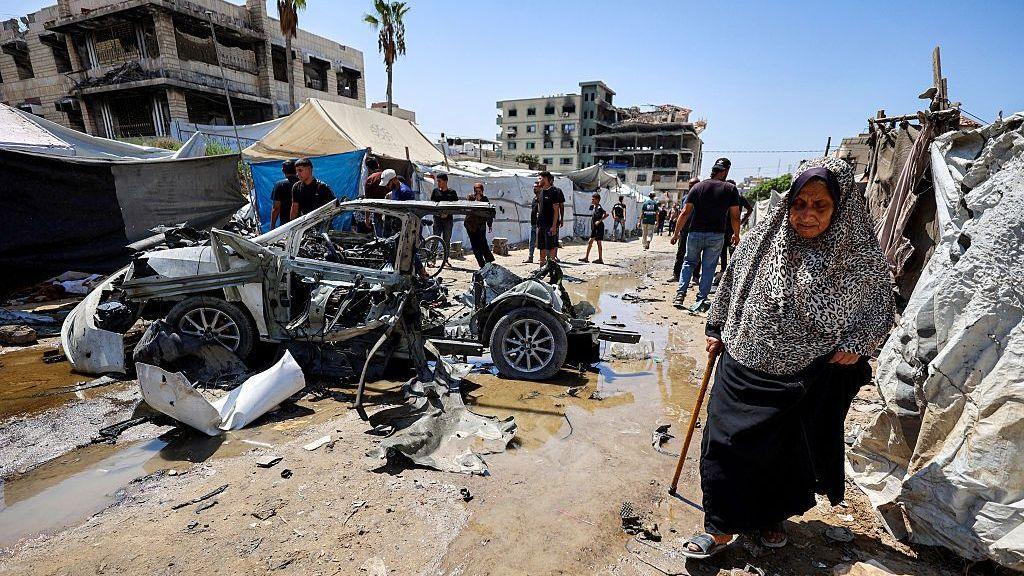
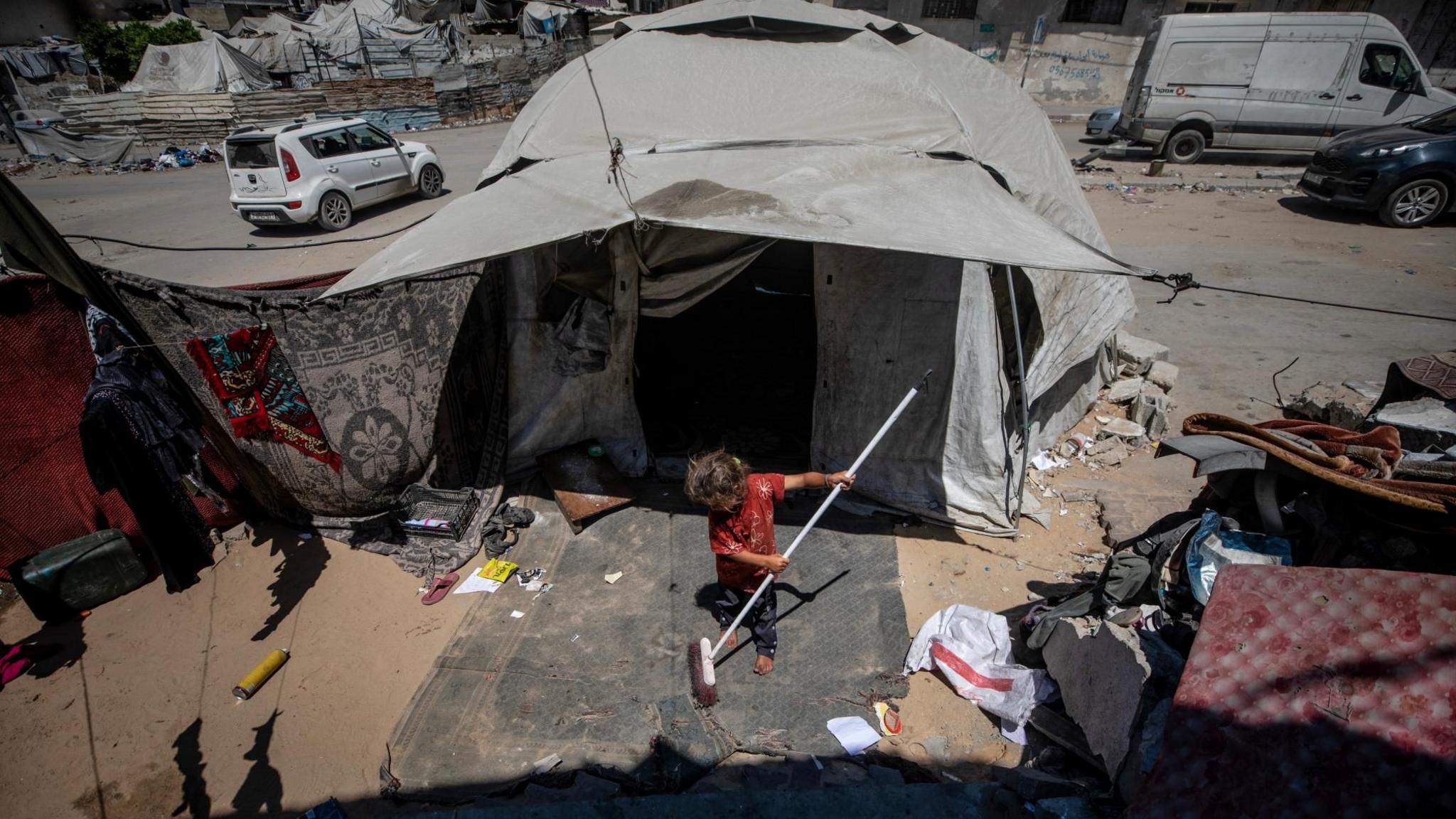
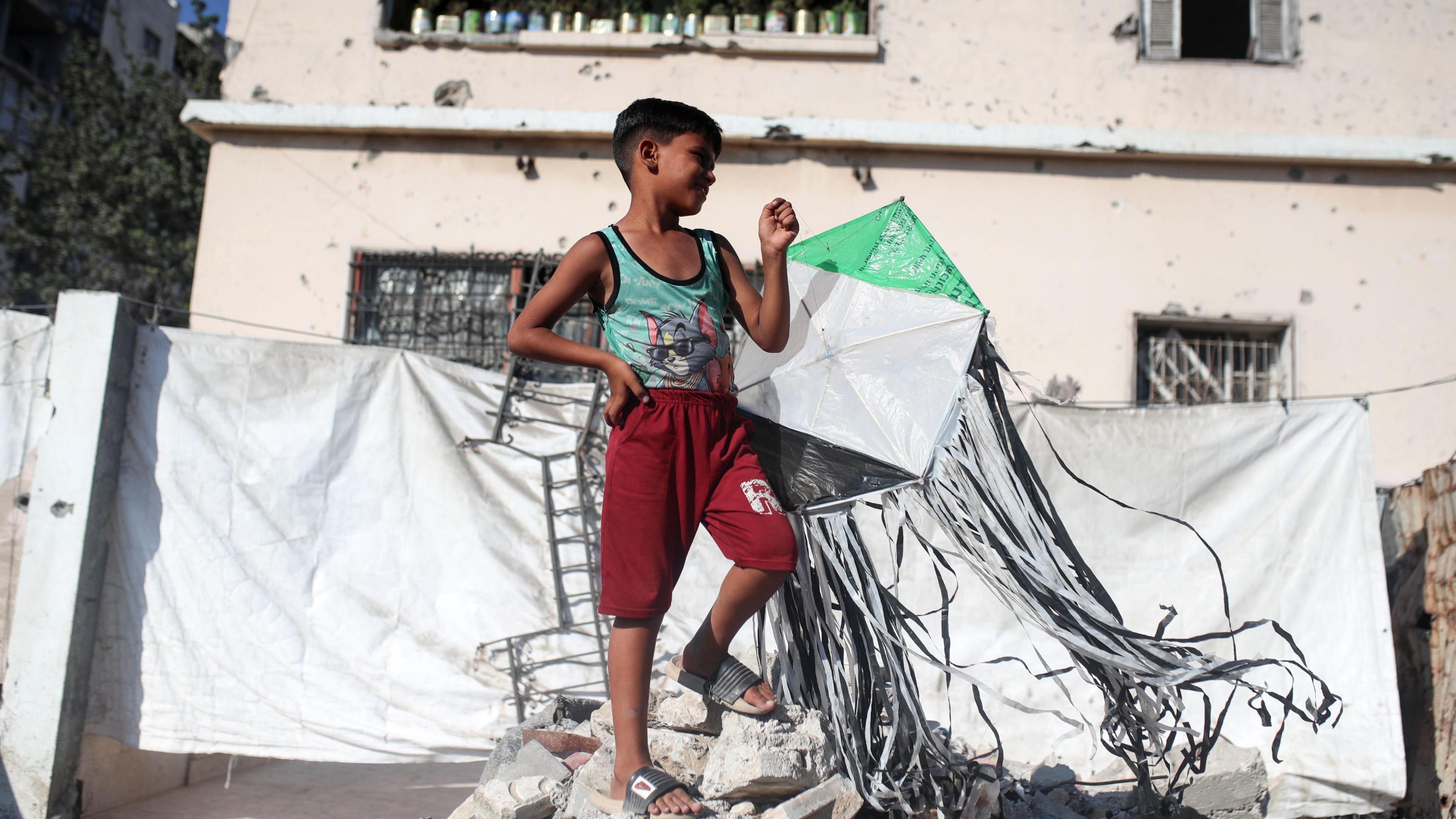
The case draws attention to the broader humanitarian crisis in Gaza, where hospitals have suffered attacks and the population remains under an intense siege. International law and humanitarian standards continue to be invoked in calls for the protection of medical professionals and civilian populations in conflict zones.