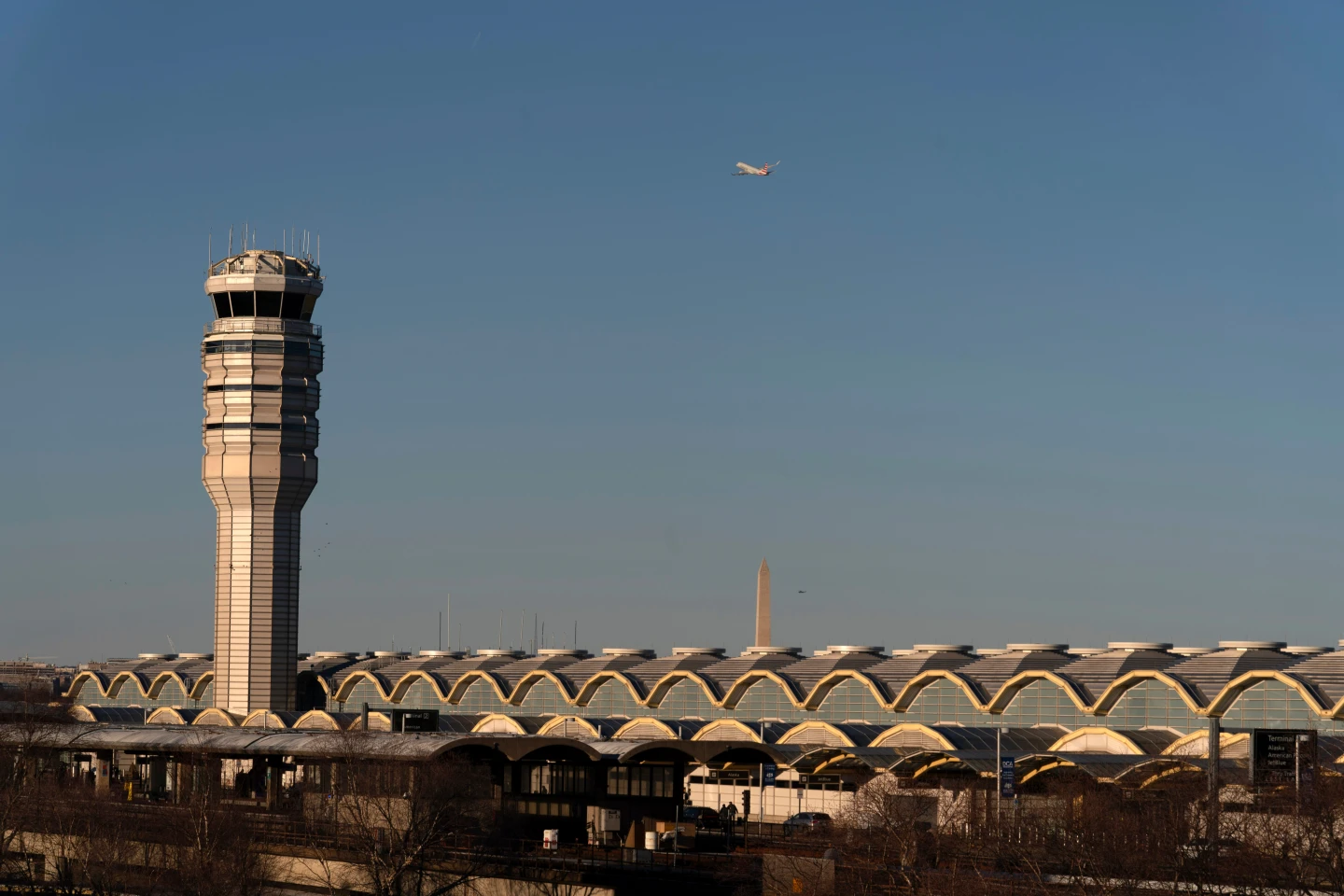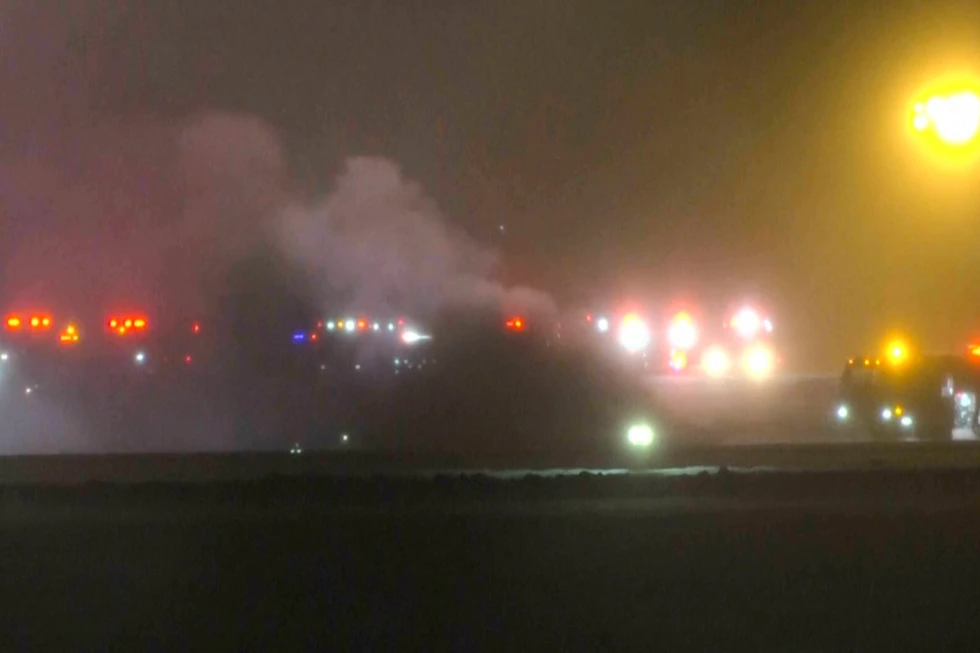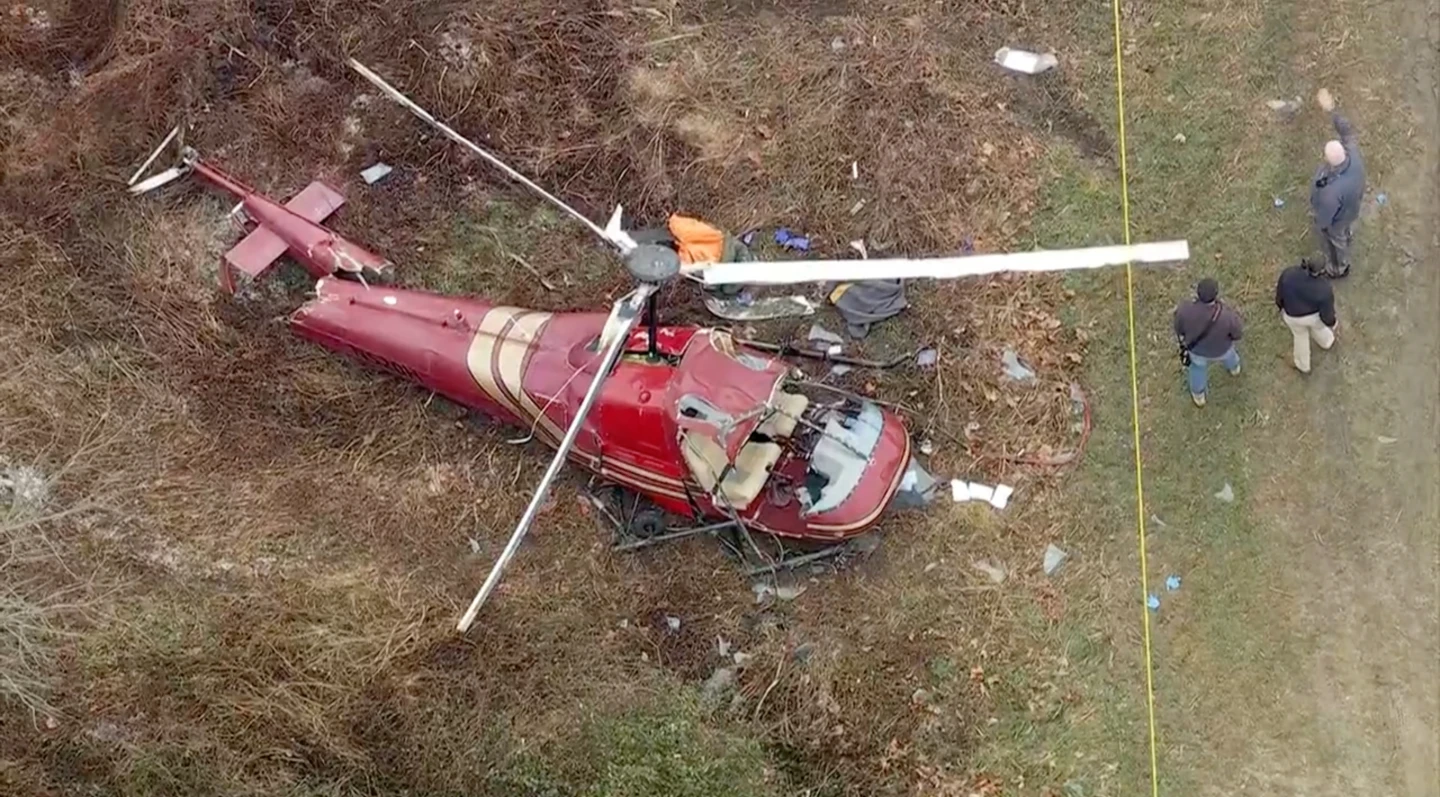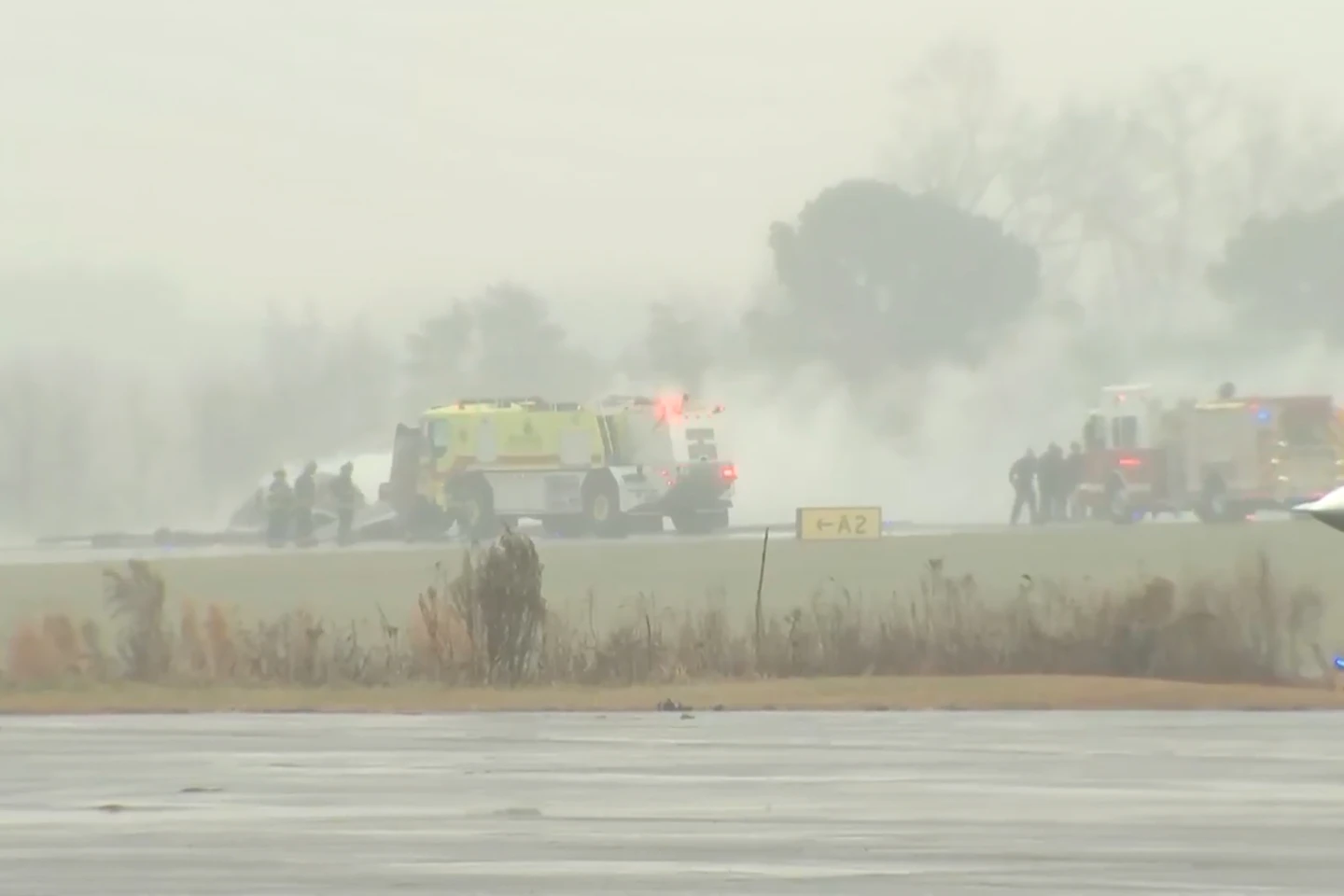
Key senators and the families of the 67 victims of an airliner collision with an Army helicopter near the nation’s capital believe that advanced aircraft locator systems, recommended by experts for nearly two decades, could have prevented the tragedy. However, uncertainty looms over whether Congress will pass a bill mandating these systems around busy airports.
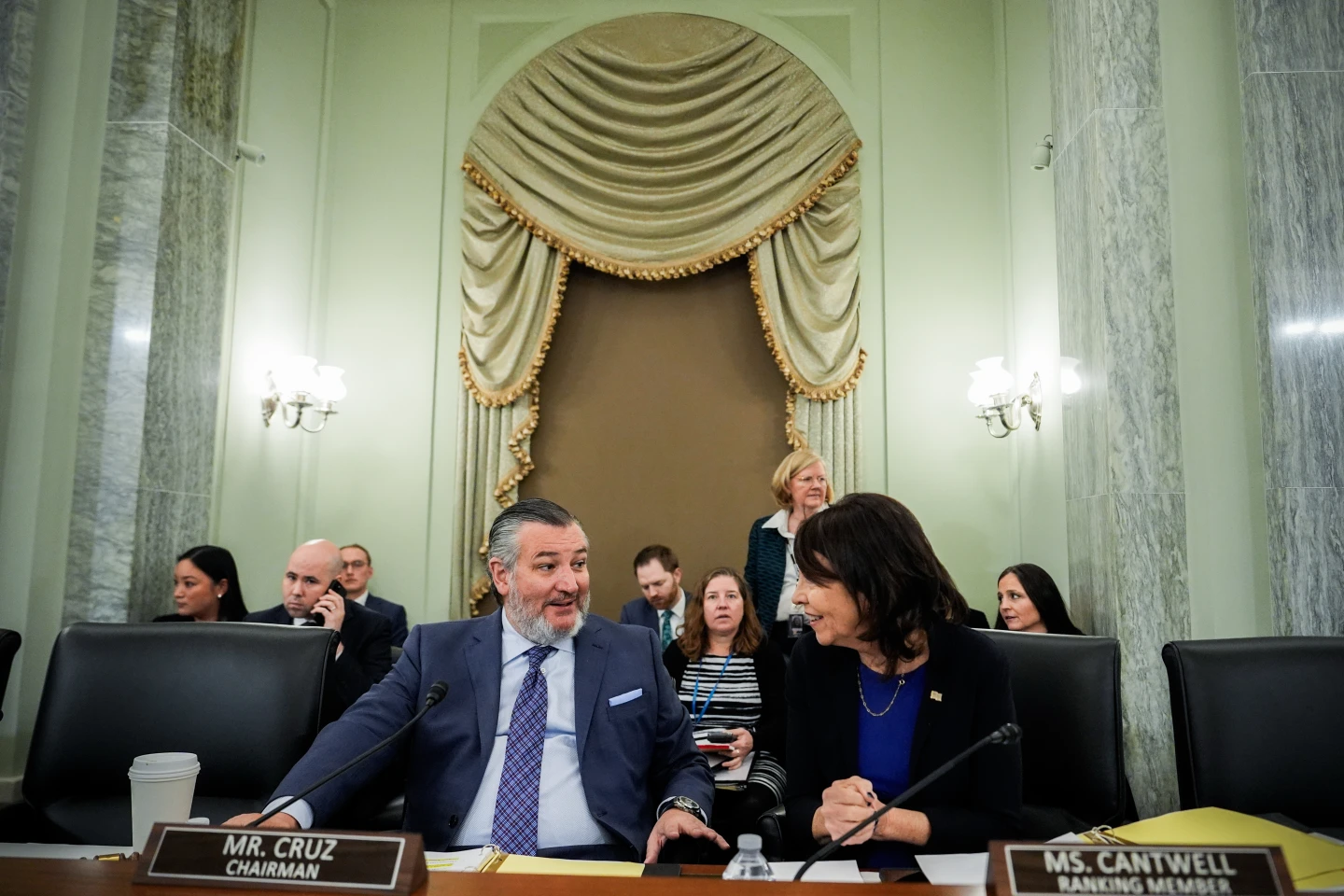
The Senate Commerce Committee is preparing for a hearing to discuss the National Transportation Safety Board's (NTSB) long-standing recommendations requiring all aircraft to be equipped with technology that not only broadcasts their location but also receives data on other aircraft's locations. Currently, only the broadcasting system is mandatory.
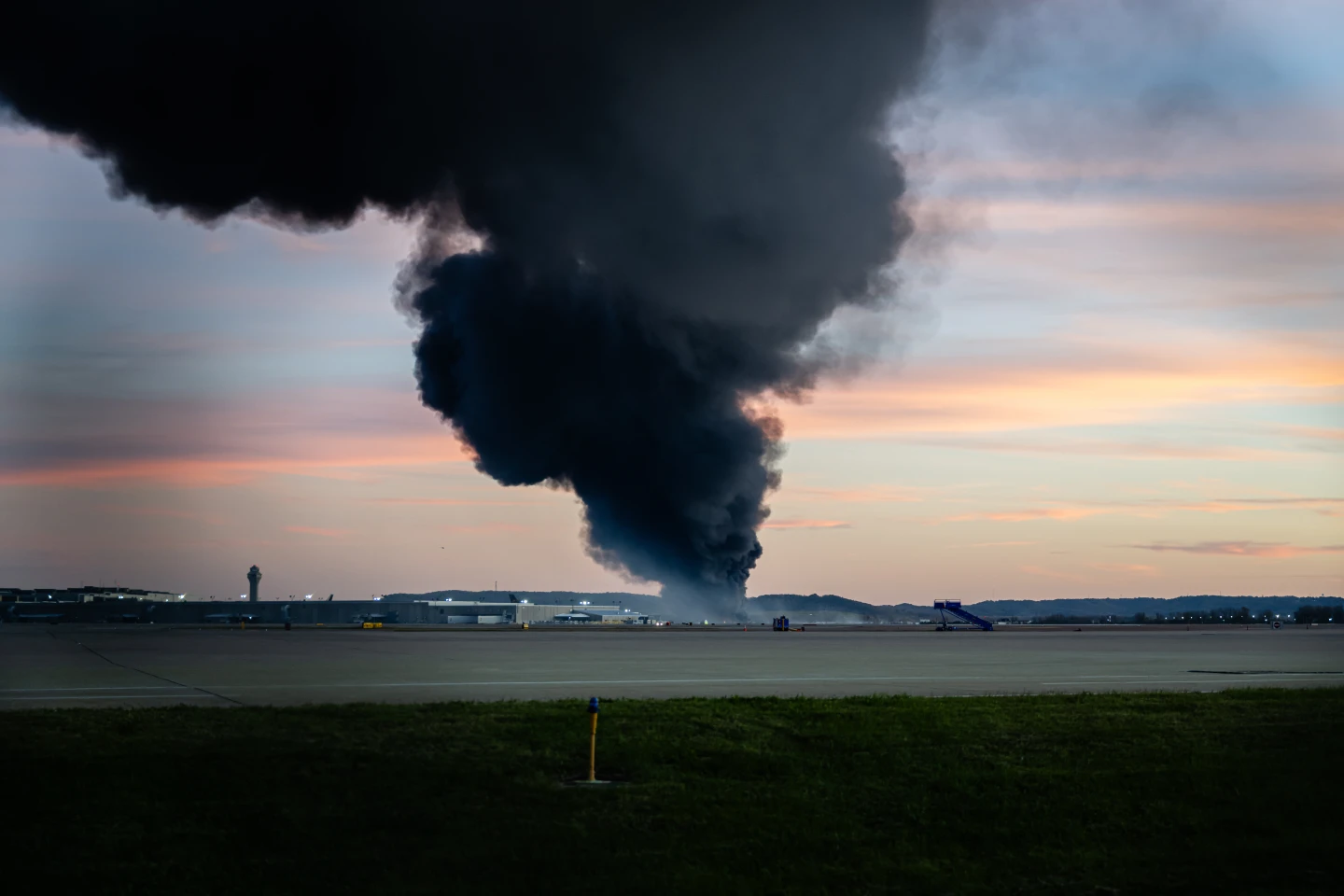
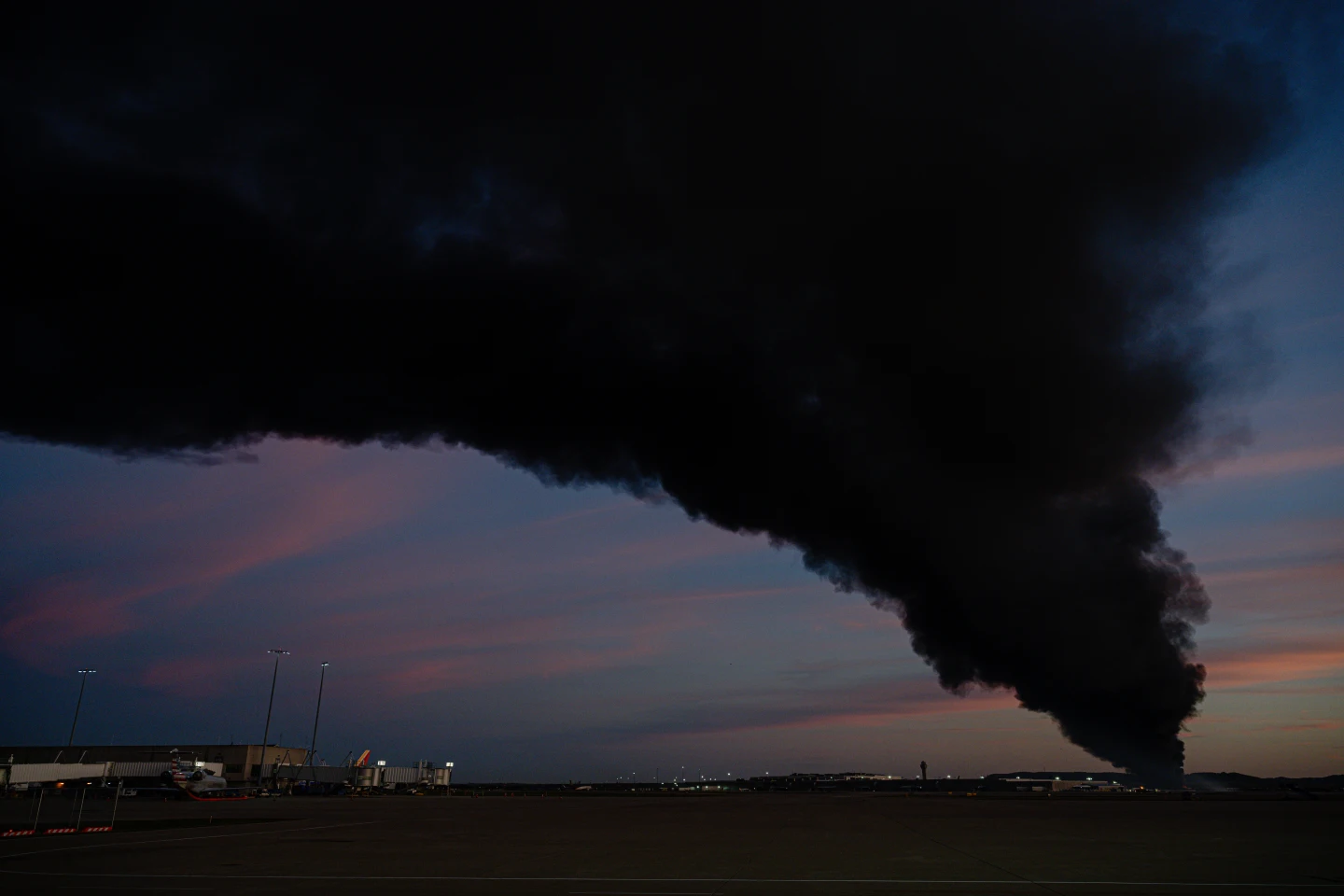
Everyone aboard the helicopter and the American Airlines jet, which was en route from Wichita, Kansas, tragically lost their lives when the two aircraft collided and fell into the icy Potomac River. Among the deceased were 28 members of the figure skating community.
While the entire Senate has unanimously approved a bill to require the installation of these locator systems, House committee leaders prefer to create a comprehensive bill that addresses all NTSB recommendations rather than immediately passing the ROTOR Act.
Current regulations mandate the ADS-B out systems, which continuously broadcast an aircraft’s location and speed. However, the receiving ADS-B in systems that present nearby aircraft information to pilots are not yet standard.
Victims' families and legislators argue that had the American Airlines jet been equipped with ADS-B in systems, the flight crew may have had substantially more time—nearly a minute's warning—before a collision. As it occurred, the pilots only received a 19-second warning through existing systems, which failed to indicate the approaching helicopter's location accurately.
Preventable Tragedy
Critics state that these locator systems could mitigate the systemic issues identified by the NTSB regarding the disaster, hence their strong advocacy from NTSB Chairwoman Jennifer Homendy and Transportation Secretary Sean Duffy. Tragedy survivor Amy Hunter lamented, “This seems like a no-brainer, especially when this is not a new thing that they’re proposing.”
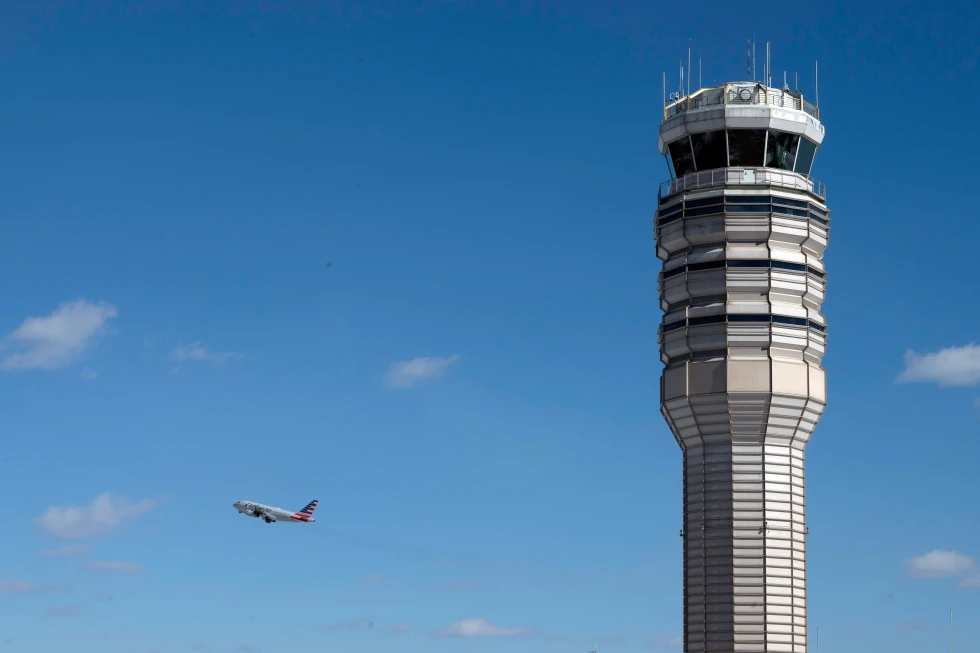
Following the accident, the FAA took steps, including prohibiting helicopters from flying along the routes where planes land at Reagan National Airport. The crash anniversary and NTSB hearings have only intensified the grief for the victims' families, particularly for Hunter, who reflects on her young family members’ shattered Olympic dreams.
Cost Concerns Challenge Implementation
Cost remains a significant barrier to the widespread adoption of these safety technologies. Upgrading regional airline fleets can reach prices into the hundreds of thousands, which poses a challenging expense for smaller operators. Older aircraft typically lack these systems, while many newer planes might already have basic broadcasting capabilities.
Interestingly, about three-quarters of pilots of smaller aircraft, including Cessnas and Bonanzas, currently use portable devices that can access this location information affordably. Pilot Tim Lilley expressed his belief that had the locator systems been functional, many lives could have been saved, emphasizing that “67 lives would still be here today.”