In brief
The recent Christmas market attack in Magdeburg, where five were killed, has sparked a wave of political finger-pointing as authorities face scrutiny over security lapses.
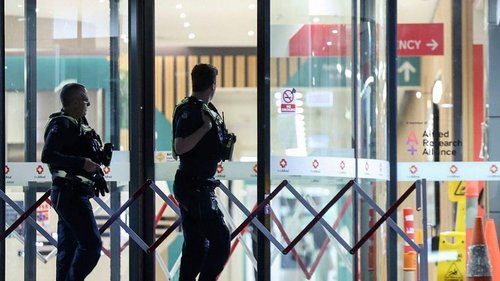
Days after a tragic attack at a Christmas market in Magdeburg, Germany, where five lives were lost and over 200 were injured, the initial calls for unity have quickly morphed into a contentious brawl among political factions. The alleged assailant, a 50-year-old Saudi refugee and doctor, has reignited the heated debate surrounding immigration policies and national security. As authorities took the man into custody, questions started to arise concerning the government’s failure to act on prior warnings about his erratic behavior. This scrutiny has intensified in light of the imminent snap elections scheduled for February, following Chancellor Olaf Scholz's recent loss of a confidence vote.The hard-right Alternative for Germany (AfD) party prompted demonstrations in Magdeburg, framing the event as a tribute to the victims while simultaneously using it to embolden their political agenda. Party leader Alice Weidel articulated a strong anti-immigration stance by stating, "Magdeburg would not have been possible without uncontrolled immigration," threatening to leverage the tragedy for electoral gain.Criticism has flooded in from various sectors, including notable figures such as Elon Musk, urging for better governance in response to the attacks. As the campaign for the upcoming elections heats up, the focus may shift from grieving to political positioning, highlighting deeply entrenched divides among lawmakers. This incident not only deepens the discussion on public safety but also raises pressing questions regarding immigration policies and governmental accountability, leaving a somber cloud over the festive season.